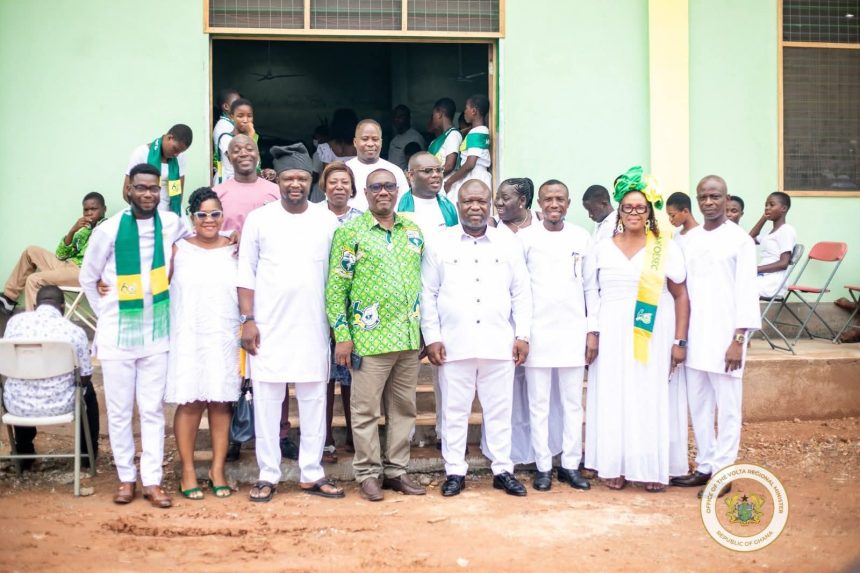
Mr James Gunu, the Volta Regional Minister, has announced plans to construct a two-storey girls’ dormitory and a 10,000-litre water system for Anfoega Senior High School (ANFOESEC) as part of activities marking the school’s 60th anniversary.
He disclosed that sod would be cut for the dormitory project after Easter, following which construction would commence to help ease accommodation challenges faced by female students.
Mr Gunu announced the school’s Excellence Awards and Thanksgiving Service held on Sunday at the school in the North Dayi District of the Volta Region, on the theme: “Victory through Suffering and Endurance.”
He said the projects formed part of ongoing efforts to improve infrastructure and enhance teaching and learning in the region.
The Minister explained that the 10,000-litre water system, to be constructed under his “Water for All Initiative,” would be powered by both solar energy and the national electricity grid to ensure a reliable water supply on campus.
Mr Gunu noted that several infrastructure projects across the Volta Region, including classroom blocks, staff bungalows, and ICT centres, had been initiated to address longstanding challenges in the education sector, some of which had stalled in previous years.
He reaffirmed the Government’s commitment to completing abandoned projects, indicating that ongoing works at ANFOESEC, including an administration block, would soon be completed to improve academic administration.
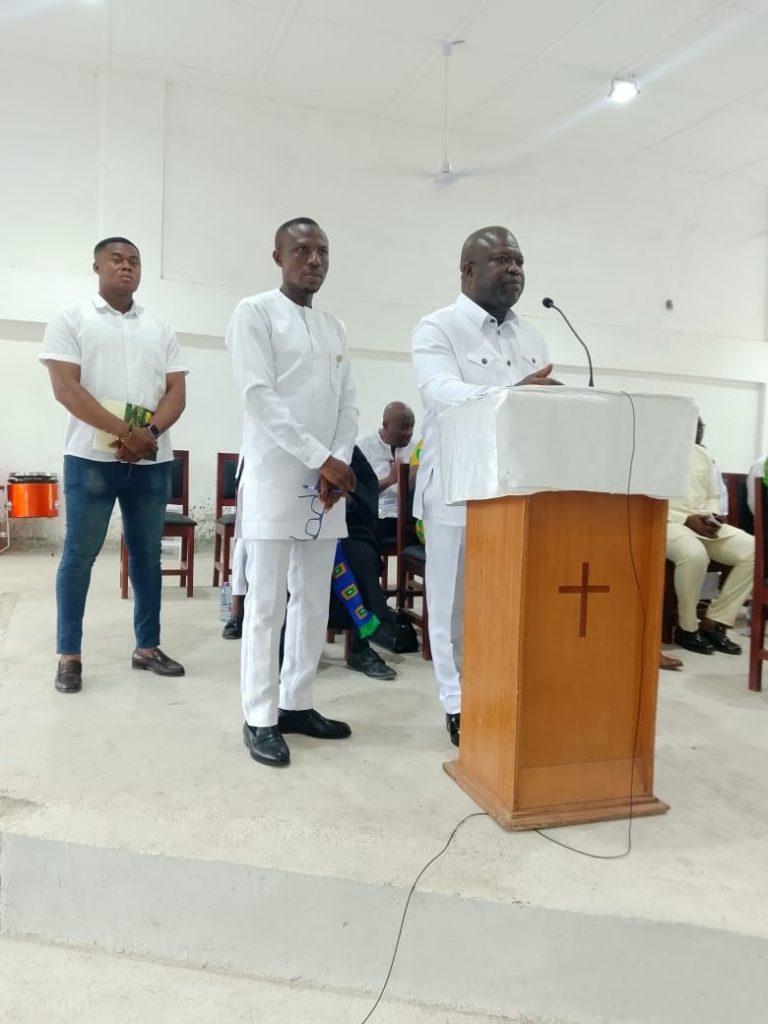
Mr Gunu commended key stakeholders, including the Member of Parliament, Ms Joycelyn Tetteh, the District Chief Executive, and other partners, for their continued support towards the development of the school.
He also made a personal donation of GH¢10,000 towards the school’s development and expressed optimism that, in the next 60 years, ANFOESEC would grow into a model institution comparable to a university among senior high schools.
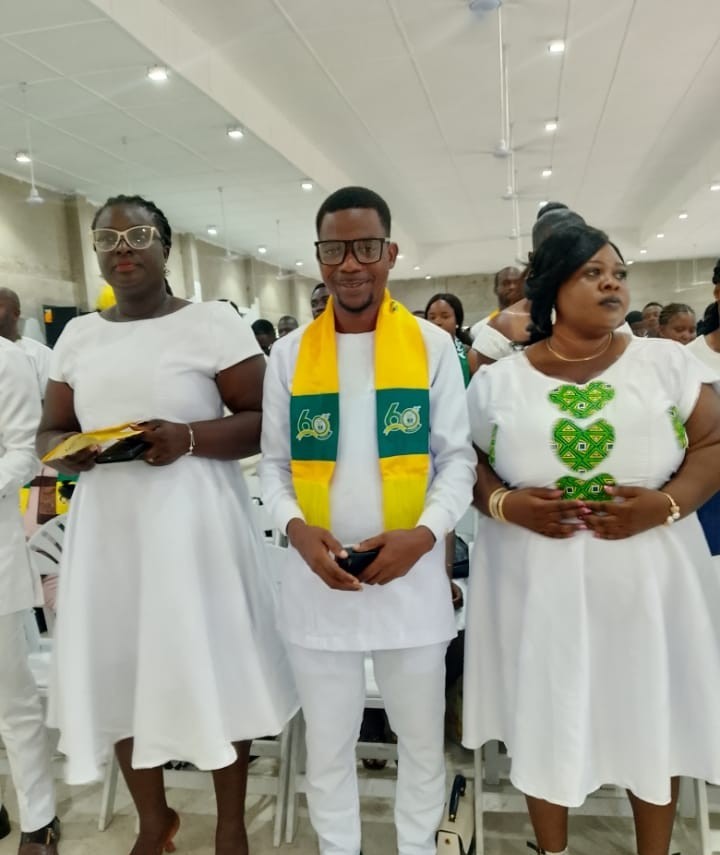
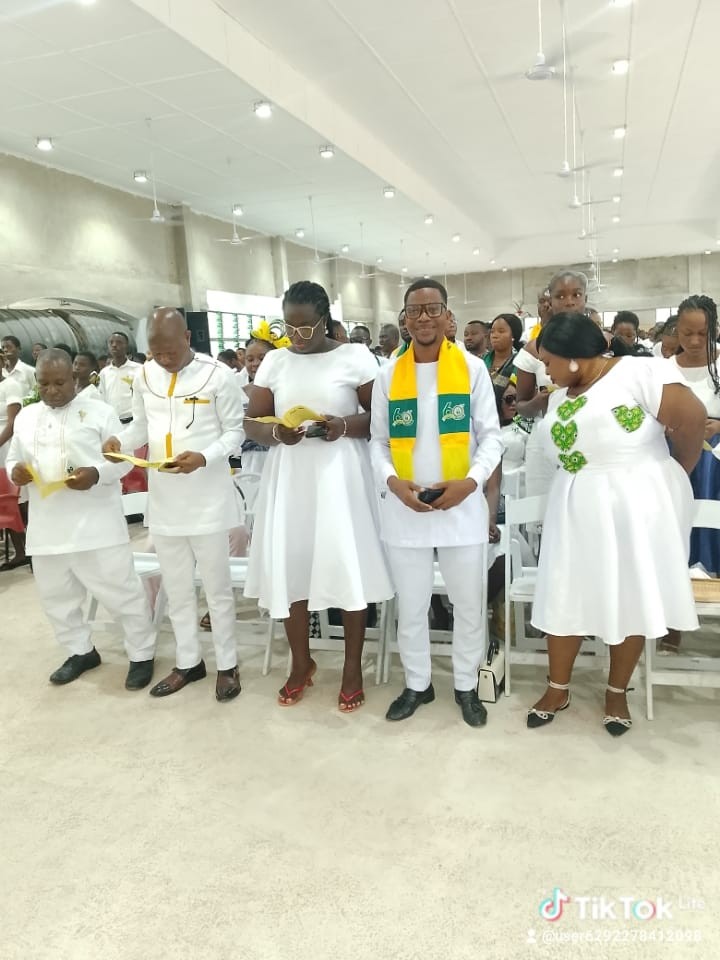
The event formed part of the school’s Diamond Jubilee celebrations, bringing together students, staff, alumni, and dignitaries to honour excellence and reflect on the institution’s journey over the past six decades.