With the knockout stage about to start at the 2025 Africa Cup of Nations (Afcon), the big boys have had it all their own way so far.
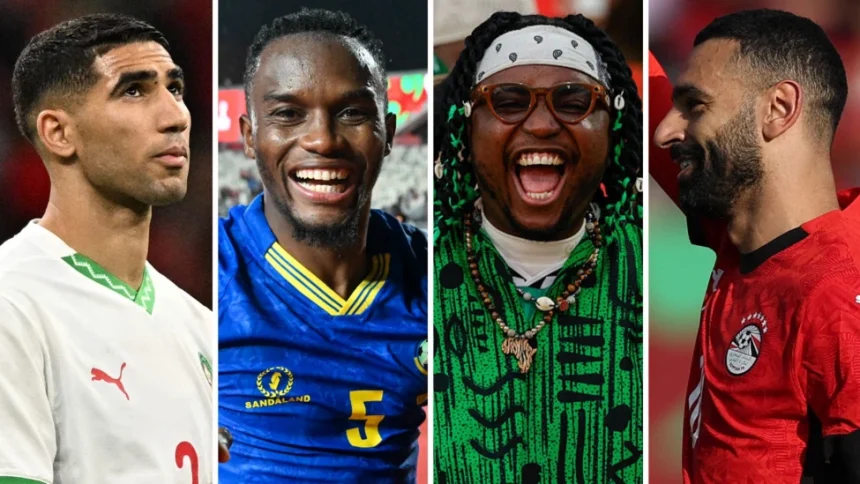
Algeria and Nigeria were the two nations to win all three of their games, Mohamed Salah’s goals earned Egypt comfortable passage with seven points, while Achraf Hakimi eased himself back into action as hosts Morocco also went unbeaten.
But there are several teams looking to cause upsets in the last 16.
With more drama sure to be on the way, here are some of the key talking points so far from the 35th edition of the tournament.
Favourites avoiding upsets – for now
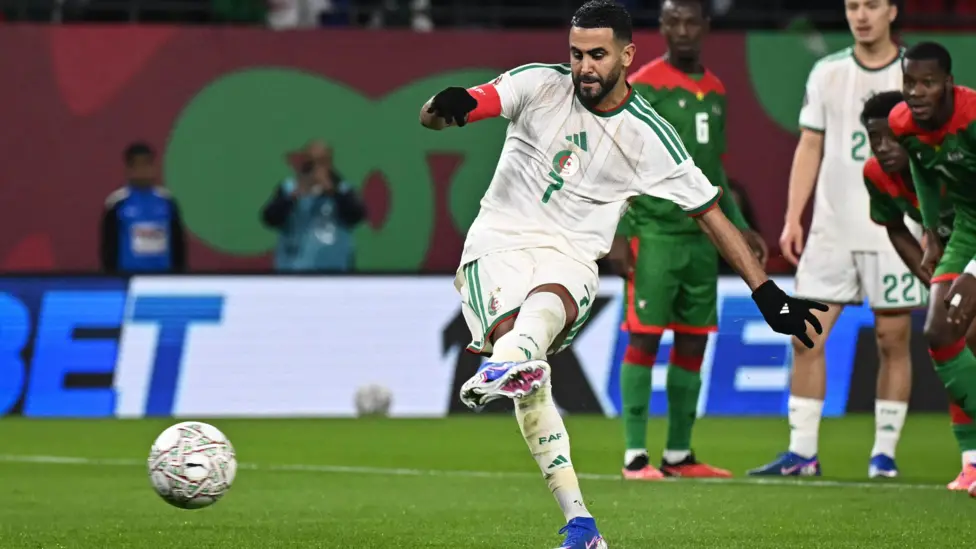
While Algeria, Tunisia and Ghana failed to make it out of their group two years ago, all of the top 12-ranked sides have progressed with little fuss this time.
Along with Algeria – whose captain Riyad Mahrez has found the net three times to lead the goalscoring charts – Morocco, Egypt, Nigeria, Senegal and Ivory Coast were the other group winners.
When a surprise arrived, Mozambique made it a memorable one.
In their 17th match at an Afcon finals, the team ranked 102nd in the world ended their wait for a win by deservedly beating Gabon to advance.
The Gabonese government’s response to losing all three group games was to sack their entire coaching staff, suspend the players and ban forward Pierre-Emerick Aubameyang.
Sudan, the second-lowest ranked team at the finals after Mozambique, reached the tournament despite playing all their qualifiers overseas because of the civil war in their homeland. Against that backdrop, the Falcons of Jediane are in the second round for just the second time since they were champions in 1970 thanks to their win against Equatorial Guinea.
Cheetahs and Taifa Stars make history
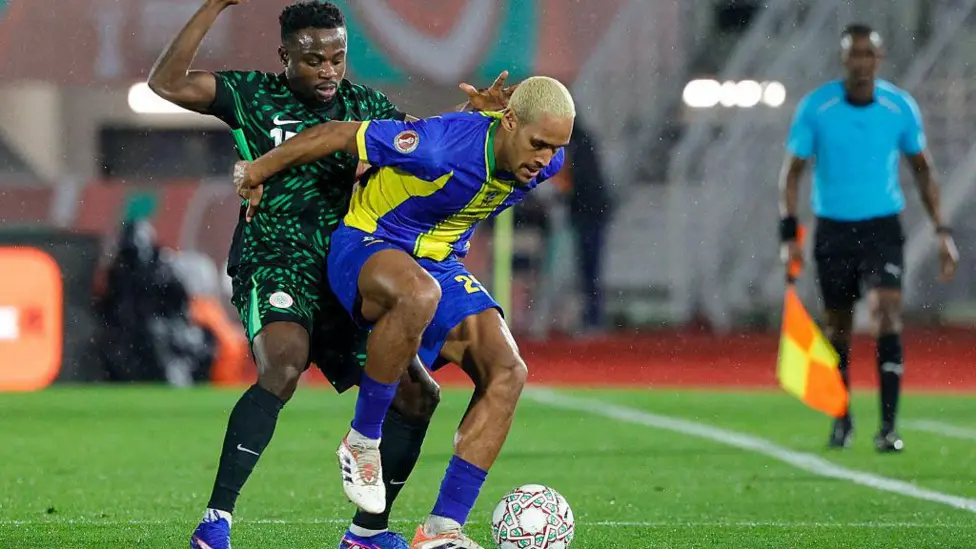
Mozambique are not the only nation to make the knockout stage for the first time.
Tanzania, still winless in 12 matches at the finals since their debut in 1980, face Morocco in Rabat after progressing despite only collecting two points.
No third-placed finisher had previously gone through with fewer than three points since Afcon expanded to a 24-team format in 2019, and the Taifa Stars achieved the feat with a draw against a Tunisia team 71 places above them in the rankings.
Featuring at the finals for a fifth time, Benin have made it through before, having famously beaten Morocco on penalties in the last 16 in 2019.
But at this tournament the Cheetahs finally ended a 15-match wait for a maiden Afcon win inside regular time.
Their reward is a tie against another North African side, as they face Egypt in Agadir.
Has Salah found his scoring boots?
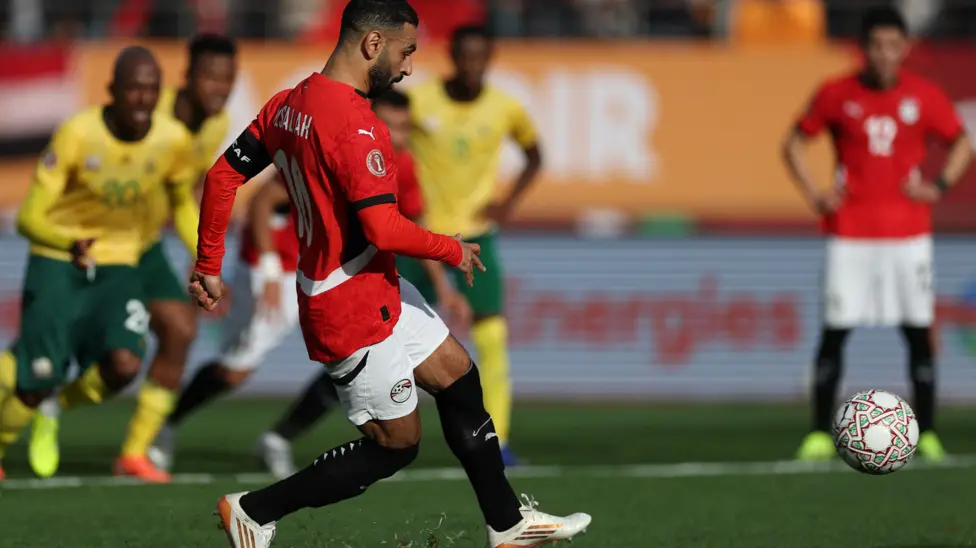
With two goals in the group stage, Egypt’s Salah has already matched his best ever Afcon tally – despite both he and Manchester City forward Omar Marmoush being rested for Monday’s 0-0 draw with Angola.
Without hitting his best level, Salah’s goals have been crucial, notching a clinical 91st-minute winner against Zimbabwe and converting a penalty on the stroke of half-time before The Pharaohs held on with 10 players for their victory over South Africa.
After a troubled start to the season with Liverpool, the four-time Premier League top scorer is aiming to enhance a record of two goals and one assists in eight knockout-stage appearances.
How fit is Hakimi?
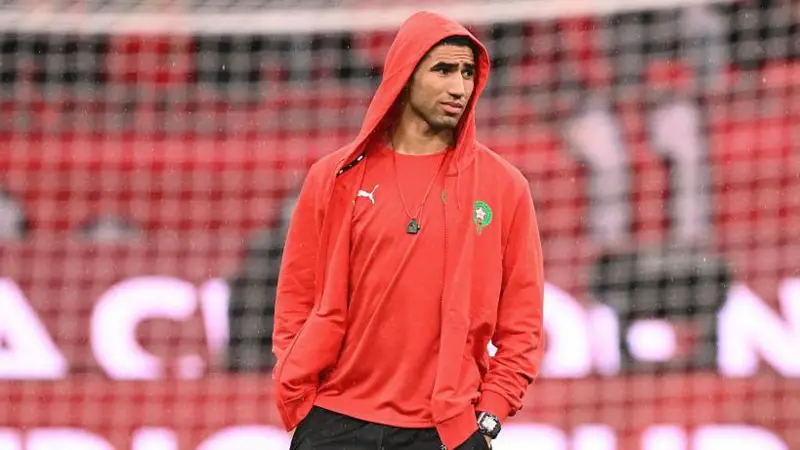
Full-back Hakimi played for the first time in almost two months as a second-half substitute in Morocco’s closing win over Zambia, but questions linger over whether the reigning African Footballer of the Year is ready to start games.
While Walid Regragui has not played down the immense quality a fully-fit Hakimi brings to his team, the coach also acknowledged the demands his tactics place on wide players, suggesting uncertainty over his captain’s ability to meet that intensity as he continues his return from an ankle problem.
Regragui thanked club side Paris St-Germain for allowing Hakimi to join Morocco well in advance and placing trust in his medical team, as well as praising Manchester United’s Noussair Mazraoui and Pyramids’ Mohamed Chibi for filling in at right-back.
Hakimi remains hugely influential behind the scenes, but can he make an impact on the pitch against Tanzania?
Who are the dark horses?
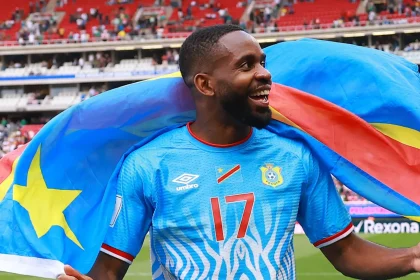
Having beaten Nigeria and Cameroon in November’s African World Cup play-offs, DR Congo held Afcon 2021 champions Senegal 1-1 in Group D, but are in the tougher-looking part of the draw and take on Algeria first.
Tunisia coach Sami Trabelsi is hoping to repeat his run to the 1996 final as a player, having avoided a repeat of the group-stage exit that led to his resignation as coach in 2013. His team have played in fits and starts so far, swatting aside Uganda, launching a dramatic but ultimately unsuccessful late comeback against Nigeria and drawing with Tanzania.
New Cameroon boss David Pagou can call upon ample firepower, with Manchester United’s Bryan Mbeumo setting up Karl Etta Eyong’s opening goal of their campaign and 19-year-old newcomer Christian Kofane hitting a sublime winner against Mozambique.
Mali coach Tom Saintfiet has warned his unbeaten players they need to improve significantly, but the Eagles earned one of their three draws by becoming the first team to avoid defeat against Morocco in 21 months, helped by Lassine Sinayoko continuing his run of five goals in the forward’s past eight Afcon games.
The wettest Afcon ever?
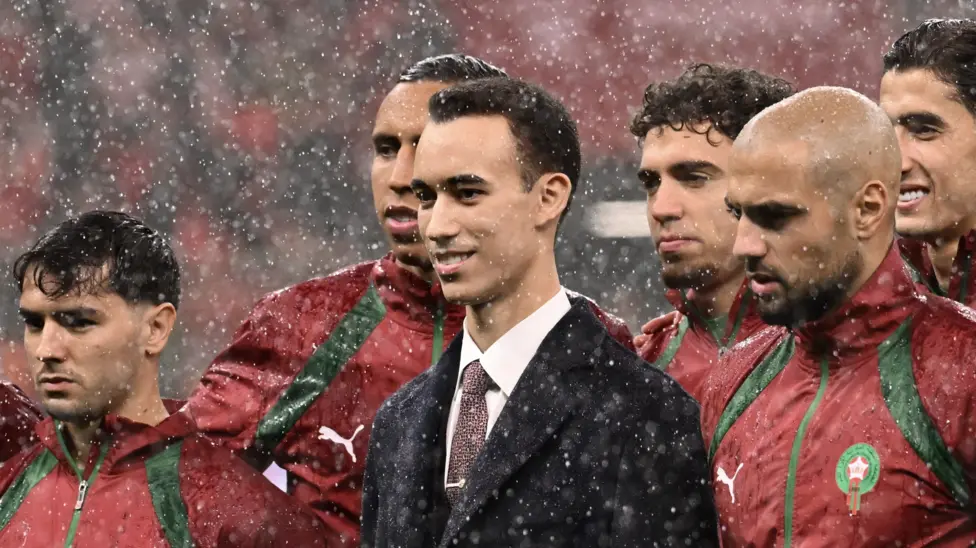
Before every tournament, organisers always tell fans and media to expect “the best Afcon ever”.
While the jury remains out on that for now, Morocco 2025 is certainly making a strong case for being the wettest Afcon ever.
TV cameras have regularly picked up players’ shirts sticking to their skin in torrential downpours during a cold and rainy period in Morocco – in stark contrast to the tropical conditions that have often tested players at past tournaments.
Having enjoyed a short respite, the rain is forecast to return for all four days on which the last 16 ties will be played, testing the resolve of fans.
Stadiums have so far been far from full for matches not involving the hosts, but the quality of the facilities has been impressive, including the pitches which have soaked up the rain without a problem.
And while you cannot exactly call this Afcon a dry run, Morocco’s huge investment in renovating and building stadiums in preparation for co-hosting the 2030 Fifa World Cup alongside Spain and Portugal has definitely paid early dividends.