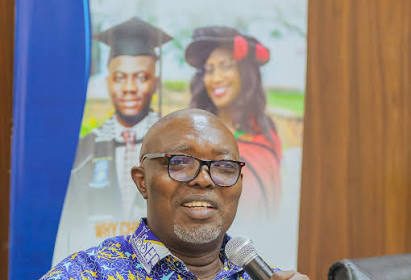

Mr Mahama Ayariga, Minister of Local Government, Chieftaincy and Religious Affairs, has called for collective action to address Ghana’s sanitation and environmental challenges.
He said poor sanitation affected all citizens regardless of political affiliation and should therefore not be treated as a partisan political issue.
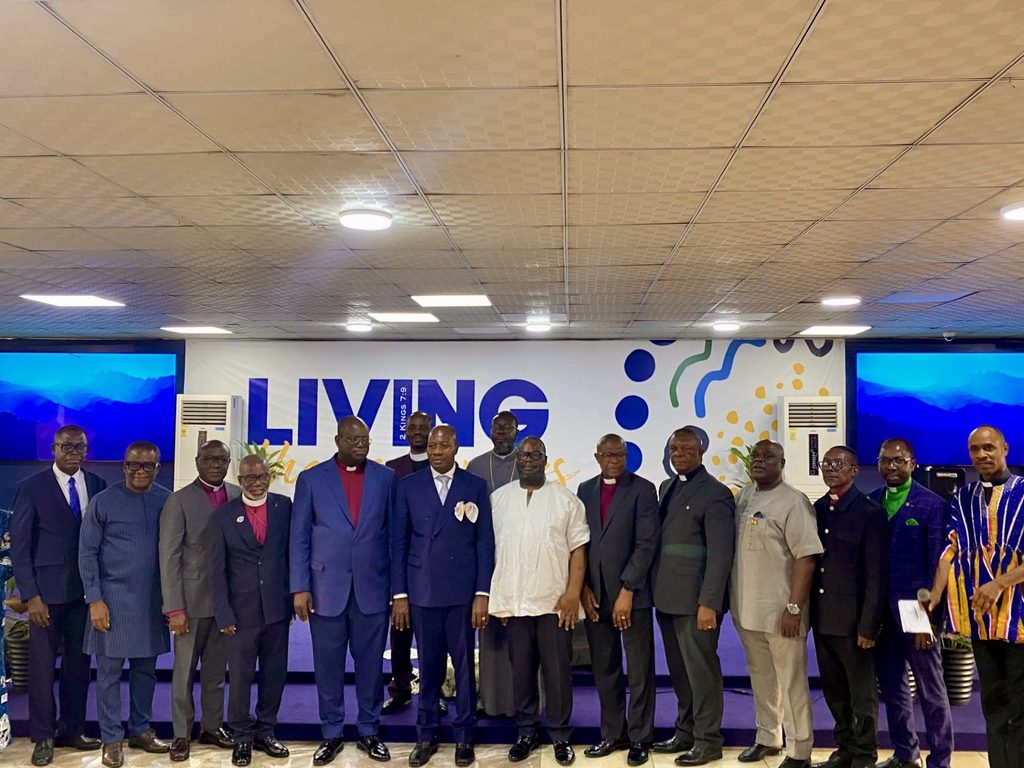
Mr Ayariga made the call on Friday at the launch of the Second Ecumenical Convention of the Christian Council of Ghana (CCG) in Accra, on the theme: “United in Christ, Transforming Society through Creation Care.”
He said the sanitation situation required concerted efforts by the government, political parties, religious bodies, communities, businesses and individuals.
The Minister said sanitation must also be addressed through responsible individual behaviour.
He urged citizens not to throw sachet-water waste into drains or out of public transport, called on shopkeepers to take responsibility for the pavements around their businesses and encouraged parents to teach children to respect and care for the environment.
Mr Ayariga said poor sanitation had serious consequences, including disease, rodents, blocked drains, loss of lives and additional costs to the State, while dirty surroundings could also discourage investment.
He called on churches to use their influence to promote responsible environmental behaviour among their congregations and communities.
The Minister said the CCG could help mobilise young people for environmental protection and climate action, while working with the government, private sector, civil society and development partners on sanitation, afforestation, waste management and renewable energy.
Rt. Rev. Dr Abraham Nana Opare Kwakye, Vice Chairman of the CCG, said the Church had a responsibility to be an agent of transformation rather than limiting its role to worship.
He said Christianity arrived in Ghana as a divided Church, but denominations had worked together over the years to serve the country and strengthen unity.
Rt. Rev. Dr Opare Kwakye said the convention’s theme provided an opportunity for Christians to reflect on how their unity in Christ could translate into practical action for society.
Citing Psalm 24:1, he said the earth belonged to God and Christians were stewards of His creation.
Rt. Rev. Dr Opare Kwakye said the concept of dominion over God’s creation mentioned in the Bible should not be interpreted as permission to exploit the environment but as a responsibility to care for it.
He said Ghana continued to face filth, open defecation, environmental degradation and the destruction and pollution of water bodies.
Rt. Rev. Dr Opare Kwakye noted that after floods, people often cleaned affected streets but returned to their old habits once the floods receded.
He therefore called for a new awakening that would make citizens responsible for the environment.
Rev. Dr Cyril Fayose, General Secretary of the CCG, said the country was experiencing an environmental crisis affecting rivers, streams, forests, land, sanitation and waste management, with consequences for health, livelihoods and future generations.
He challenged the Church to demonstrate its unity through practical national service and ensure that conventions did not end with speeches and resolutions but resulted in commitments, collaboration and measurable action.
Rev. Dr Fayose said the Council wanted environmental stewardship to become a sustained culture in congregations, schools, institutions, homes and communities rather than an activity undertaken only occasionally.
He said the Council would work with the government, public institutions, civil society and other stakeholders to promote environmental protection and responsible citizenship.
Rev. Dr Fayose said the youth should be empowered to become agents of transformation, enterprise and responsible citizenship, while financial systems should support responsible enterprise and community wellbeing.
GNA