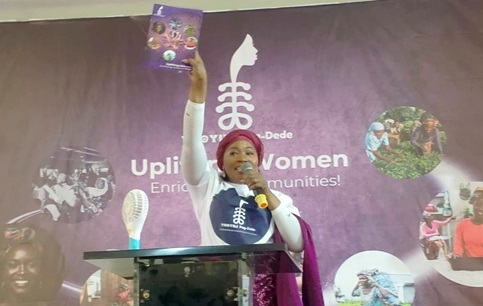
Hajia Fatahiya Abdul Aziz, Member of Parliament (MP) for Savelugu Constituency in the Northern Region, has appealed to development partners, donor agencies, and the private sector to prioritise support for a major irrigation initiative aimed at restoring dams and expanding water access for women farmers in the constituency.
The appeal formed part of efforts to mobilise resources for the Community-Led Irrigation Restoration and Dam Construction Project being spearheaded by the Yooyili Pag-Dede Foundation, an initiative by the MP targeted at driving development in the constituency.
The project seeks to rehabilitate the Libga Dam Cluster and construct new dams in selected communities with the goal of ensuring reliable water supply for over 5,000 women engaged in dry season farming.
Hajia Abdul Aziz, in an interview with the Ghana News Agency, said the intervention was critical to addressing persistent water shortage that undermined agricultural productivity and livelihoods, especially among women, who depended on small-scale irrigation.
She said the Libga Dam, a key source of water supply for farmers within and beyond the district, currently facedcapacity challenges resulting in water scarcity during peak dry periods.
She said “Many women travel from neighbouring areas such as Tamale and Kumbungu to engage in vegetable farming at Libga, however, the dam often dries up due to high demand for both irrigation and domestic use.”
She explained that the planned restoration would involve de-silting to increase water storage capacity, strengthening of embankments to prevent leakages and collapse, and the installation of silt traps to enhance sustainability.
She added that new dams would be constructed at Diare, Tibali, Damdu, and Pigu to expand irrigation infrastructure to reduce pressure on existing facilities.
The MP emphasised that the project would incorporate inclusive and gender-responsive features including safe and accessible water points designed to meet the needs of women farmers.
She emphasized that while preliminary technical assessments had been conducted, the success of the project would depend largely on partnerships and financial support from stakeholders.
She said “This is a strategic intervention to transform livelihoods, improve food security, and promote economic independence among women in our communities. We cannot do it alone, and that is why we are appealing for support.”
Hajia Abdul Aziz said the initiative formed part of a broader development agenda under the Yooyili Pag-Dede Foundation, which focused on women’s empowerment, education, preschool development, and access to clean water.
She expressed optimism that with the needed support, the project would enhance all-year-round farming, boost incomes, and improve the overall well-being of women and their families in the Savelugu Constituency.