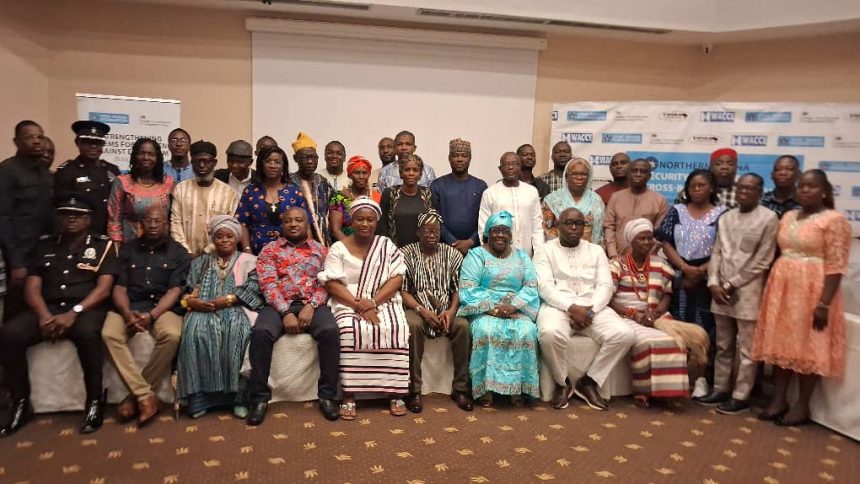
Stakeholders at a regional dialogue on peace and security have called for stronger collaboration, inclusive participation, and enhanced cross-border cooperation to address rising insecurity and violent extremism in West Africa.
Participants emphasised the need to deepen partnerships among civil society organisations (CSOs) across countries to sustain dialogue platforms and promote coordinated responses to emerging threats.
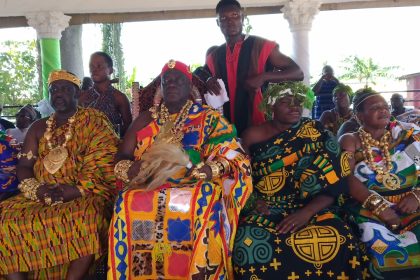
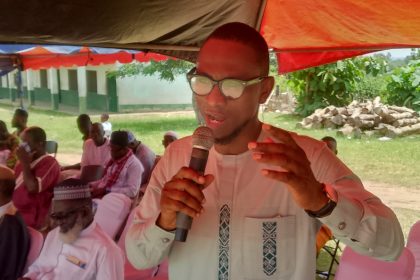
They highlighted the importance of broad stakeholder inclusion, particularly engaging Members of Parliament, traditional authorities through the House of Chiefs, queen mothers, community leaders, and the youth through CSOs and youth-led organisations.
The dialogue underscored mediation and conflict resolution as critical tools, urging the prioritisation of local mediation structures, while allowing for neutral or foreign mediators where necessary. Participants stressed that conflict resolution approaches must be context-specific to ensure effectiveness.
These were contained in key highlights at the end of the 7th Northern Ghana Security Dialogue and Cross-Border Civil Society Organisation Security Forum held in Bolgatanga.
The dialogue, organised by the STAR-Ghana Foundation in partnership with the West Africa Centre for Counter-Extremism and the Foundation for Security and Development in Africa, formed part of the implementation of the Strengthening Systems for Resilience Against Extremism (SURE) project, with funding support from the Foreign Commonwealth Development Office.
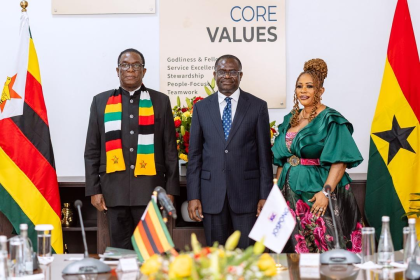
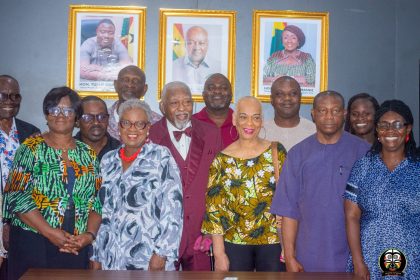
The engagement brought together state and non-state actors on peace and security, including regional ministers, members of Regional Security Councils, CSOs, traditional authorities, development partners, and representatives from Burkina Faso and Togo.
The dialogue is expected to generate recommendations to inform national security planning frameworks and strengthen coordinated responses to security threats in Northern Ghana and the broader West African subregion.
On regional security, key highlights presented by Amina Abdulai Yurilim, Gender Equality and Social Inclusion Project Officer at STAR-Ghana Foundation, on behalf of stakeholders, called for strengthened cooperation between Ghana and its neighbours, including Burkina Faso and Togo.
While acknowledging existing bilateral engagements, participants recommended expanding cooperation frameworks, enhancing regional coordination mechanisms, and promoting joint cross-border initiatives.
Stakeholders identified key challenges, including weak information flow between security agencies and communities, funding constraints, and limited stakeholder inclusion due to logistical and financial barriers.
They also pointed to complex security challenges, weak regional coordination, and socio-economic vulnerabilities such as youth unemployment and marginalisation, which increase the risk of radicalisation.
To address these issues, they recommended strengthening coordination among state actors, CSOs, and security agencies, while adopting integrated approaches that combine security and development.
They further called for improved early warning systems and monitoring mechanisms.
Participants also stressed the need for socio-economic interventions, including job creation, vocational training, and entrepreneurship programmes for young people, as well as reintegration initiatives for vulnerable groups.
On women’s inclusion, stakeholders noted that West Africa is increasingly becoming an epicentre of terrorism and political instability, with women disproportionately affected by conflicts.
They observed that women often bear the burden of caregiving, displacement, and economic hardship, yet remain underrepresented in peace processes and decision-making at national, regional, and international levels.
Participants stressed that women’s inclusion in peace processes is both a right and a strategic necessity, citing research that shows peace agreements involving women are more likely to be sustained.
They added that women play vital roles in promoting peace at the community level, serving as trusted figures, providing early warning information, and contributing to mediation and social cohesion.
GNA