
The shop was small, quiet and newly opened. Clothes hung neatly on the racks, waiting for customers who would inevitably come and buy. Business has been good so far but Arian Simone knew she needed more money to stock up. As she sat alone in the small store, she kept running the numbers in her head again and again. But the outcome was always the same: they did not add up. She had gone from bank to bank, investor to investor, asking for the capital she needed to grow. Each time, the answer was ‘no’.
The silence in that store felt heavy. It carried doubt, frustration and the unsettling sense of having done everything right and still being locked out.
It was there, inside her first clothing shop in Tallahassee in the United States, that Arian Simone made a vow to herself. If no one would invest in her, she would one day become the investor she had been looking for. She would build the kind of backing she wished had existed, not just for herself, but for African and African-American women like her who had ideas, discipline and drive, yet were denied opportunity.
Nearly two decades later, that promise is crossing continents. In March 2026, Simone will officially launch the Fearless Fund in Ghana, turning a private moment of despair into a public mission aimed at financing African women entrepreneurs. It is the clearest expression yet of a belief she now holds with certainty: when Africa’s women succeed in business, Africa’s economies will grow.
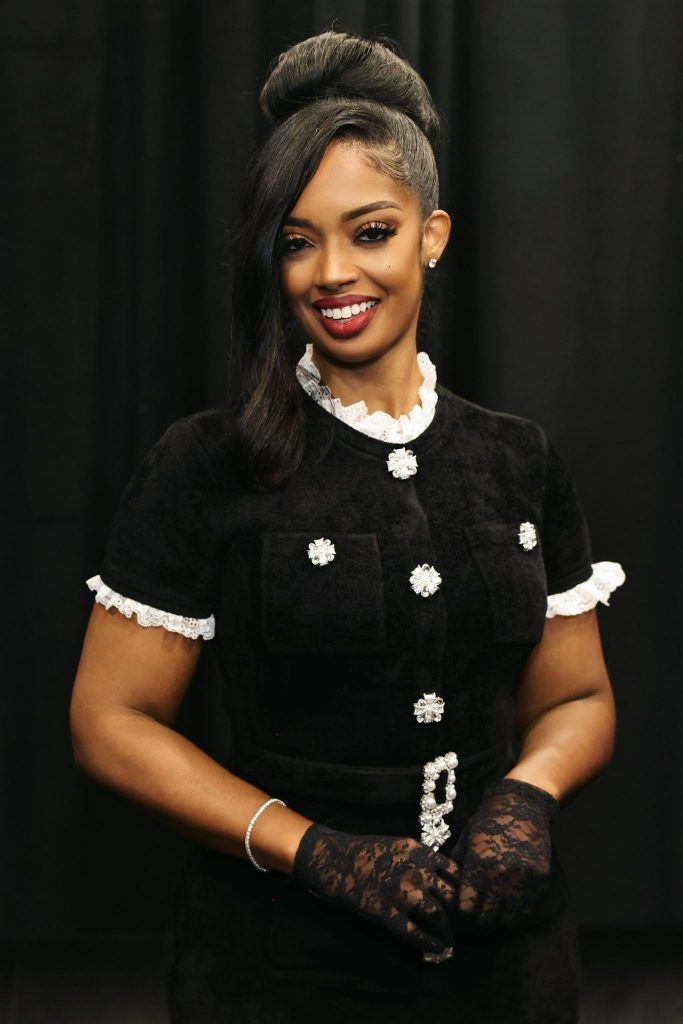
Arian Simone is today a global venture capitalist, entrepreneur, philanthropist and board director. She is also a queen of the Dawa Grand Bereby in Cote d’Ivoire but spending a lot of time in Accra by virtue of her marriage to a Ghanaian. But her story is driven by memory, by rejection, and by a determination to change the stories of African business women who have long been denied access to capital.
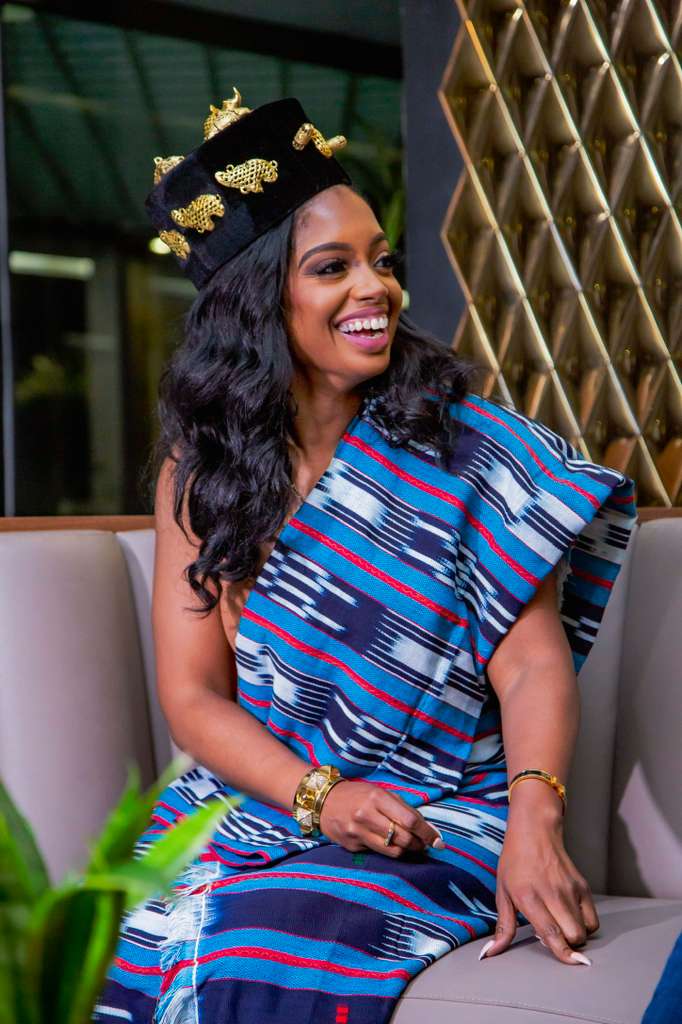
She describes herself first as a servant leader. Her work sits at the intersection of finance, faith and development, shaped by a conviction that has only deepened over time: Africa’s future growth depends on whether its women entrepreneurs are properly resourced.
From Detroit to the logic of the market
Simone was born and raised by African-American parents in Detroit, far from West African markets, yet she speaks about business in a way that feels immediately familiar in Accra, Nairobi or Abidjan.
“I’ve loved business since I was a kid,” she says. “People joke that if I knew my mother’s placenta had value, I would have sold it.”
As a child, she ran lemonade stands and sold flowers. By the age of 13, she says, she was always selling something. In high school, it was makeup. She sold Mary Kay products and learned early lessons about pricing, margins, customer trust and, above all else, a sense of pride in her African roots.
That instinct followed her to Florida A&M University, one of America’s historic Black institutions, where she earned both her Bachelor’s degree and an MBA. Formal business education sharpened her skills, but her approach remained practical and grounded.
At university, she opened a clothing shop, selling apparel in a way that now reminds her strongly of the businesses run by Ghanaian women traders and online sellers.
“This is fast-moving trade,” she says. “You know your cost. You sell at a different price. You take your profit. The women in the markets run circles around people with spreadsheets.”
But that shop also became her first direct encounter with the barriers that would later define her work.
“I struggled to raise capital,” she says. “I went to banks. I went to investors. It was rejection after rejection after rejection.”
She raised small amounts from her mother and from friends and family, but it was never enough to scale. Still, she opened the shop with what she had. Then came the moment of quiet defeat, sitting alone among unsold clothes, when the promise was made.
“One day,” she told herself, “I’m going to be the investor I’ve been looking for.”
After graduating, Simone closed the shop and moved to Los Angeles, believing she had secured stability through a job. The position vanished after just 30 days when the company was sold. Her savings ran out. She left her apartment and began living out of her car.
For seven months, that car was home.
“I applied for 153 jobs,” she says. “I still remember the number because I kept counting. Nobody hired me.”
She survived the way she always had, by selling. She sold clothes to eat. She sold clothes to buy fuel. She stayed optimistic until one moment at a traffic light.
“The light was green, but I wasn’t moving,” she remembers. “My mother called and asked where I was going. I told her the truth. I didn’t know.”
A week later, someone offered her freelance PR and marketing job. She took it immediately. That work grew into a service business, built slowly, brick by brick. But the vow she made in her clothing shop never left her.
As she rebuilt her life, she began funding other entrepreneurs around her.
“When my friends needed money, I would say, here’s $5,000, pay me back like this,” she says. “I didn’t know it was called angel investing. I just knew I didn’t want anyone to feel the way I felt.”
Over time, she encountered venture capital as a formal industry and realised that what she had been doing instinctively could be structured and scaled.
“That’s when I learned I could actually go into the business of helping people build businesses,” she says.
Building fearless fund and meeting resistance
Arian Simone went on to build a successful PR, marketing and entertainment firm, working with major global brands including Sony Pictures, Universal Pictures and Walt Disney Pictures. In 2010, she launched Fearless Magazine and the Fearless Platform, amplifying the voices of millennial women entrepreneurs.
But visibility did not translate into access. Capital remained scarce for black women and women of colour, even as they built fast-growing businesses.
So Simone made a decisive pivot. She founded the Fearless Fund with a clear intention to become the investor she once needed.
Built by black women for black women, the fund focuses on pre-seed, seed and Series A investments. Its premise is simple. Many founders are overlooked not because they lack ideas or discipline, but because the systems that distribute capital were never designed with them in mind.
The model worked. Fearless Fund attracted institutional backing, including from J.P. Morgan Chase and Bank of America, and deployed tens of millions of dollars into women-led businesses.
But success brought scrutiny. In 2023, a conservative legal group sued the fund over a grant programme for black women entrepreneurs, alleging racial discrimination. The case placed Simone at the centre of a broader backlash against diversity initiatives in the United States.
The lawsuit was eventually settled, and the programme discontinued. The cost was high. Simone received threats. Partnerships were lost. Plans to raise a second fund were paused.
“It was literally hell,” she later said.
Yet the experience sharpened her resolve. Out of it came a framework she calls demographic equity, the idea that funding and investment should reflect population realities.
“Storms don’t break us,” she says. “They build us.”
Côte d’Ivoire as proof of concept
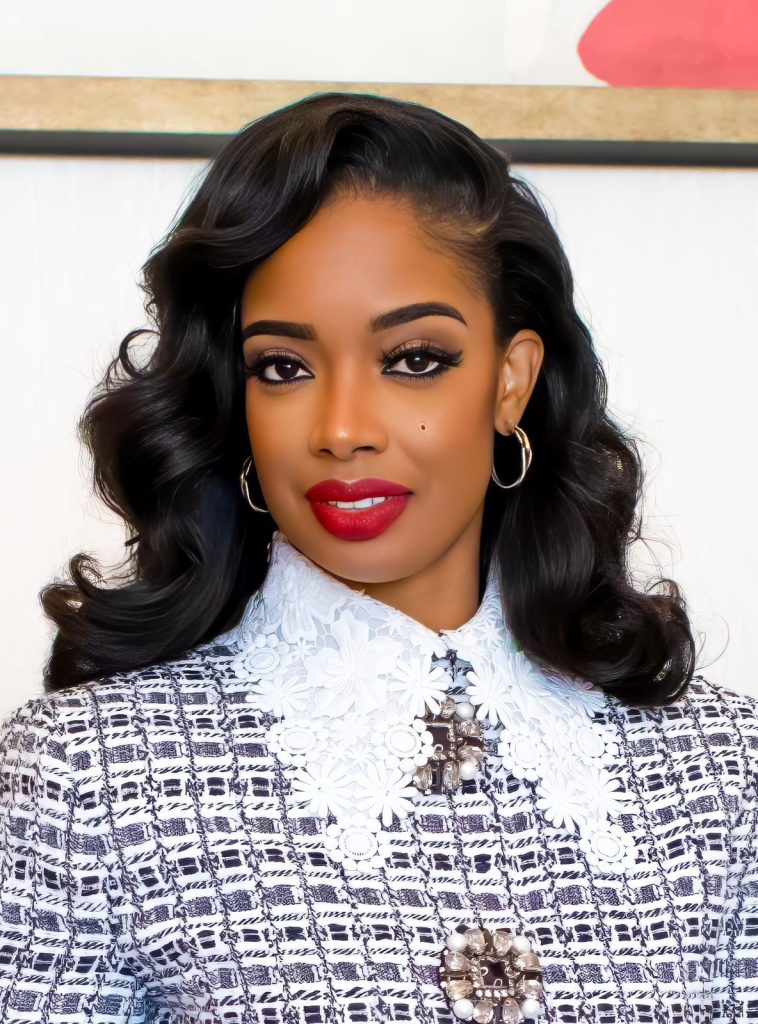
Simone’s turn towards Africa is neither recent nor merely symbolic. As Her Majesty Queen Wa Arian Simone of Dawa Grand Bereby in Côte d’Ivoire, she works closely with traditional authorities and local communities.
Her projects there include building a school, providing Wi-Fi to an entire village and supporting housing for teachers and pastors. But she speaks most passionately about working with women’s cooperatives.
In one case, she helped a cassava-processing group secure a machines and efficient transport to cart their goods from farm gate to markets.
“They went from doing everything by hand to increasing production more than ten times,” she says. “They have billboards now. When I drive past and see them, it brings me so much joy.”
She has also supported mango and cashew farmers and small agricultural producers. For Simone, what she achieved with women in Côte d’Ivoire provides evidence that her vision is practical, pragmatic, impactful and sensible.
“All they needed was opportunity,” she says. “Just a little capital, at the right moment, changes everything.”
Why Ghana is the starting point
Ghana, Simone believes, is the natural place to anchor Fearless Fund’s African expansion. She maintains a residence with her husband in Accra and spends time engaging women entrepreneurs, policymakers and business leaders.
Across Africa, one in three women runs or plans to start a business. In Ghana, nearly half of all businesses are owned by women. Women dominate markets such as Makola and Kejetia, power the informal sector and sustain households and communities.
Yet access to capital remains limited. Many women are turned away by banks, lack collateral or operate outside systems that recognise their economic value.
Simone sees what others overlook.
“The women in the markets understand cash flow better than most,” she says. “They don’t need convincing. They need capital.”
The launch of the Fearless Fund in Ghana in March 2026 is, for Simone, the fulfilment of a long-held vision. It is a return to women who resemble her younger self: ambitious, capable and shut out of opportunity. Ghana will serve as the anchor for Fearless Fund’s African operations, with Côte d’Ivoire standing as proof of the potential that exists when women are backed.
A different measure of success
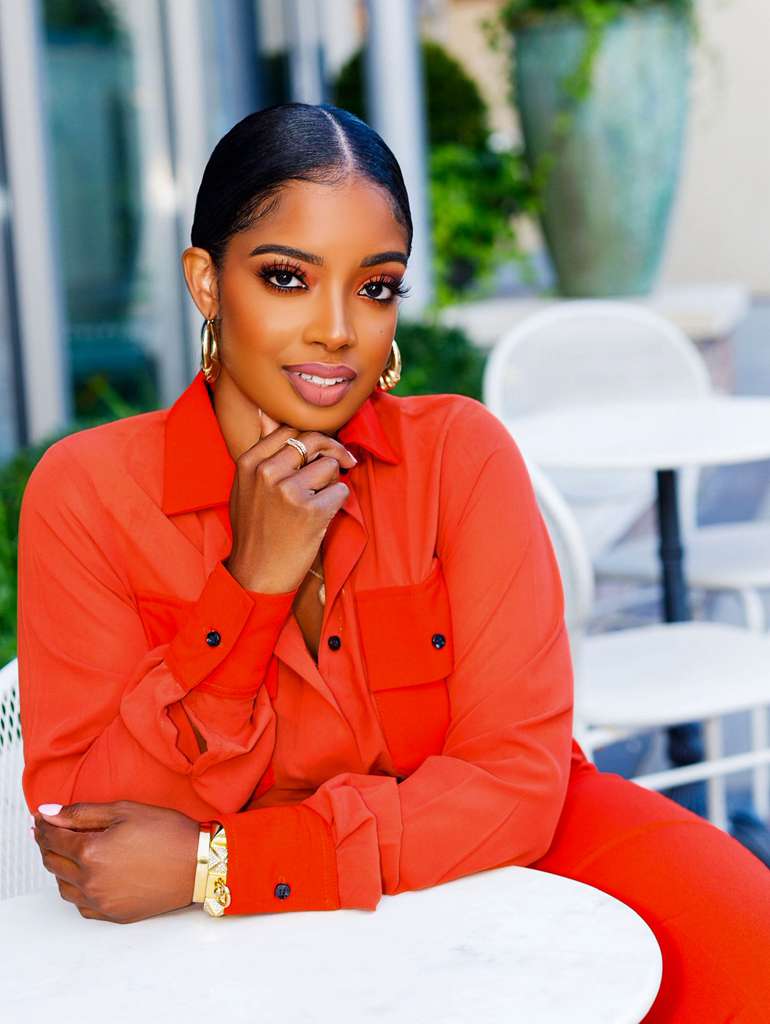
Despite global recognition and board roles, including becoming the first African female director on the Steve Madden board, Simone remains grounded. She credits faith and family as her anchors. Each day begins with prayer and reflection.
Success, she says, has changed meaning.
“Early on, success was achievement,” she reflects. “Now it’s fulfilment. Impact.”
As the Fearless Fund prepares to open its doors in Ghana, Simone’s story comes full circle. From a child selling lemonade, to a student denied capital, to a woman sleeping in her car, to an investor backing others, the arc is clear.
She is finally living the dream she once whispered to herself inside a quiet clothing shop.
And she is betting that Africa’s women, if properly resourced, will do the same for the continent.