A year-long intervention funded by the United Nations Peacebuilding Fund has contributed significantly to improved local governance, strengthened social accountability and enhanced participation of women and youth in decision-making processes across three regions in northern Ghana.
The project dubbed: “Enhancing Social Cohesion and Social Contract through the Empowerment of Women and Youth in three Northern Regions of Ghana”, through its community outreach approach and support for district assemblies to develop community action plans, has also helped to deepen grassroots participation and ownership of development initiatives.
Mr Freeman Salifu Kanton, Executive Director of CARO Ghana, a civil society organization, who supported in the implementation processes, said “What stood out for me in the one-year implementation of the project is the community outreach component and the support given to district assemblies through the development planning coordinating units to develop community action plans in the implementation areas.”
He said the project had created opportunities for community members especially, women to come together to identify their development needs, articulate aspirations and prioritise actions thereby strengthening inclusive planning at the local level.
Mr Kanton added that the project had also facilitated the establishment of Youth Social Accountability Networks and support groups that met monthly to deliberate on community challenges and had further strengthened civic engagement and rapid collective action.
He said “The interventions generally have improved women’s participation in local decision-making, enhanced youth engagement in social accountability, and increased the visibility of Assembly Members in mobilizing residents to take part in community development activities.”
Mr Kojo Kofi Daniel, Assemblyman for the Wunjuga Electoral Area in the Chereponi district of the North East region, said social accountability training under the project had transformed community relations with security agencies.
He said “Initially, we did not have a good relationship with the security services in our community. However, that has significantly improved as a result of the social accountability training.”
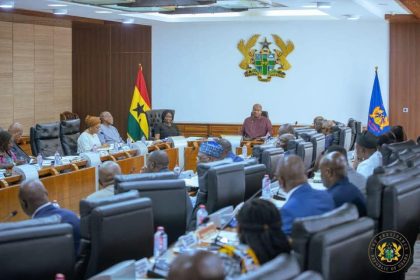
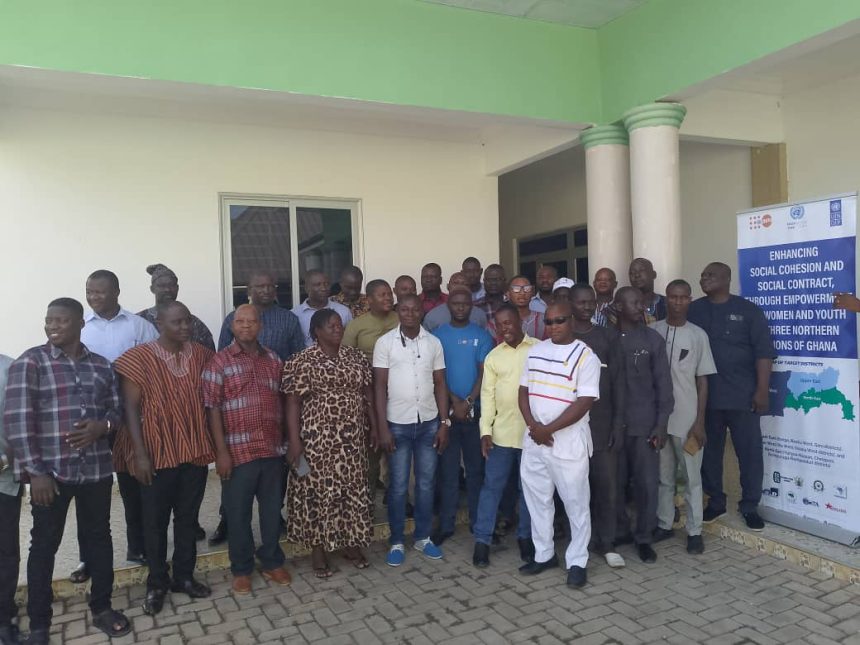
The testimonies were shared in Tamale to mark the end of the project in the three regions in northern Ghana.
The project was implemented in Sissala East and Wa West districts of the Upper West region; Garu, Bongo and Zebilla districts of the Upper East region; and Bunkpurugu/Nakpanduri, Yunyoo/Nasuan and Chereponi districts of the North East region.
Participants in the close-out and learning workshop included officials from the Ghana Center for Democratic Development (CDD-Ghana) project and Monitoring, Evaluation and Learning (MEL) teams; representatives from partner organisations, RISE Ghana, CARO Ghana and Simba Ghana; District Assembly officials and planning officers; Assembly Members; women and youth leaders from beneficiary communities; civil society and media representatives among others.
Implemented by CDD-Ghana with support from the United Nations Peacebuilding Fund through UNDP and UNFPA, the project aimed at preventing and addressing localized conflicts and vulnerabilities to violent extremism by strengthening trust between citizens and state institutions.
Mr Mohammed Awal, Research Manager and Team Leader for Local Governance and Social Accountability Practice at CDD-Ghana, during the event, said the project was focused on empowering women and youth, improving social accountability mechanisms, and promoting inclusive, transparent and participatory local governance in localities prone to conflict and marginalisation.
He explained that key interventions under the project included social accountability capacity-building for community-based actors, support for women and youth political aspirants, community radio advocacy and peacebuilding dialogues, Youth Democracy and Governance Learning Cafés, and strategic communication and grievance redress mechanisms to enhance feedback, transparency and responsiveness.
Mr Awal indicated that “As part of close-out activities, we organized this reflection and learning workshop to consolidate our achievements, analyze implementation experiences, and document lessons and best practices to inform future peacebuilding and governance programming.
He said the workshop was particularly designed to strengthen institutional learning, enhance coordination among partners and support evidence-based policy influence.
GNA