More than 160,000 people diagnosed with HIV in Ghana are not receiving life-saving treatment, a gap the Health Minister says is now one of the biggest threats to the country’s ambition of ending AIDS as a public health threat by 2030.
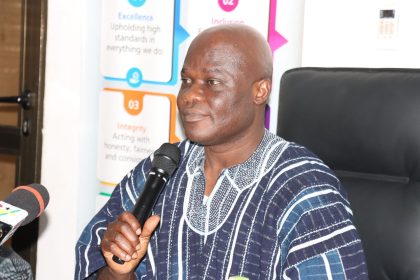
Presenting Ghana’s 2024 National HIV Estimates at the International Conference on AIDS and STIs in Africa, Health Minister Kwabena Mintah Akandoh said the country recorded 15,290 new HIV infections and more than 12,600 AIDS-related deaths in 2024. He warned that treatment coverage remains far too low to bring the epidemic under control.
Ghana has an estimated 334,700 people living with HIV. Only about 47 percent are on antiretroviral therapy, leaving more than half of those diagnosed outside the treatment system. The minister described this as “more than 160,000” people who are not receiving therapy, a figure he said illustrates a dangerous deficit in the national response.
The minister pointed to some gains. Adult HIV prevalence stands at about 1.49 percent, and those who receive treatment generally fare well, with high rates of viral suppression. Prevention of mother-to-child transmission remains strong for women who enter care early.
But the broader picture is mixed. The number of untreated people creates a large reservoir of ongoing transmission. For a country aiming to reduce new infections sharply, the gap undermines progress toward the global 95-95-95 targets, which require most people living with HIV to know their status, begin treatment and achieve undetectable viral loads.
A range of factors continues to keep many people out of treatment. Stigma remains a major barrier, with some patients reluctant to be seen at HIV clinics or fearful of discrimination from health workers and communities. Economic pressures also play a role, particularly in rural areas where transport costs, distance and lost working hours make consistent care difficult.
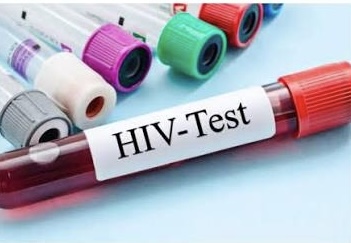
Testing and linkage to care remain significant weaknesses. Officials estimate that only around two-thirds of people living with HIV know their status. Many are therefore not on treatment because they simply have not been diagnosed, while others test positive but never return for follow-up visits. Adolescents and young women remain especially vulnerable, accounting for a large share of new infections and experiencing some of the highest rates of treatment drop-out.
Funding uncertainty has further strained the national response. Reductions in donor support and delays in releasing domestic funds have disrupted programmes meant to connect patients to treatment and help them remain in care. Civil society groups warn that financial instability puts essential services at risk, including community outreach programmes that often succeed where clinic-based services cannot.
Public health experts say the consequences of the treatment gap are far-reaching. Untreated individuals are more likely to transmit the virus, and they face a higher risk of serious illness and death. Hospitals are seeing preventable complications from late-stage AIDS, placing additional pressure on already stretched facilities. The country’s achievements in preventing mother-to-child transmission may also be undermined if adolescents and young mothers remain outside the care system.
Officials say the next phase of Ghana’s HIV response must focus on expanding testing, reducing stigma, and making treatment easier to access through community-centred models. These include bringing antiretroviral refills closer to patients and reducing the need for frequent clinic visits.
The Health Minister’s warning signals that Ghana’s HIV response is at a turning point. The tools to curb the epidemic exist, and progress has been made. But unless the tens of thousands who remain untreated are reached and supported, the country’s 2030 goal will remain out of reach, and the epidemic will continue to claim lives that could have been saved.