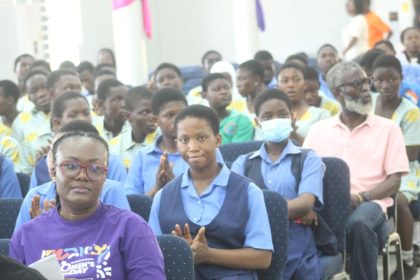
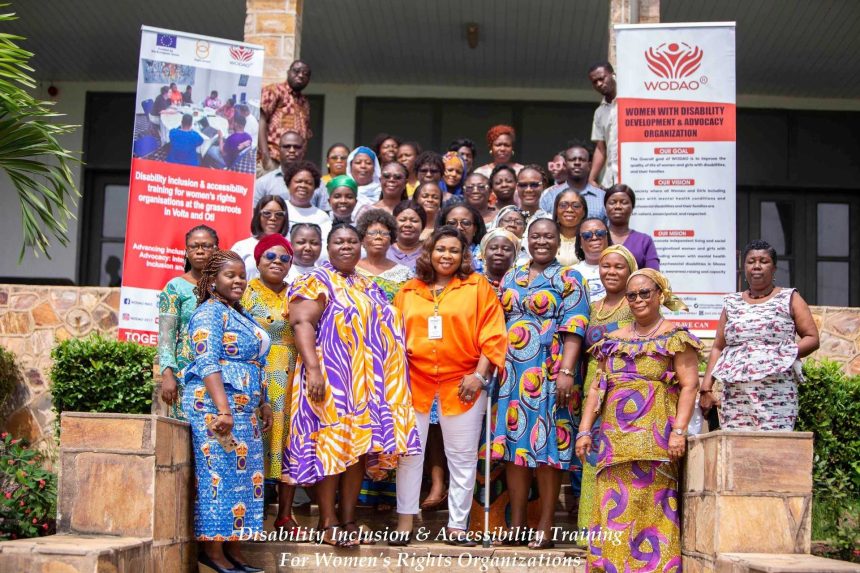
The Women with Disability Development and Advocacy Organisation (WODAO), a not‑for‑profit entity, has held a sensitisation workshop in Ho to strengthen civil society representation and participation of women with disabilities in Ghana.
The initiative, under its Disability Development and Accessibility Training for Women’s Rights Organisations (DDATWROs), responds to capacity gaps identified through project learning and assessments, which highlighted limited understanding of disability inclusion, accessibility, and the intersection between gender and disability among grassroots women’s rights organisations.
This training aimed to deepen advocacy and strengthen disability rights outcomes and relevance at the grassroots level.
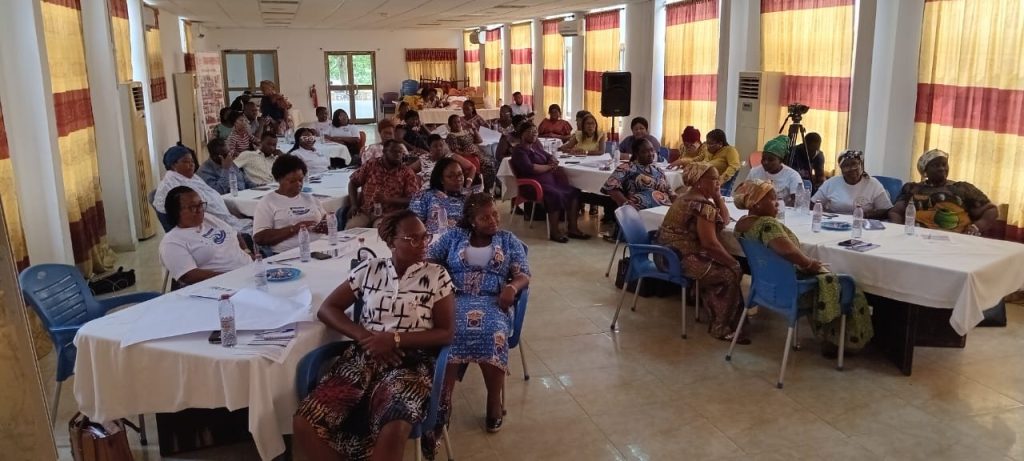
This training was organised under the theme, Strengthening Civil Society Representation of Women with Disabilities Project, an EU-funded initiative and implemented in partnership with Sightsavers.
Its overall goal is to strengthen the capacity of civil society organisations to meaningfully engage in development and decision-making processes, while ensuring that women with disabilities are not left behind.
Many grassroots women’s rights organisations lack the tools, systems, and inclusive practices needed to meaningfully involve women with disabilities in advocacy, programming, and governance.
According to Madam Veronica Denyo Kofiedu, the Executive Director of WODAO, women with disabilities continue to face entrenched barriers driven by gender inequality, disability‑based exclusion, poverty, and limited participation in decision‑making.
“Despite national and international commitments, they remain underrepresented in advocacy spaces, especially at community and district levels,” she said.
She indicated the training promotes a move away from charity models toward rights‑based, accountable programming focusing on inclusive governance and political participation, prevention of gender‑based violence against women with disabilities.
The Executive Director added that accessibility of services and information, as well as collaboration between women’s rights organisations and organisations of persons with disabilities (OPDs), was a way to success.
The project adopted a rights-based, inclusive, and systems-strengthening approach, aimed at building the capacity of civil society organisations to effectively engage in advocacy, development, and accountability processes.
While these organisations are key actors in advancing gender equality, many lack the practical tools, organisational systems, and inclusive practices required to meaningfully include women with disabilities in their programmes, advocacy agendas and internal governance.
The grassroots training forms part of the project’s cascading capacity-building model, through which learning at national and regional levels is transferred to community-based actors to ensure sustainability and local ownership.
By integrating disability rights into advocacy and organisational practices, WODAO hopes to catalyse stronger, more inclusive women’s movements across the Volta Region and beyond.
Zonal workshops in Ho, Hohoe and Jasikan will reach 120 participants, equipping them with practical skills to identify accessibility barriers and mainstream disability inclusion.
Madam Kofiedu emphasized “We will explore key concepts such as models of disability, inclusive language, accessibility principles, and practical steps for mainstreaming disability inclusion in advocacy work. It is designed to be practical, reflective, and action-oriented, drawing on your own experiences as women’s rights advocates and organisations working at the grassroots.”
“Let me assure you that WODAO sees this engagement as the beginning of a longer-term relationship. We hope that the knowledge and skills gained here will be a catalyst for concrete changes within your organisations and contribute to stronger, more inclusive women’s movements in the Volta Region,” she said.
Mr George Edem Kofiedu, the Project Officer of WODAO, identified persistent structural challenges, enforcement gaps, weak data systems, slow infrastructure compliance, limited budgets, and low awareness among duty‑bearers as major obstacles.
He recommended stronger enforcement regimes, investment in disaggregated data, and capacity building for public servants and policymakers.
He mentioned mainstreaming of policy and local governance on gender and disability rights and involving women and persons with disabilities in policy design, monitoring and oversight.
The Project Officer said the training is expected to contribute directly to the project’s overarching objective of building an inclusive, representative, and effective civil society that advances the rights and participation of women with disabilities in Ghana.
The training forms part of WODAO’s cascading model, ensuring that knowledge gained at national and regional levels is transferred to community actors for sustainability.