
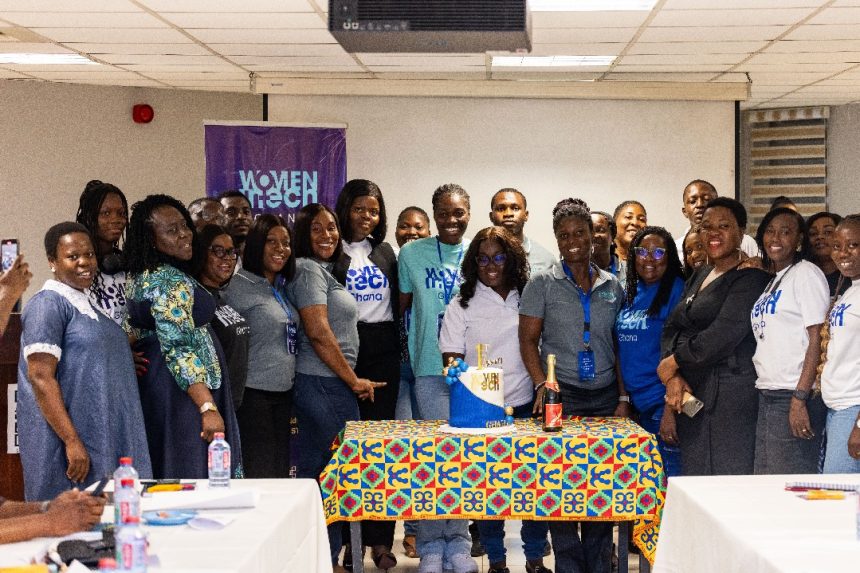
Mrs Luvina Sandra Atsu, Country Manager of Women in Tech Ghana, has reaffirmed the organisation’s commitment to empowering 50,000 women and girls in Science, Technology, Engineering, Arts and Mathematics (STEAM) by 2030.
She said the milestone reflected a year of courage, dedication, and a shared belief in building a community where women inspire and support one another into leadership and innovation.
Mrs Atsu was speaking at an event to commemorate the first anniversary of the Chapter in Accra on the theme: “Breaking Barriers, Building the Future for Women in STEAM.”
It brought together young innovators, mentors, tech leaders and development partners to reflect on progress made and the gaps that still existed.
She said the past year had seen significant achievements, including mentorship programmes, digital literacy training, coding workshops and career guidance sessions for girls in underserved communities.
She said these interventions were designed to build confidence, spark curiosity and equip young women with tools to thrive in the fast-changing digital landscape.
Mrs Atsu noted that the Chapter was contributing to Women in Tech’s Global vision of reaching five million women and girls through initiatives in education, business, digital inclusion, and advocacy.
She emphasised that the Ghana Chapter would achieve its 2030 target through mentorship, capacity building, skills development, and community-driven programmes and called for stronger partnerships to accelerate the mission.
She encouraged women and girls to be bold, authentic, and creative, urging them to “dare to dream” as Ghana builds a future where women thrive in STEAM.
Mrs Joana Kyeremateng, Managing Director DennisLaw Ghana, urged young women to embrace courage, confidence and community as they pursue careers in STEAM.
She noted that the rapid growth of Women in Tech Ghana demonstrated a rising hunger among young women to break barriers and build meaningful careers in the digital economy.
Mrs Kyeremateng emphasised that many women still faced structural and cultural obstacles, including limited mentorship, biases and inadequate support systems.
She commended the organisation for creating a safe, empowering space for women to learn, collaborate and lead, saying such networks were essential for Ghana’s digital transformation agenda.
She encouraged members to support one another and continue challenging stereotypes that limit women’s participation in STEAM fields.
Mrs Gloria Opoku Anti, Managing Director of Jospong Group of Companies, outlined key initiatives over the past year, including virtual training programmes that expanded access to women across Ghana and outreach activities.
This includes a visit to Bishop Girls School and several webinars on major digital platforms to enhance visibility and knowledge-sharing.
She said ongoing community engagements and the sustainable Tech Career Events, supported by partners like Academy Achievers, KPMG, MTN, and others, opened new pathways for young women entering the tech ecosystem.
Mrs Anti emphasised that these activities represented real transformations, increased confidence among women, new aspirations for young girls, and strengthened recognition of female leadership in digital spaces.
She expressed gratitude to sponsors, including ECG, Zoomlion, Forest Group Hotel, volunteers, and individuals whose support made the progress possible.
She reaffirmed the organisation’s commitment to breaking barriers and ensuring a future where women have equal access to opportunities in STEAM.