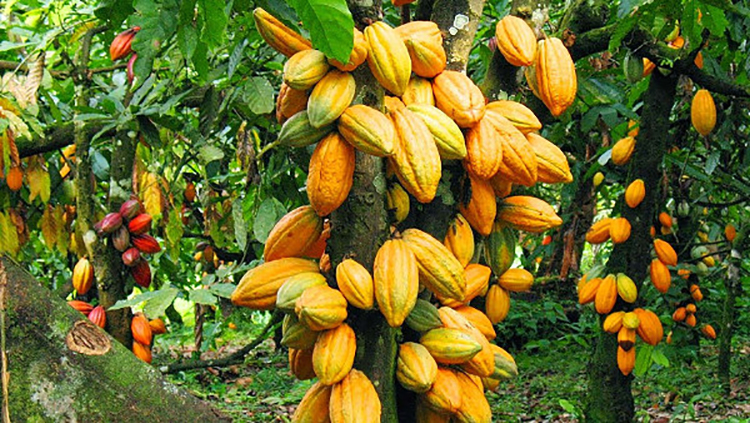
The World Bank has committed approximately $75 million to a major cocoa rehabilitation initiative in Ghana, targeting the restoration of 25,000 hectares of farmland blighted by disease and declining productivity.
The funding, channelled through the West Africa Food Systems Resilience Programme, will support the replacement of diseased and ageing cocoa trees with improved, high-yielding, and disease-resistant varieties.
It will also promote better farm management practices among growers.
Speaking at a World Bank civil society engagement on food security in Accra, Ashwini Sebastian, Agricultural Economist at the World Bank’s Ghana office, said the cocoa rehabilitation project is part of broader efforts to strengthen food system resilience across the region.
“The West Africa Food Systems Resilience Programme, financed by the World Bank and implemented by the Government of Ghana, has enabled us to leverage grant financing,” she said, noting that seed funding from the Norwegian government is also being deployed to support key agricultural value chains.
Ms. Sebastian described the cocoa component as a flagship intervention.
“We are putting in almost $75 million to rehabilitate 25,000 hectares of cocoa farms that have been affected by disease,” she said.
“Our immediate target is to restore about 5,000 hectares by July.”
Ghana’s cocoa sector has faced mounting pressure in recent years from swollen shoot disease, ageing tree stocks, and climate variability, factors that have contributed to declining yields and reduced farmer incomes.
Beyond cocoa rehabilitation, the programme is supporting seed system development in selected clusters, including trials of improved crop varieties suited to dry-season conditions, particularly in northern Ghana.
The initiative also includes the provision of cashew seedlings to farmers as part of efforts to diversify income sources and strengthen agricultural livelihoods.
Analysts say large-scale rehabilitation is critical to sustaining Ghana’s position as one of the world’s leading cocoa producers and safeguarding the foreign exchange earnings generated by cocoa exports.