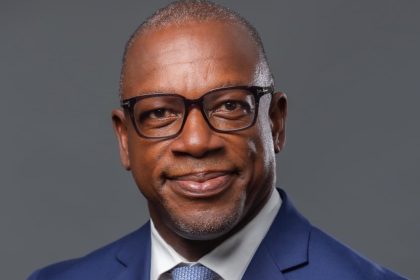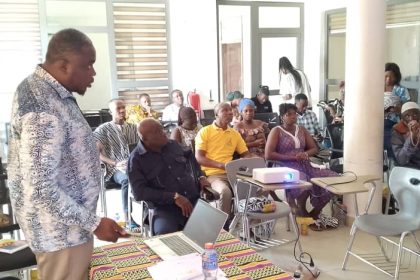
Dr. Owusu Fordjour Aidoo, an academic researcher and lecturer at the University of Environment and Sustainable Development (UESD), Somanya, has called for the strengthening and strict enforcement of sanitation laws to reduce the recurring incidence of flooding in the country‘s urban centres.
He said while climate change had contributed to increasingly intense rainfall, poor sanitation and weak enforcement of environmental regulations remained major causes of flooding and must be addressed through a coordinated multi-sectoral approach.
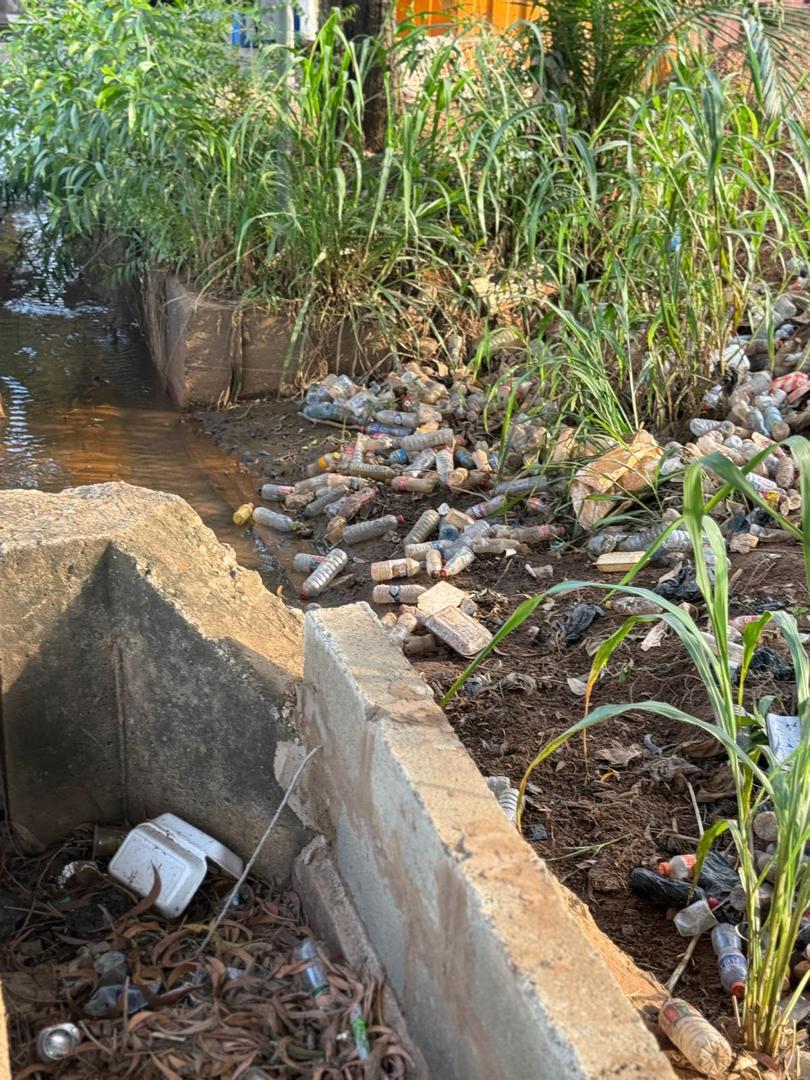
Speaking in an interview with the Ghana News Agency (GNA) in Kumasi, Dr. Aidoo observed that the indiscriminate disposal of solid waste into drains, streams and other water bodies had significantly reduced the capacity of drainage systems to carry stormwater, resulting in frequent flooding during heavy rains.
He noted that rapid urbanisation had placed enormous pressure on sanitation infrastructure, while population growth had not been matched with efficient waste management systems, leading to the accumulation of refuse in drains and waterways.
Dr. Aidoo identified plastic waste, including used water sachets, plastic bottles, shopping bags and food containers, as one of the biggest sanitation challenges confronting the country.
He lamented that some residents deliberately dumped refuse into drains during heavy rains with the expectation that floodwaters would wash the waste away.
„Plastic materials are non-biodegradable and remain in drains for long periods, obstructing the free flow of water and increasing the risk of flooding whenever it rains,“ he said.
Dr. Aidoo expressed concern that environmental uncleanliness had become a habitual practice among some members of the public despite sustained public education campaigns by metropolitan, municipal and district assemblies and environmental agencies.
He called for the revival of regular household sanitation inspections by environmental health officers to promote compliance with sanitation regulations.
According to him, drains that are desilted before the rainy season often become clogged again within a short time because of irresponsible waste disposal practices.
The environmental expert also raised concerns about the increasing encroachment on waterways and wetlands through unauthorised construction.
He explained that buildings erected on natural drainage channels obstruct the free flow of floodwaters, causing water to back up into residential communities and resulting in the destruction of homes, businesses and public infrastructure, sometimes with fatal consequences.
Dr. Aidoo said the economic impact of flooding remained enormous, as businesses suffered losses through damaged goods, disrupted operations and reduced customer access, while government spent substantial resources repairing damaged roads and bridges.
He added that farmers in peri-urban communities also incurred significant losses when floodwaters submerged farmlands and destroyed crops.
On public health, Dr. Aidoo warned that blocked drains and stagnant water created ideal breeding grounds for mosquitoes, increasing the incidence of malaria, while contaminated floodwaters exposed residents to diseases such as cholera, typhoid fever and diarrhoeal infections.
He urged public health authorities to intensify public education on the health implications of poor sanitation and flooding.
Dr. Aidoo stressed that although climate change contributed to the increasing intensity of rainfall, effective sanitation practices and proper drainage management could significantly minimise the impact of floods on communities.
He called on metropolitan, municipal and district assemblies to strengthen the enforcement of sanitation by-laws, improve waste collection services and increase investment in drainage infrastructure.
He also advocated stricter penalties for littering and the indiscriminate dumping of refuse into drains and water bodies.
Dr. Aidoo urged citizens to take personal responsibility for keeping their surroundings clean and to report sanitation offences to the appropriate authorities.
He further appealed to traditional authorities, religious organisations and civil society groups to support public education campaigns aimed at promoting responsible waste disposal practices.
„Government intervention alone will not solve the sanitation challenge. Every citizen has a role to play in keeping drains free from waste and protecting communities from the devastating effects of floods,“ he said.
Dr. Aidoo called on Ghanaians to work collectively to rid communities of filth and build cleaner, healthier and more resilient cities.
GNA