The consortium implementing the Sexual Health and Reproductive Education (SHARE) Project, has called for sustained investment in adolescent health and mentorship programmes to consolidate the gains made over the years.
The consortium said when government institutions, Metropolitan, Municipal and District Assemblies (MMDAs), traditional authorities, and community leaders invest strategically in adolescents, it would empower young people to make informed choices and address issues such as teenage pregnancy, school dropout, child marriage, and sexual and gender-based violence.
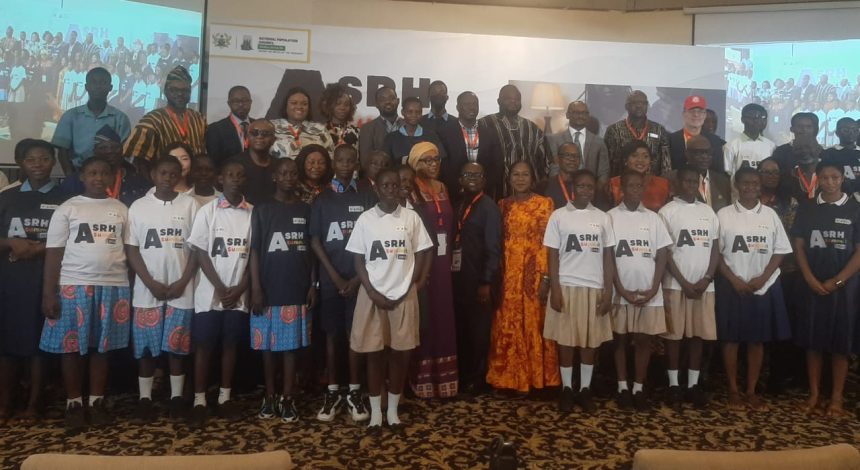
Mr Harrison Akubor, the Interim Country Director of Right To Play Ghana, one of the consortium partners, made the appeal at the close-out of the SHARE Project at Sandema in the Builsa North Municipality.
The project was implemented by Right To Play in partnership with FAWE Ghana, WaterAid Ghana, and FHI 360, with funding from Global Affairs Canada.
The project, rolled out in the Kassena-Nankana and Builsa North Municipalities and the Kassena-Nankana West and Bongo Districts, aimed to advance gender equality by providing access to age-appropriate sexual and reproductive education and gender-responsive care for young people, especially girls and young women.
Mr Akubor said although the project had officially ended, its impact should not end with the withdrawal of donor support, adding that strong partnerships with the Ghana Health Service, Ghana Education Service, district assemblies, and local implementing organisations had resulted in sustainability and action plans to ensure continuity.
“We are encouraging the local authorities and district assemblies to continue investing in the programme. If they can allocate even a small budget to support the gains we have achieved, it will go a long way. We do not want the project to die out simply because we are closing,” he said.
He said the project had strengthened the capacities of health workers, improved menstrual hygiene management, increased adolescents’ access to sexual and reproductive health information and services, and empowered young people to make informed life choices.
Mr Akubor said the knowledge, systems, and partnerships established under the project would continue to benefit communities long after the project’s closure.
He called for continued collaboration among development partners, government institutions, teachers, health workers, traditional authorities, and communities to build on the progress made in improving outcomes for children, adolescents, and families.
Ms Elizabeth Anafo, the Head of Programmes at Widows and Orphans Movement and SHARE Project, the Lead for the Builsa North Municipality, said sustaining the community-based mentorship programme was critical, particularly for out-of-school adolescents who remained outside formal school-based support systems.
She said the project had successfully trained community mentors and strengthened collaboration with traditional and religious leaders, making it easier to address harmful social norms and improve communication on adolescent sexual and reproductive health.
“We want communities to continue the mentorship programme and use existing community structures such as traditional councils, religious meetings, and health management committees to sustain the dialogue and continue supporting adolescents,” she said.
Ms Anafo said the intervention had contributed to increased financial literacy, livelihood skills, and informed decision-making among adolescents while helping to reduce teenage pregnancy in the municipality.
Mr P. P. Appabey Baba, the Secretary to the Paramount Chief of the Builsa Traditional Area, also called for community ownership of the intervention, urging residents to adapt and sustain the project’s activities with locally available resources.
He suggested that community groups and local musicians could develop songs and educational messages to reinforce the project’s key lessons after donor support ended.
“We should not always wait for external support. Communities can localise these interventions and continue promoting the good practices introduced by the project,” he said.
Mr Selasi Bawa, the WASH Focal Person at the Builsa North Municipal Health Directorate, said the project had strengthened Water, Sanitation and Hygiene (WASH) systems in health facilities through capacity building, supportive supervision, and improved collaboration between the Municipal Assembly and the Health Directorate.
He said although the project had ended, the skills acquired, partnerships established, and improved ownership among facility staff would ensure that quality WASH services continued to benefit communities.