The National Commission for Civic Education (NCCE) has undertaken a community outreach campaign on adolescent health, gender equality and youth empowerment in 13 communities in the Yunyoo-Nasuan District of the North East Region.
The two-week campaign reached an estimated 4,000 residents in Yunyoo, Mozio, Kufuk, Namong, Tema, Bunbuna, Nasuan, Gbankurugu, Jimbali, Sitik, Tuna One, Tuna Two and Gbungbani.
The initiative sought to equip young people and community members with knowledge on adolescent sexual and reproductive health, menstrual hygiene management, prevention of teenage pregnancy and the promotion of gender equality.
It also aimed at addressing harmful traditional practices, including child and forced marriages, while ensuring access to critical health and rights information in isolated and underserved communities.
The campaign was organised by the NCCE in partnership with the United Nations Population Fund (UNFPA), with funding support from Global Affairs Canada.
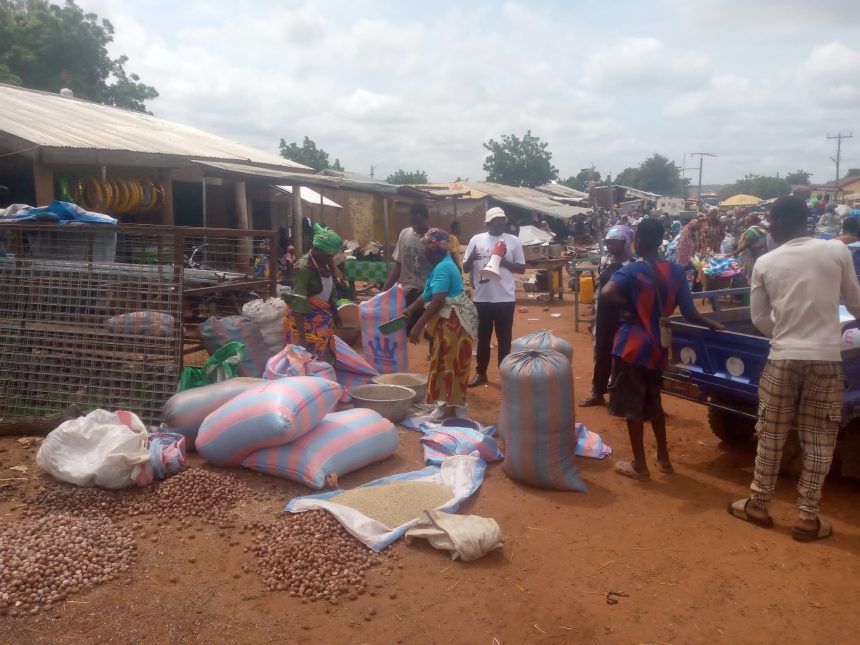
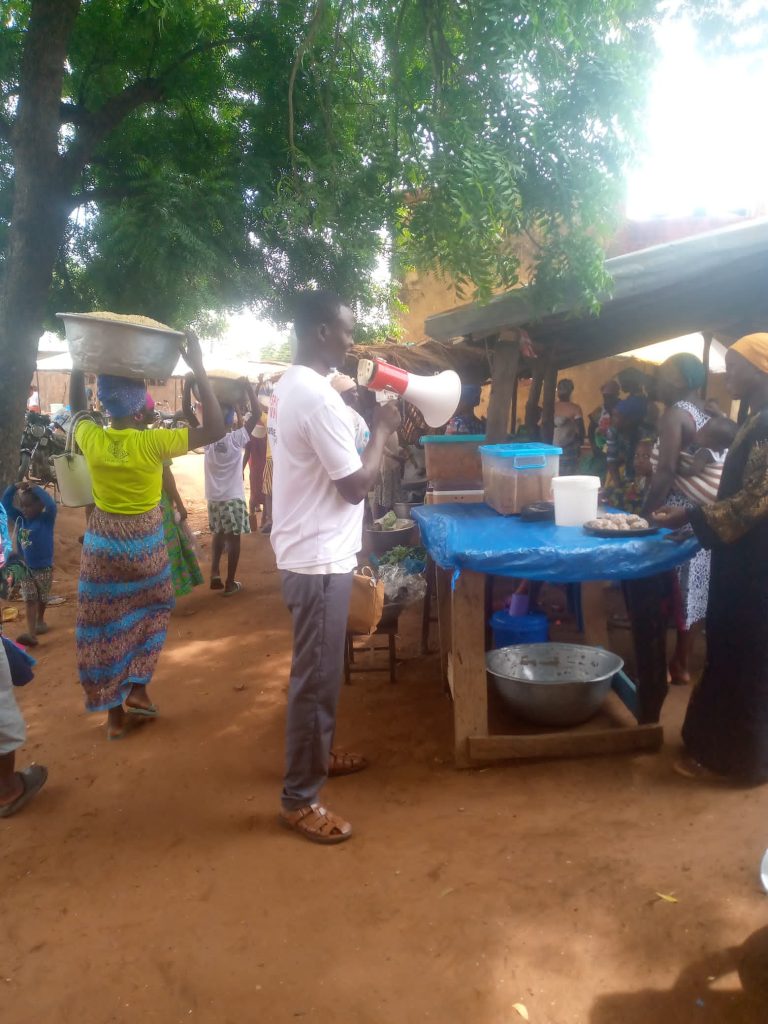
As part of the exercise, the NCCE deployed a mobile van fitted with public address equipment and megaphones to disseminate educational messages at strategic locations, including markets, schools, community centres and roadside settlements.
Communities such as Jimbali, Nasuan, Gbankurugu and Gbungbani, which have public address systems with extensive coverage, were reached through those facilities, while megaphones were used in the remaining communities.
The campaign provided information on adolescent sexual and reproductive health, the importance of antenatal care, menstrual hygiene management, gender equality, male involvement in family health promotion and the prevention of gender-based violence.
Residents were also encouraged to support the empowerment of young people, particularly adolescent girls, by creating enabling environments that protect their rights, promote their education and improve their access to essential health services.
Prior to the campaign, officials of the NCCE engaged chiefs, opinion leaders and women’s groups in the beneficiary communities to secure their support in mobilising residents for active participation in the exercise.
GNA