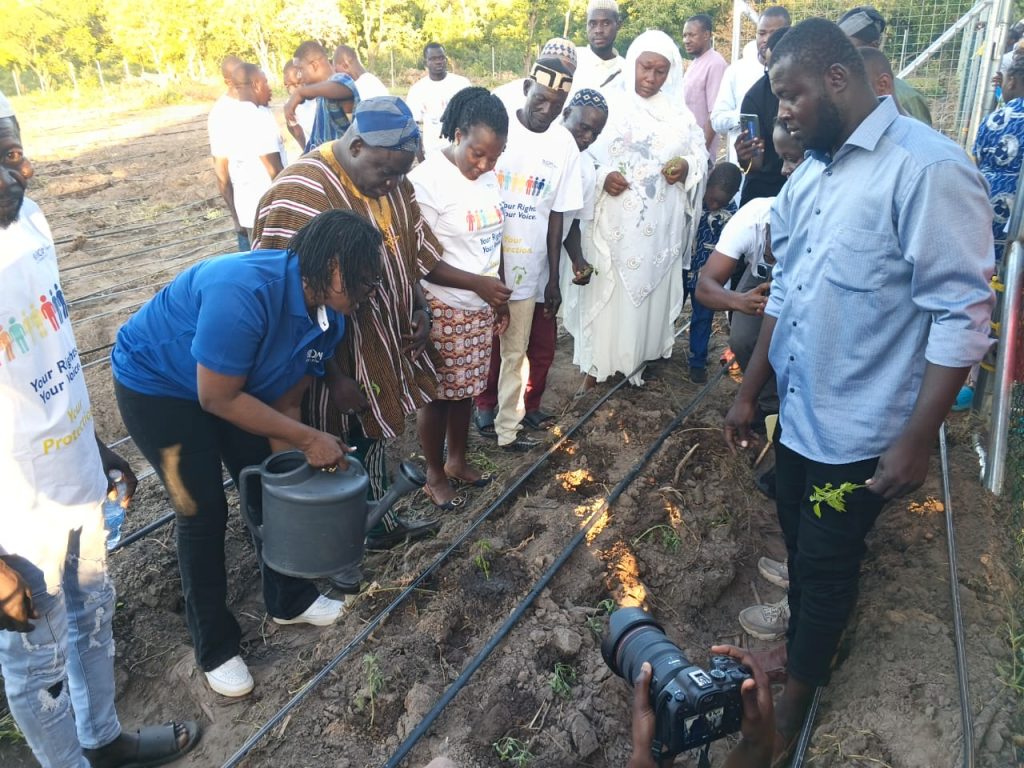
Community Aid for Rural Development (CARD)-Ghana, in partnership with the International Organisation for Migration (IOM) and the German Corporation for International Cooperation (GIZ), has handed over a drip irrigation facility to farmers in the Konjiehi community, Wa Municipality.
The facility, which comprised a fenced irrigable area, a mechanised water supply system and drip irrigation lines, was expected to support all-year-round farming.
It would also help improve food production, create employment opportunities and strengthen the climate resilience of the farmers, particularly among women and young people.
The intervention formed part of efforts by the partners to promote sustainable livelihoods, enhance food security and reduce irregular migration by creating viable economic opportunities within local communities.
Speaking at the handing-over ceremony at Konjiehi , Mr Al-hassan Hudi, Executive Director of CARD-Ghana, indicated that the beneficiaries had also received capacity-building in entrepreneurship and livelihoods to ensure the sustainability of the intervention.
“This intervention is not only for the over 30 beneficiary farmers. The benefits will extend to their households, their children and future generations within the community”, he said.
Mr Hudi urged the community to protect the facility, work together in unity and maximise its benefits to improve livelihoods and strengthen local economic development.
Naa Yakubu Hashim, the Chief of Konjiehi, described the irrigation system as a blessing to the community.
He said the reliable all-year-round water supply would increase agricultural production, improve household incomes and create employment opportunities for young people.
He added that by creating sustainable livelihoods within the community, the project would help reduce youth migration and encourage them to contribute to the community’s development.
Ms Fatou Diallo Ndiaye, Chief of Mission of IOM for Ghana, Togo, Benin, said the project would also help to promote inclusive and environmentally sustainable livelihoods for returnees and members of host communities.
She said the successful completion of the project demonstrated the importance of partnerships among development partners, government institutions, traditional leaders and community members.
Ms Ndiaye reaffirmed the IOM’s commitment to supporting livelihood interventions that aligned with the government priorities and help reduce irregular migration among young people.
Ms Ruth Mansah Mensah, a Technical Advisor at GIZ, described the facility as a symbol of partnership, resilience and hope.
She said the project’s success would be measured by how well the facility was maintained and by the extent to which it improved the lives of the community members.
She encouraged the people to take advantage of services offered by the Public Employment Centre in Wa, including skills development, career guidance and employment support.
In a speech read on his behalf, Alhaji Nurah Issah Danwana, the Wa Municipal Chief Executive, described the project as a practical response to the growing challenges of climate change, including erratic rainfall and prolonged dry seasons.
He said the drip irrigation system would enable farmers to diversify production and improve household incomes.
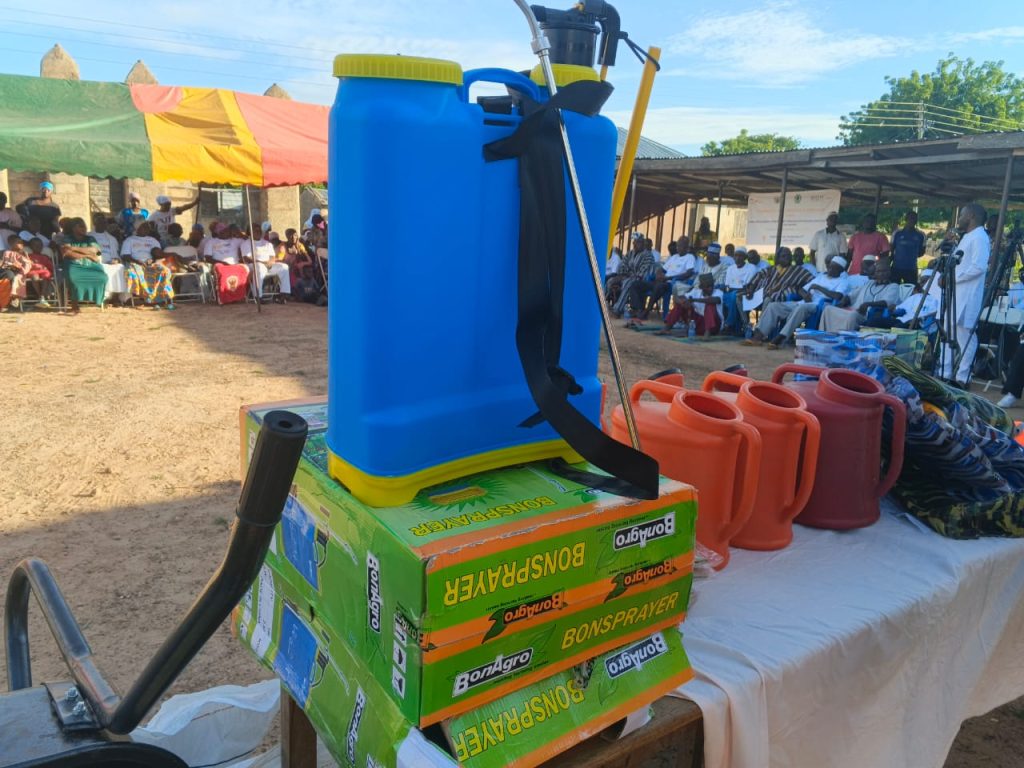
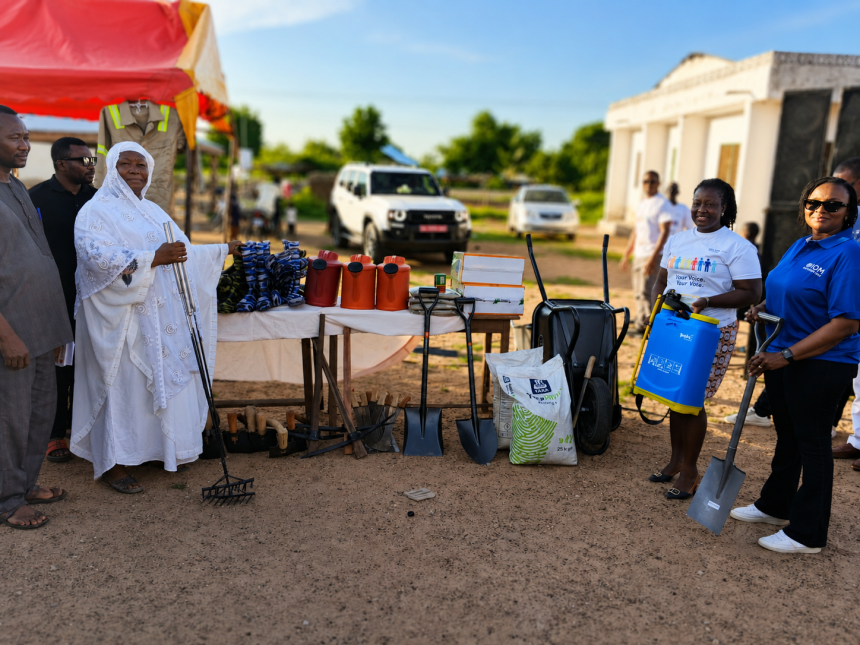
The partners also presented farm toolkits, including wellington boots, knapsack sprayers, watering cans and inputs, among others, to the farmers.
GNA