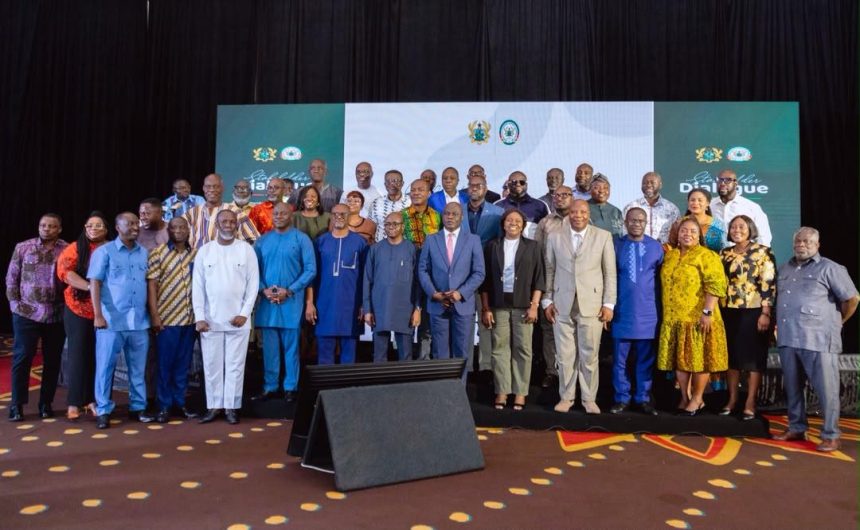
Ghana risks reversing two decades of sanitation progress unless a sustainable funding model is urgently established, stakeholders warned at a high-level dialogue in Accra.
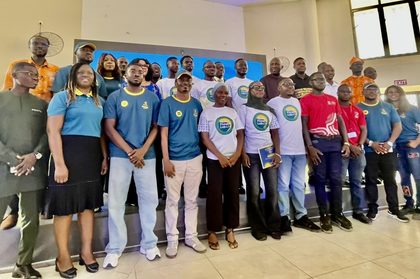
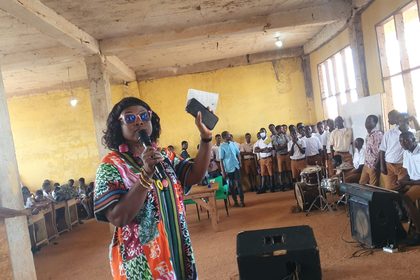
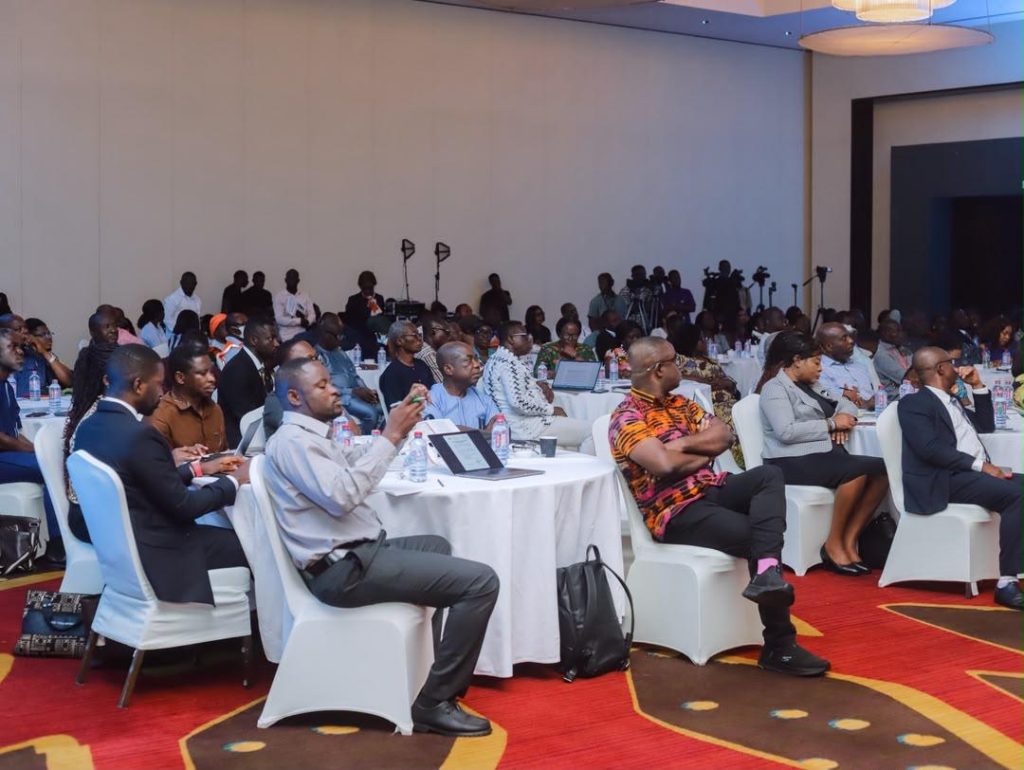
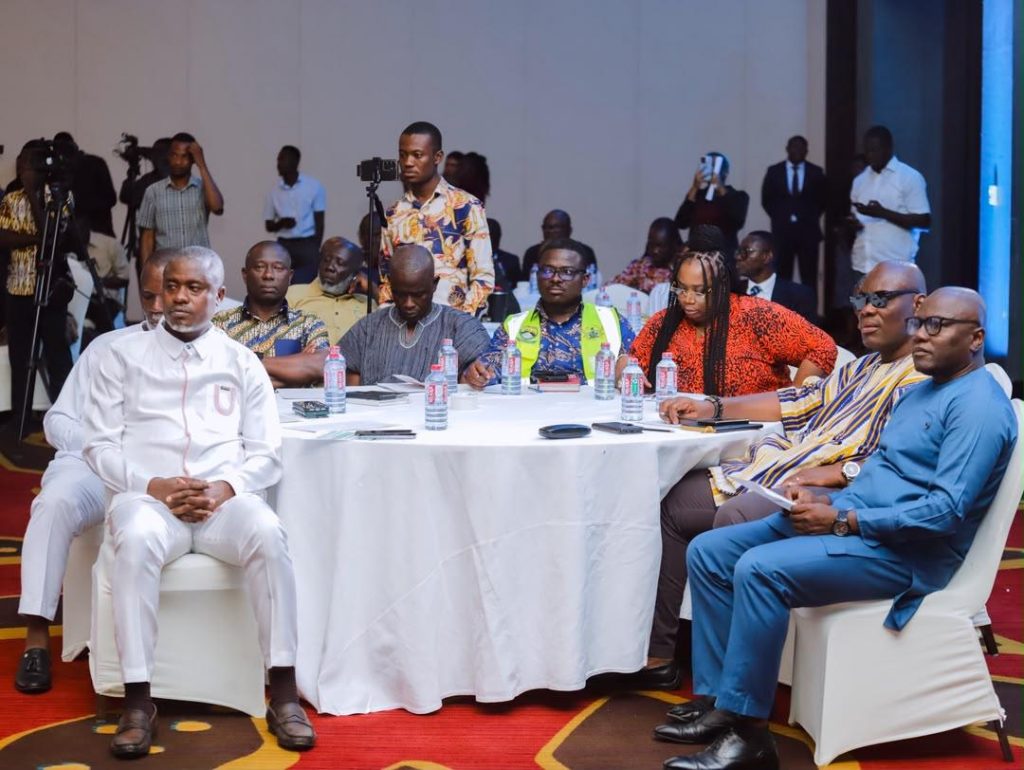
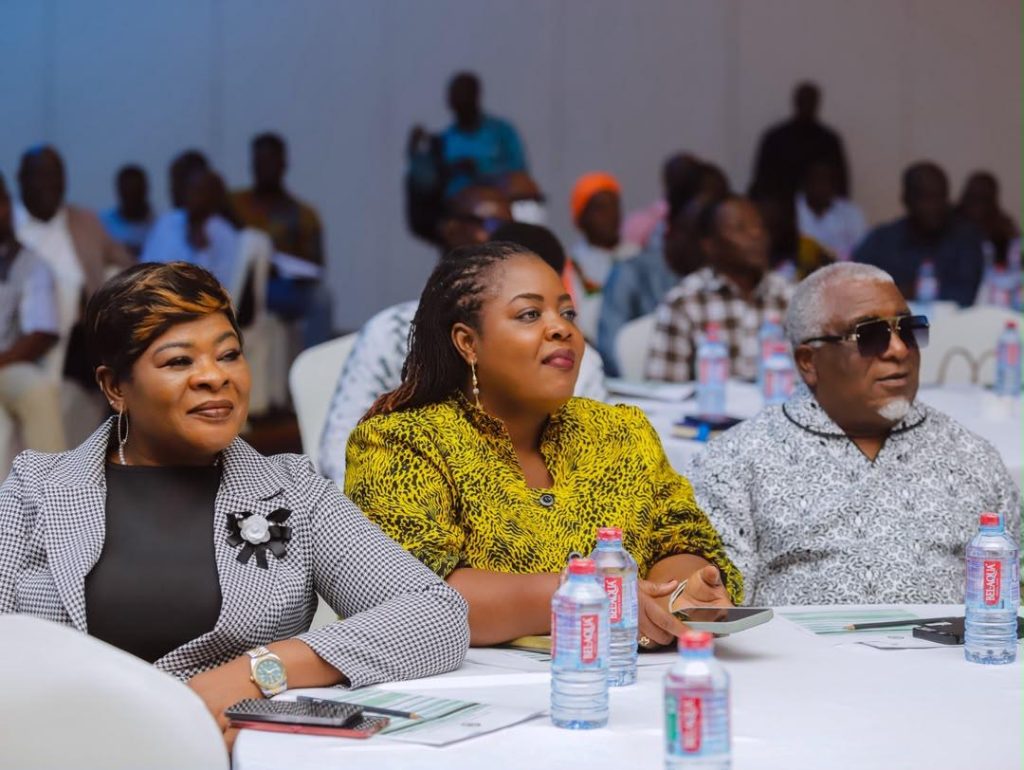
The forum, organised by the Ministry of Local Government, Chieftaincy and Religious Affairs under the theme “Alleviating Waste Disposal Crisis in Greater Accra,“ brought together government officials, sanitation experts, and private operators.
The consensus was that waste management is a public good that cannot be financed by households and businesses alone.
The Sanitation and Pollution Levy is no longer effectively supporting waste management activities.
Ghana generates 4,400 tonnes of solid waste daily (1.6 million tonnes annually), with an 80% collection rate, leaving significant uncollected waste threatening public health.
Urbanisation is expected to drive waste volumes substantially higher in the coming decade.
Hon. Ahmed Ibrahim, Minister for Local Government, identified financing as the sector’s single biggest obstacle.
He disclosed ongoing talks with the Ministry of Finance to secure dedicated funding to clear arrears owed to private contractors, warning that delayed payments could trigger serious environmental and health consequences. He cited South Korea as an example of necessary government support for sanitation services.
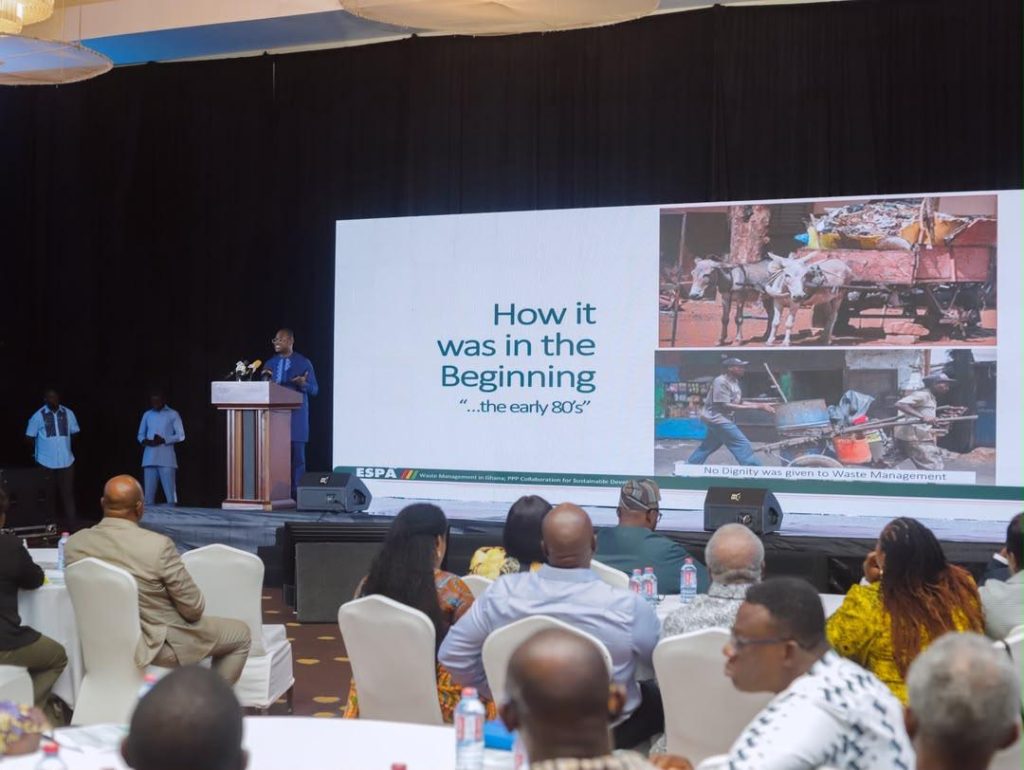
Dr. Joseph Siaw Agyepong, President of the Environmental Service Providers Association (ESPA), revealed that all 17 engineered landfills built in Ghana over the past decade have already reached capacity.
He called for a circular economy approach, prioritising recycling, composting, and resource recovery, with landfilling as a last resort.
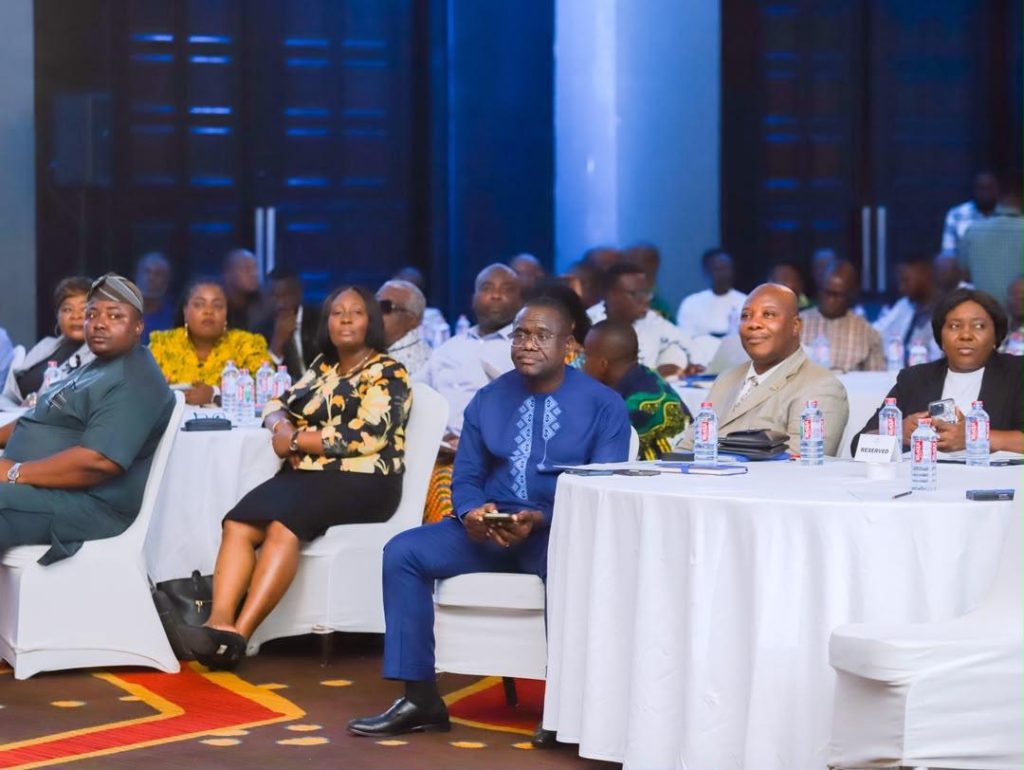
He noted that while international benchmarks suggest households should pay US$15–20 monthly for waste collection, Ghanaian providers struggle with low tariffs and poor revenue collection.
Research presented at the dialogue estimated that poor waste management costs Ghana over GHC6.2 billion annually through flood damage, healthcare expenses, and environmental degradation.
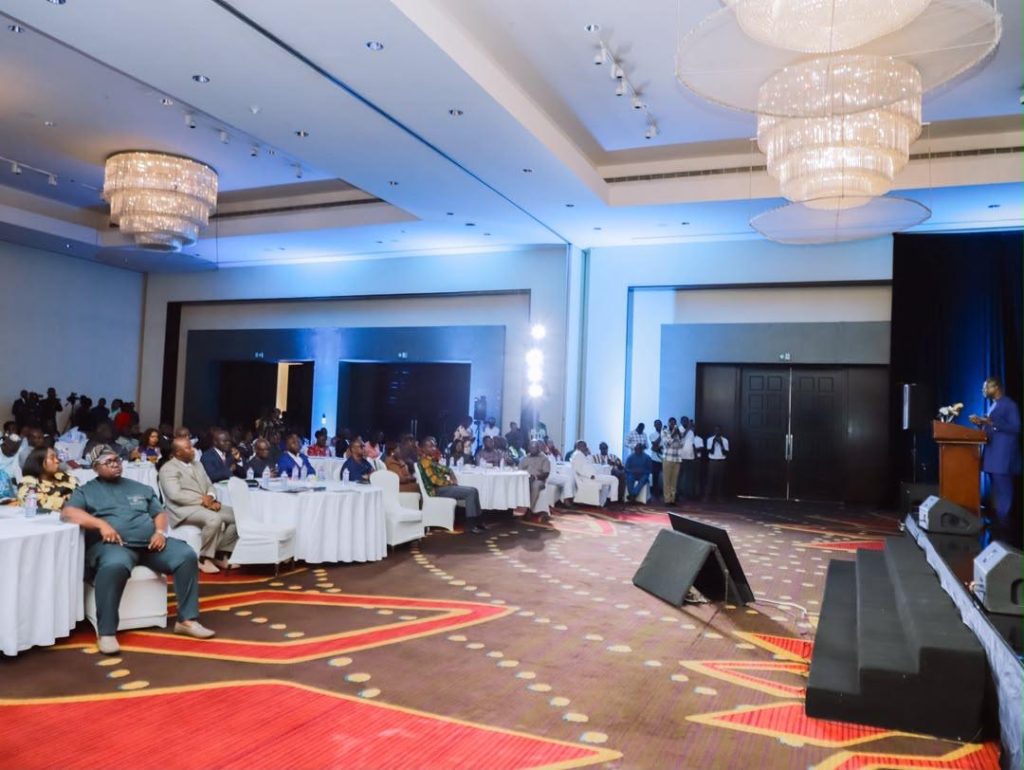
Despite challenges, Ghana has built over 50 waste treatment and composting facilities over two decades, with local firms now exporting expertise to Kenya, Ethiopia, and other African nations. The sector has created thousands of jobs and improved public health outcomes.
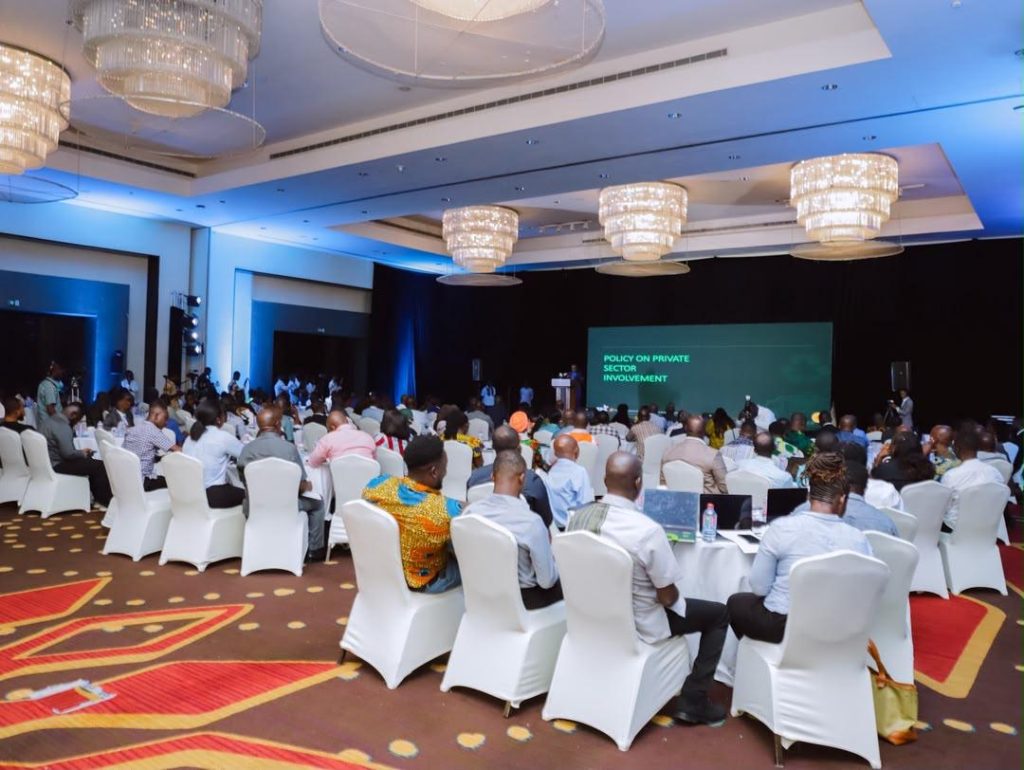
Stakeholders called for political commitment, innovative financing, and shared responsibility among government, private sector, and citizens.
They stressed that sanitation must be treated as a critical public investment, not merely a payable service.