
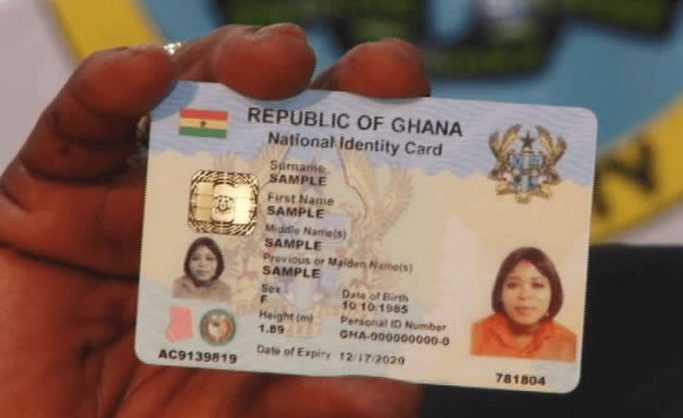
The National Identification Authority (NIA) has criminalised the photocopying and visual inspection of Ghana Cards for transactional purposes, with the gazetting of an amendment to the National Identity Register Regulations, 2012 (L.I. 2111).
The new rules, announced on July 15, 2026, establish biometric verification as the exclusive legally recognised method of identity confirmation.
Under the amended framework, organisations found guilty of non-compliance face fines ranging from GHC6,000 to GHC24,000, while individuals may be fined between GHC600 and GHC6,000, based on the current penalty unit of GHC12.
The sanctions represent a significant escalation in the NIA’s enforcement strategy, targeting both institutional and individual violations.
The amendment is the culmination of a year-long regulatory push, prompted by rising concerns over identity theft and data misuse.
In March 2025, the Bank of Ghana engaged the banking sector to clarify that photocopying Ghana Cards had never been authorised, with central bank officials warning of heightened fraud risks.
By September, the NIA had publicly signalled its intention to introduce penalties, and by October, the central bank had issued a revised Supervisory Guidance Note mandating exclusive use of the Ghana Card for customer identification, including biometric liveness checks for digital onboarding.
NIA Executive Secretary Wisdom Kwaku Deku confirmed that the latest amendment extends the biometric mandate beyond financial institutions to encompass all organisations that rely on the Ghana Card for identity verification.
He further advised entities yet to integrate with the NIA’s verification platform to expedite their onboarding processes to avoid legal exposure.
The regulatory shift reinforces the government’s broader agenda to digitise identity management and safeguard personal data, while imposing stricter accountability on both public and private sector actors handling sensitive citizen information.