The National Peace Council (NPC) has underscored the importance of informal peace structures in providing early warning information to prevent conflicts from escalating into violence.
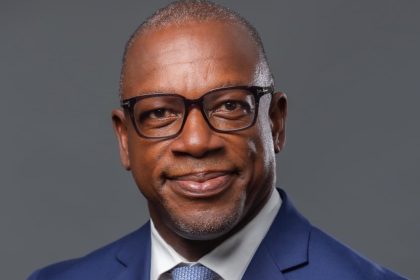
The Reverend Dr Emmanuel Badu Amoah, Ashanti Regional Executive Secretary of the NPC, said community-based actors, including religious leaders, traditional authorities, local watchdog committees and other influential individuals, often had access to vital information on emerging tensions long before such issues came to the attention of formal security and governance institutions.
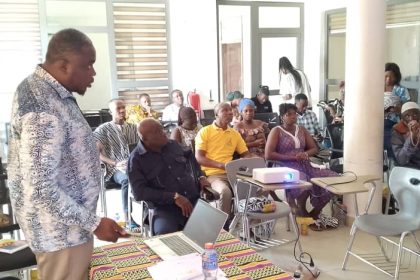
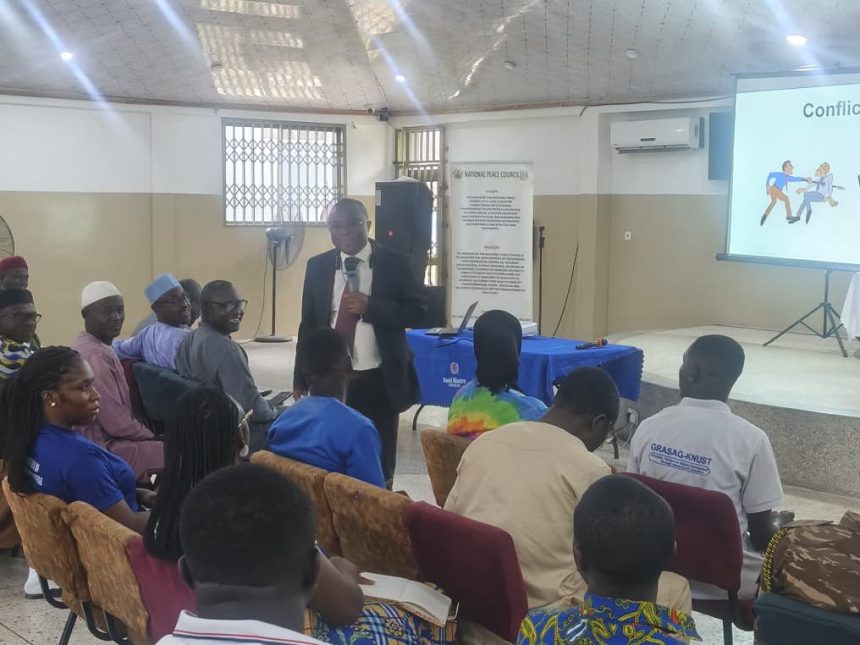
He was speaking at a training programme for peace ambassadors drawn from 12 constituencies in the Ashanti Region.
Rev Dr Badu Amoah said although Ghana had established formal peace and security structures, informal networks within communities remained a critical source of information for identifying potential conflicts and facilitating timely interventions.
“Somebody in the community may tell you that tomorrow there is going to be a confrontation between the two groups. That is an informal peace infrastructure, and that information is valuable,” he said.
He explained that during election periods, for example, community members who observed activities such as the destruction or removal of campaign posters, or other developments likely to heighten tensions, could alert the appropriate authorities for prompt action.
Rev Dr Badu Amoah said the challenge was to strengthen coordination between informal peace structures and the formal peace architecture to ensure that information gathered at the community level was properly assessed and acted upon before conflicts escalated.
He said the training programme was designed to equip participants with the knowledge and skills needed to identify early warning signs, understand conflict issues, and support intervention efforts.
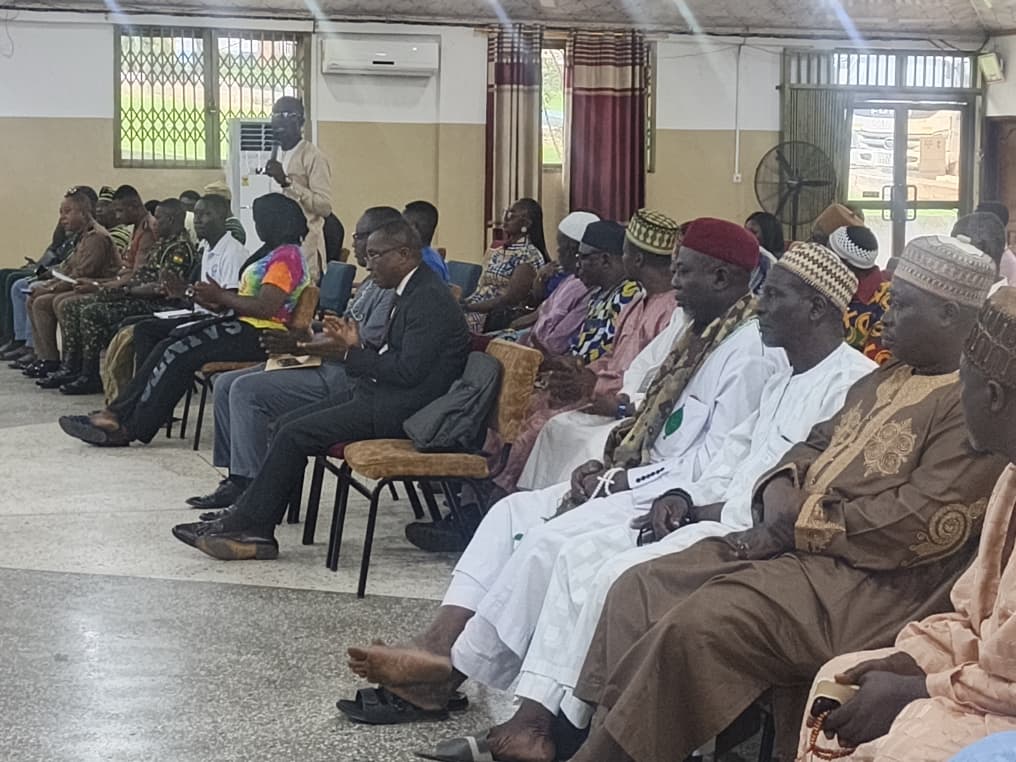
Participants included religious leaders, representatives of community watchdog committees and personnel from the Ghana Police Service, Ghana Immigration Service and Ghana National Fire Service.
Rev Dr Badu Amoah said religious leaders were particularly important to the initiative because of their influence within communities and their ability to promote peaceful coexistence and mediate disputes.
He said the Council sought to build a network of peace ambassadors who would make peacebuilding an intentional part of their responsibilities and serve as representatives of the NPC in their respective communities.
According to him, the ambassadors would help address issues such as drug abuse, family disputes, communal tensions, and other emerging conflicts, while promoting the values of unity, tolerance and peaceful coexistence.
“Our purpose is that if something is happening that can escalate into violence, we will not allow it to happen. We want to start the process of resolving the issue and dealing with it before we get to violence,” he said.
Rev Dr Badu Amoah said strengthening community-level early warning systems was essential to protecting Ghana’s peace and stability and preventing conditions that could create opportunities for violent extremism and terrorism.
He said the NPC would continue to engage religious and community groups to expand the network and ensure that relevant information from communities reached the appropriate institutions in a timely manner.
GNA