Young people have been urged to take a leading role in Ghana’s transition to a circular economy by driving sustainable innovation and entrepreneurship to secure long-term economic and environmental benefits.
Experts say active youth participation is critical to ensuring a smooth transition that delivers lasting economic opportunities, job creation, resource efficiency, and a cleaner environment for future generations.
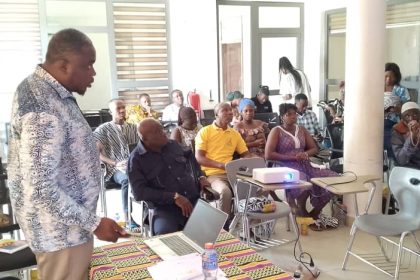
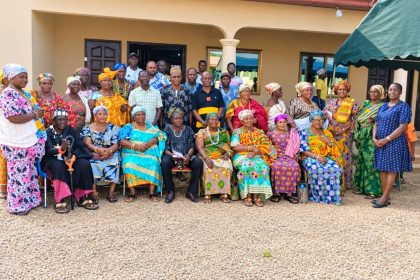
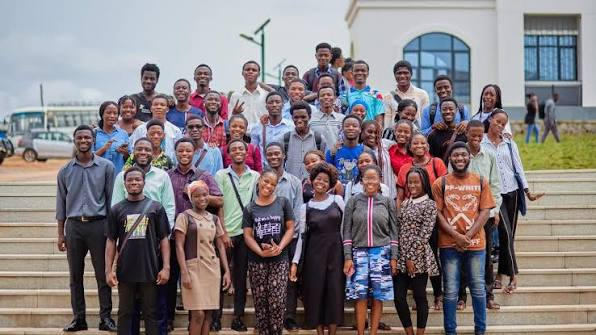
The call was made at a programme organised by the Ghana Circular Economy Centre at the Ho Technical University (HTU) to commemorate this year’s International Youth Day under the theme: “Youth Shaping Ghana’s Circular Economy: From Ideas to Action.”
Mr Richmond Quayson, Venture Studio Lead Expert at the Ghana Circular Economy Centre, said Ghana’s transition to a circular economy required the ideas, creativity, energy, and entrepreneurial drive of young people.
He noted that the youth possessed the creativity, digital skills, and entrepreneurial mindset needed to address pressing economic and environmental challenges.
Mr Quayson encouraged young people not to see themselves merely as beneficiaries of the circular economy transition but as co-creators, innovators, entrepreneurs, and leaders of the process.
He said successful implementation of the circular economy agenda depended on strong collaboration among government, academia, the private sector, civil society organisations, and the youth.
According to him, numerous opportunities existed for young people to establish businesses, create jobs, and develop innovative solutions while contributing to environmental sustainability.
The opportunities, he said, spanned sectors such as waste management, recycling, sustainable agriculture, fashion and textiles, plastics management, technology, and green entrepreneurship.
Mr Quayson commended HTU for its partnership with the Centre, saying it continued to provide a platform that linked knowledge, innovation, skills development, and entrepreneurship to the practical needs of Ghana’s circular economy transition.
Mr Stephen Joy Turkson, Commercial Manager of Asa Nwura Company Limited, said waste should not be viewed as useless material but as a hidden economic resource.
He challenged young people to identify inefficiencies within their communities, develop innovative solutions, and build sustainable enterprises around them.
Mr Turkson said the youth could create employment opportunities and drive environmental change by transforming waste into valuable products and services.
The Ghana Circular Economy Centre was established to support Ghana’s transition from the traditional linear economic model to a sustainable circular economy that promotes resource efficiency, waste reduction, reuse, repair, recycling, and the regeneration of natural systems.
The Centre’s project is being implemented by the United Nations Industrial Development Organisation (UNIDO) in partnership with the Ministry of Environment, Science and Technology, with funding support from Global Affairs Canada. The programme provided participants with the opportunity to interact, learn, exchange ideas, challenge conventional thinking, and develop practical solutions to support Ghana’s circular economy agenda.