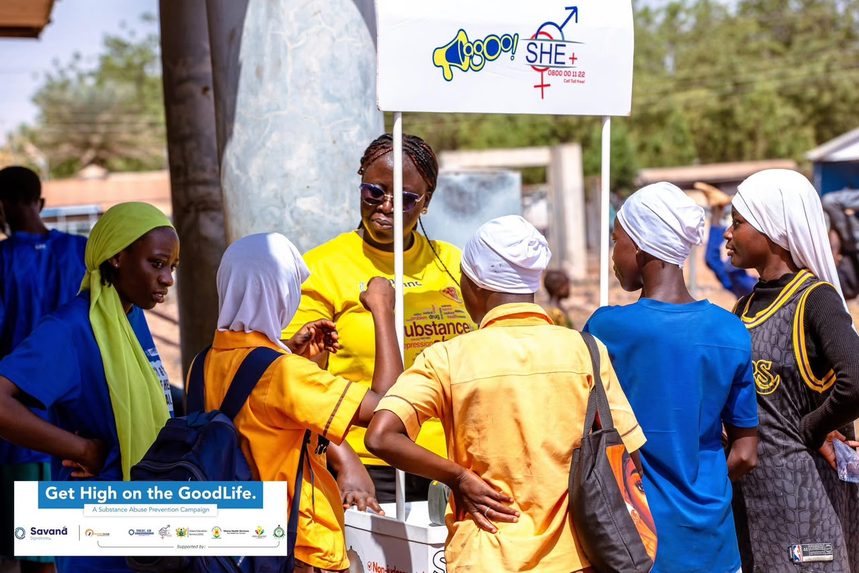
Savana Signatures, a Non-Governmental Organization (NGO), has launched a digital initiative to provide young people with confidential access to sexual and reproductive health information services.
The initiative, dubbed: “the SHE+ Helpline Chatbot”, is designed to enable young people to ask questions about sensitive reproductive health issues including contraception, menstrual health and other related concerns, and receive immediate responses through their mobile devices without necessarily disclosing their identities.
The platform seeks to address information gaps, stigma, and cultural barriers that often prevent adolescents and young people from accessing accurate sexual and reproductive health information services.
Its knowledge base draws on information and resources developed by key national and international institutions including the Ghana Health Service (GHS), Ghana Education Service (GES), United Nations Children’s Fund (UNICEF) Ghana, United Nations Population Fund (UNFPA), United Nations Educational, Scientific and Cultural Organization (UNESCO) Ghana, Oxfam in Ghana and the Planned Parenthood Association of Ghana.
Dr Stephen Agbenyo, Executive Director of Savana Signatures, addressing participants at the launch in Tamale, said the initiative came against the backdrop of persistent reproductive health challenges among adolescents and young people.
He disclosed that records from the GHS indicated that health facilities across the country recorded 53,415 adolescent pregnancies between January and July 2026 including 1,501 pregnancies involving girls aged between 10 and 14 years.
He said the Ghana AIDS Commission had also estimated that young people aged 15 to 24 accounted for 27.5 per cent of new HIV infections in 2025 underscoring need for accessible and reliable reproductive health education and information.
Dr Agbenyo said the SHE+ Helpline began operations in 2013 as a Short Message Service (SMS) platform to provide young people with access to reproductive health information and introduced a nationwide toll-free helpline in 2020 after identifying the cost of airtime as a major barrier preventing some young people from accessing the service.
The Executive Director said the introduction of the chatbot represented another step in the organisation’s efforts to leverage technology to make reproductive health information more accessible particularly to young people, who might otherwise find it difficult to seek assistance through conventional channels.
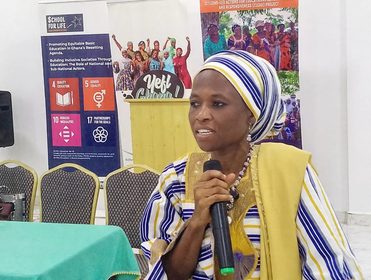
Mr Urban Akagwire, National Programme Officer for Education for Health and Well-being, Education Sector at UNESCO Ghana, commended Savana Signatures for its commitment to addressing the health information needs of young people.
He said improving access to reproductive health information was critical to achieving the Sustainable Development Goals (SDGs) particularly those related to good health and well-being by 2030 and hoped that the chatbot would provide young people opportunity to seek answers to sensitive health questions without the fear of being identified or stigmatized.
Mr Akagwire, however, urged the developers to make the platform more inclusive by considering the needs of young people with visual and speech impairments as well as autistic young people to ensure that they could also access and benefit from the service.
Mr Ampofo Amankona, Northern Regional Director of the National Youth Authority, said stigma, cultural restrictions and embarrassment continued to discourage many adolescents from seeking reproductive health information.
He gave an assurance that the Authority would support efforts to publicize the platform among young people in the Northern Region to increase awareness and usage.
Mrs Mabel Kissiwah Asafo, Acting Director of the Health Promotion Division of the GHS, said the chatbot had the potential to address misinformation about sexual and reproductive health while encouraging young people to seek appropriate healthcare services.
She said the effectiveness and sustainability of the platform would depend on the accuracy of the information provided, the protection of users’ confidentiality, ease of access, and its ability to connect users to appropriate health services when necessary.
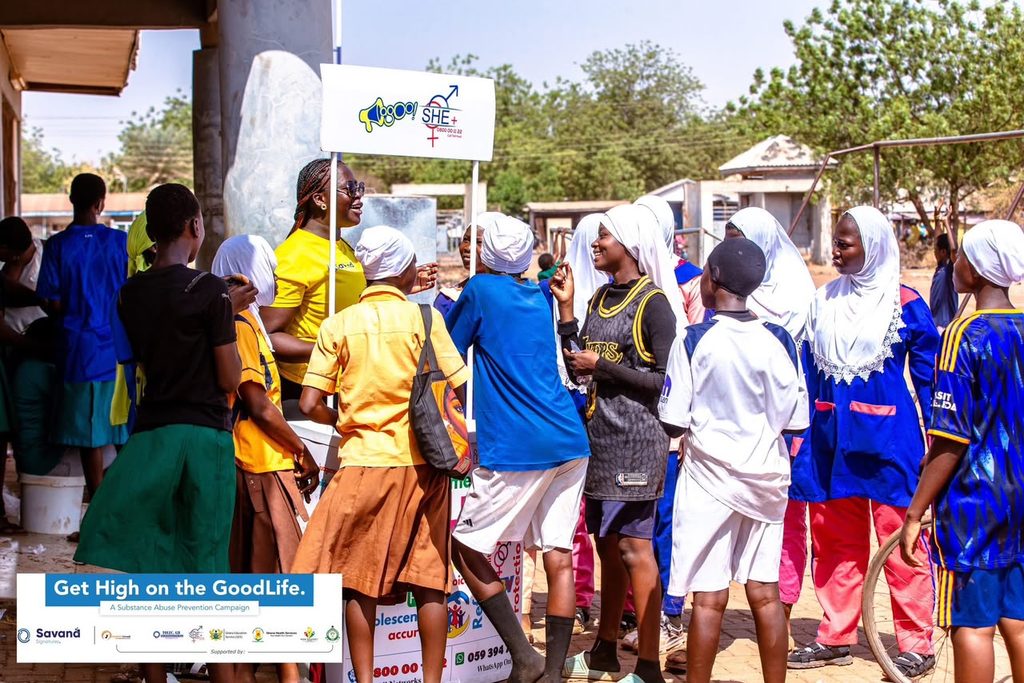
Miss Rahana Mohammed, Programme Manager at Savana Signatures indicated that the chatbot was open to the public and had the capacity to connect users directly to SHE+ Helpline attendants for real-time telephone conversations when additional assistance was required.
GNA