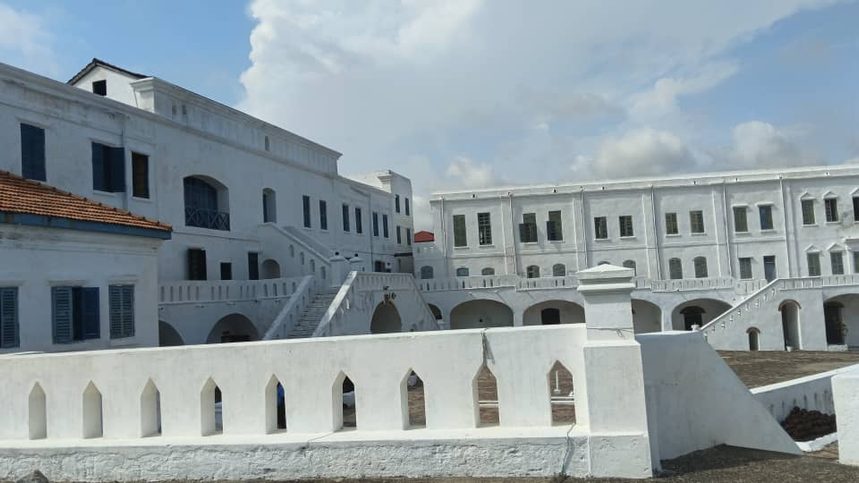
Seven years after the main museum gallery of the Cape Coast Castle was closed because of its dilapidation, the facility remains under lock and key in a state of continuous deterioration, affecting tourism activities at the historic site.
The gallery, known as the ‘West Africa Museum Project,’ was closed for seven months at the height of the COVID-19 pandemic which disrupted operations.
When it was eventually re-opened, termites had feasted on most of the exhibition panels and destroyed other artefacts, which forced authorities to lock it again for renovation.
Established in 1994, the museum gallery provides information on the pre-historic lifestyle of Africans, the Stone and Iron Ages, arrival of Europeans, the colonial era, political struggles, cultural setup, and chieftaincy among others.
It also showcases aspects of traditional festivals, funerals, occupations and other cultural practices, offering visitors a broader understanding of Ghanaian and West African history.
The Central Region Office of the Ghana Museums and Monuments Board (GMMB), Managers of the Cape Coast and Elmina Castles, described the prolonged closure as a major setback, saying the museum gallery was a key attraction for foreign visitors.
It had therefore, called for the urgent rehabilitation and operationalisation of the facility, to restore the castle to its former glory.
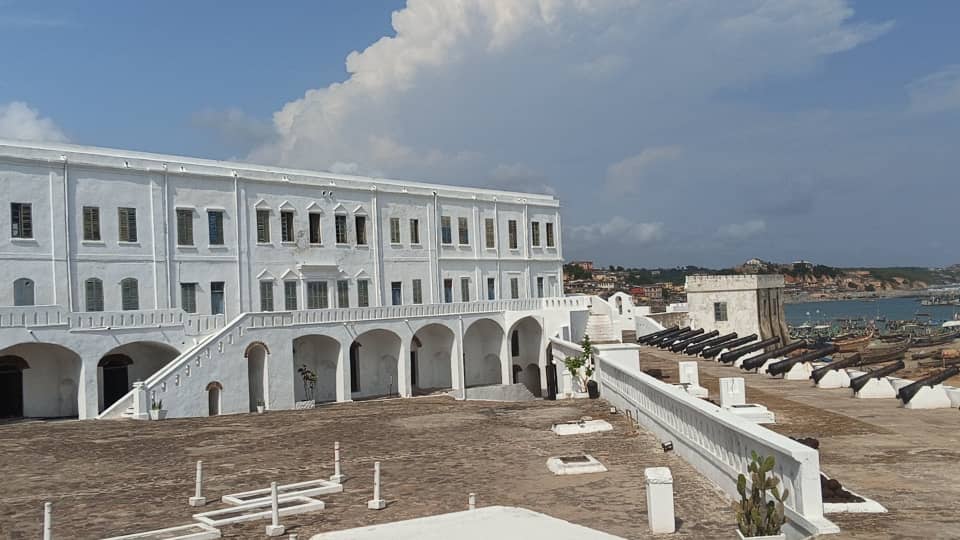
In an interview with the Ghana News Agency, Mr Robert Morgan Mensah, the Head of the Education Department, GMMB, said the closure had deprived visitors of an important part of the castle’s historical experience and reduced the site’s appeal to tourists.
He indicated that the facility had not been renovated since the damage occurred, leaving visitors without access to important historical information.
Mr Mensah recalled that a budget was prepared about two years ago for its renovation, but authorities were yet to make significant progress towards re-opening the facility, as consideration was being made on whether to undertake a renovation or a complete overhaul.
He described the closure as a major setback to tourism at both Cape Coast and Elmina castles, particularly because visitors could no longer enjoy the complete historical experience, stressing the urgent need for reopening.
Mr Mensah also identified funding constraints as a major challenge confronting the GMMB in the region, explaining that revenue generated from the Cape Coast and Elmina Castles were transferred to Accra.
He said the castles operated under the Consolidated Fund arrangement, which sometimes made it difficult for management to access funds for renovation, maintenance and other operational needs.
He appealed to the authorities to allow them to retain part of the revenue generated to support their internal operations.
Mr Mensah further appealed to the government and relevant authorities to recruit more qualified personnel to strengthen operations of the Board across the education, museum, monument, security and administrative departments.
He said the shortage of staff was becoming more pressing as the castle had extended its closing time from 1630 hours to 2200 hours, to accommodate visitors interested in evening tours.
Despite the challenges, Mr Mensah said the Education Department was prepared to receive visitors during the Christmas season, having trained service personnel, interns and other staff to conduct guided tours effectively.
Touching on visitations, Mr Mensah said domestic tourism had grown considerably, with Ghanaians accounting for about 74 per cent of the 140,209 visitors recorded at the castle in 2025, compared with 123,000 in 2024.
As of November 20, 2026, the facility had recorded about 93,000 visitors, with management hoping to exceed 100,000 by the end of the month.
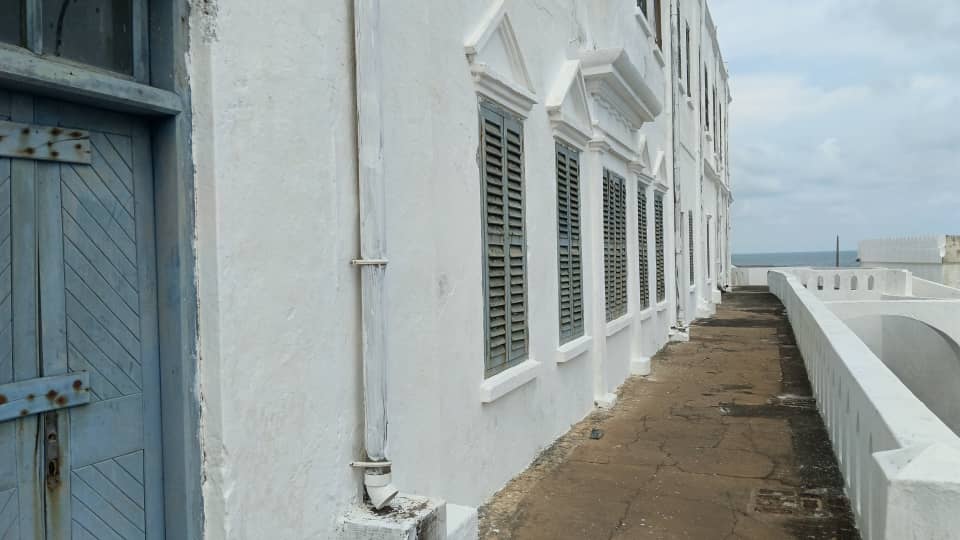
Mr Mensah attributed the growing interest in the castle partly to increased awareness of tourism and the inclusion of heritage sites in educational and recreational activities by schools, corporate organisations and individuals.
GNA