The Bank of Ghana (BoG) has announced the forthcoming introduction of an upgraded series of Ghana cedi banknotes, designated the Heritage Series, which will replace the current designs in circulation from November.
The Governor of the Bank of Ghana, Dr Johnson Pandit Asiama, announced this at the 132nd Monetary Policy Committee (MPC) press conference held at the Bank Square in Accra on Thursday, September 24, 2026.
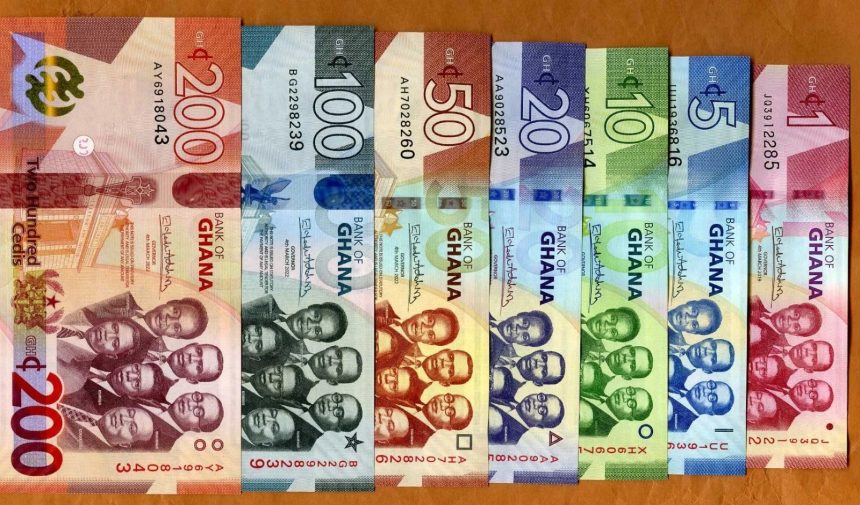
The Heritage Series will be issued in the existing denominations of GHC1, GHC2, GHC5, GHC10, GHC20, GHC50, GHC100, and GHC200.
The new notes will feature upgraded designs and enhanced security features intended to make the currency more secure, durable, and responsive to the changing demands of the economy.
According to the Governor, the introduction of the new series has become necessary because the existing core designs have been in circulation for over two decades, during which time technology and security standards have evolved considerably.
The Heritage Series is therefore intended to strengthen protection against counterfeiting, improve the durability of banknotes, and make currency management more efficient and cost-effective, while celebrating the nation’s heritage, culture, national heroes, and identity through modern designs.
Dr Asiama confirmed that the new notes will co-circulate with the existing banknotes, which will remain legal tender.
He therefore advised the public not to rush to exchange or withdraw their current notes solely on account of the introduction of the new series.
He further stated that the exercise would be similar to the currency re-denomination programme previously undertaken by the country, although existing notes will continue to circulate alongside the new ones.
The Governor indicated that the Bank of Ghana will publish a detailed programme for the introduction of the new notes and communicate the necessary modalities to the public ahead of the official launch on November 3, 2026.
Thursday’s announcement was intended to provide the public with early information and allow adequate preparation before the new notes are issued.
In addition, Dr Asiama appealed to businesses, traders, and financial institutions to handle banknotes properly, urging the public to refrain from practices such as crumpling, writing on, or stapling banknotes, as well as using them for decorative purposes, including money bouquets, showering, or spraying.
He noted that proper handling would preserve the quality of banknotes, reduce replacement costs for the central bank, and support efficient currency management.