The Securities and Exchange Commission (SEC) has reaffirmed its commitment to deepening inclusive access to Ghana’s capital market through low-cost investment schemes, micro-investment products, crowdfunding and digital platforms, particularly for first-time and small-scale investors.
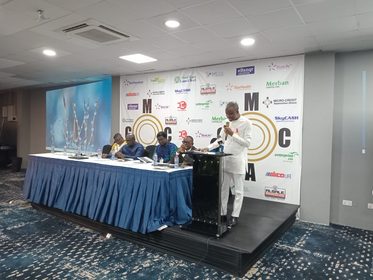
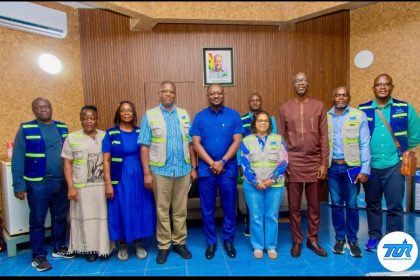
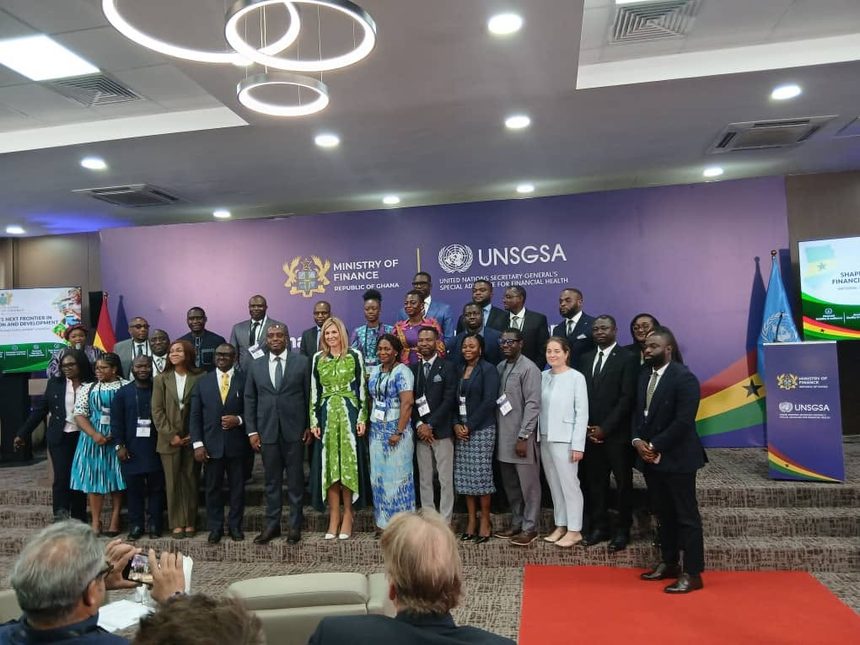
Dr James Klutse Avedzi, Director-General of the SEC, gave the assurance at the inauguration of a Technical Committee for the country’s second National Financial Inclusion and Development Strategy (NFIDS) in Accra on Thursday.
He said the Commission fully supported efforts to build a more inclusive, resilient and sustainable financial ecosystem in which no one was left behind.
Dr Avedzi said although Ghana had achieved 80 per cent financial access, largely through digital wallets, only 22 per cent of the population was financially healthy.
Many women, rural dwellers, informal sector workers and smallholder farmers were still excluded from the formal financial system, he noted.
Dr Avedzi said the SEC would ensure that the capital market played a central role in expanding investment opportunities for ordinary Ghanaians, while facilitating access to capital for small and medium-sized enterprises (SMEs) and microfinance institutions.
“We’ll do that by collaborating across the financial sector, working hand in hand with the Bank of Ghana, the National Insurance Commission, the National Pensions Regulatory Authority and all stakeholders,” he said.
The Commission, he said, would also promote investment in sustainable financial products to drive inclusive economic growth, making capital market operations a development priority and a shared national responsibility.
Beyond expanding access, Dr Avedzi said the SEC would intensify investor education and financial literacy campaigns to equip Ghanaians with the knowledge and confidence to make informed financial decisions.
He also pledged to strengthen investor protection through robust regulatory and enforcement frameworks to safeguard the savings and investments of all investors, particularly vulnerable groups.
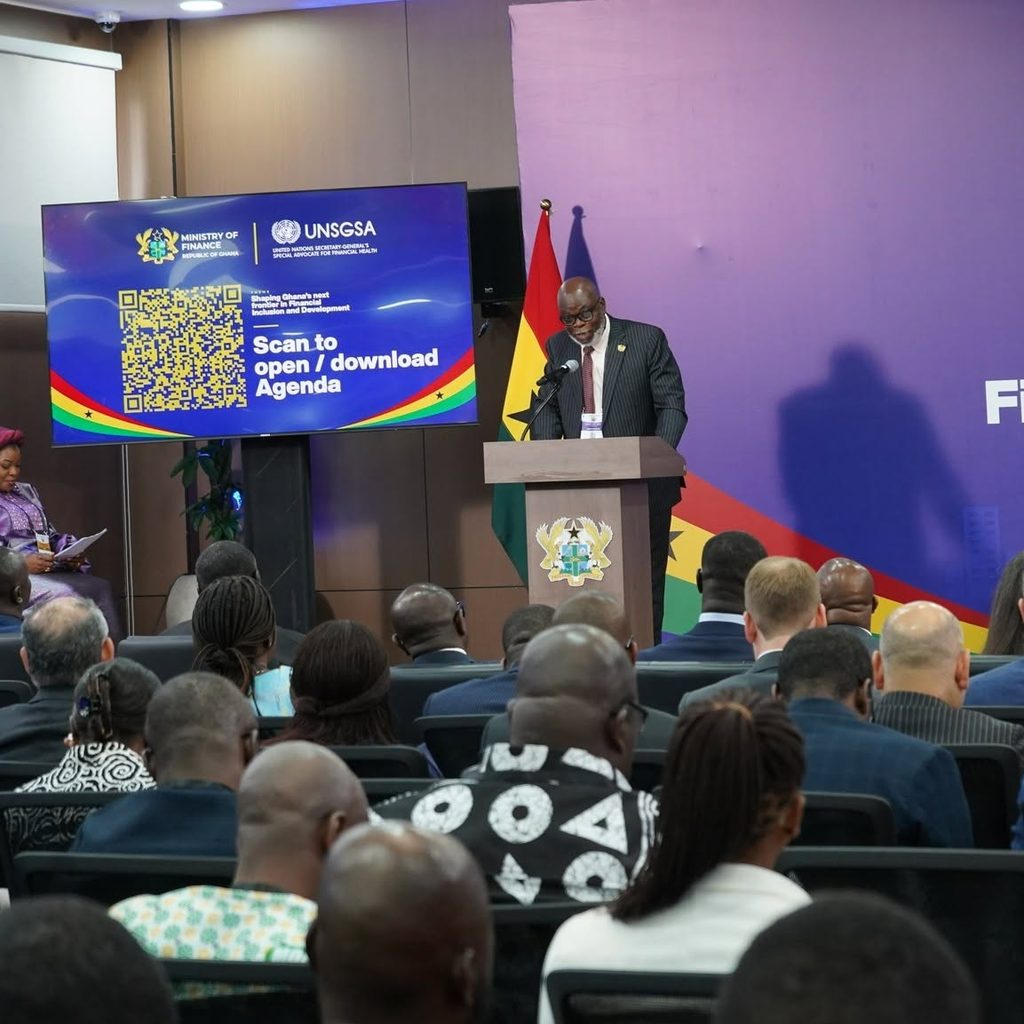
Meanwhile, members of the Diplomatic Corps have pledged their support for the development and implementation of Ghana’s second financial inclusion strategy (2027–2031).
The strategy seeks to expand access to savings, credit, insurance and secure payment services, while creating jobs, promoting entrepreneurship and driving economic growth.
Ms Janine Walz, Deputy Swiss Ambassador to Ghana and Head of Cooperation, reaffirmed Switzerland’s commitment to supporting Ghana’s efforts to develop a well-functioning and inclusive financial sector as a foundation for sustainable development.
The previous strategy, which covered 2018 to 2023, recorded significant gains in expanding access to credit, savings, payment and insurance services for underserved groups, supported by reforms such as mobile money interoperability and the introduction of the Ghana Card.
The second strategy is expected to build on those gains, with the Government placing financial health at its centre to ensure that access to financial services translates into improved livelihoods, greater economic security and wealth creation.
GNA