
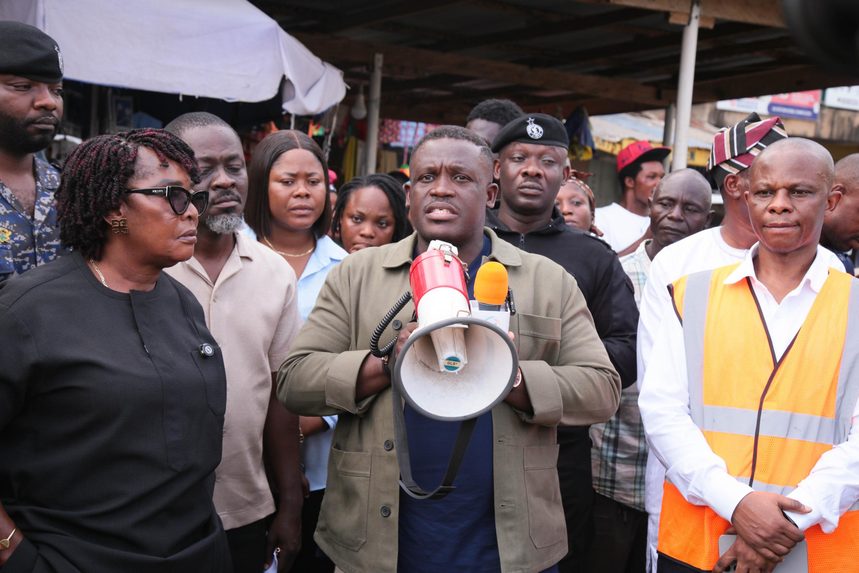
Mr Samuel Nartey George, Minister for Communications, Digital Technology and Innovations, has urged communities across the country to support the construction of new cell sites to improve network quality and expand connectivity.
He said Ghana currently required about 6,000 new cell sites to bridge network gaps, particularly in rapidly developing communities and areas where existing rural telephony infrastructure was inadequate.
Mr George made the call when he engaged station masters, drivers and traders at the Koforidua-Kumasi lorry station on Friday, September 4, as part of his tour of rural telephony sites in the Eastern Region.
The engagement was organised to address concerns raised by some drivers and traders over the erection of a telecommunications mast at the station.
The Minister said many communities continued to experience poor network connectivity due to the absence of well-established cell sites, noting that some areas still relied solely on rural telephony facilities.
“Currently in the country, we need about 6,000 new cell sites because there are some places that we visited today and what they have is rural telephony. They wish we can give them a cell site,” he said.
Mr George said the Government, in collaboration with telecommunications operators and regulatory agencies, was working to accelerate the rollout of new infrastructure to ease network congestion and improve customer experience.
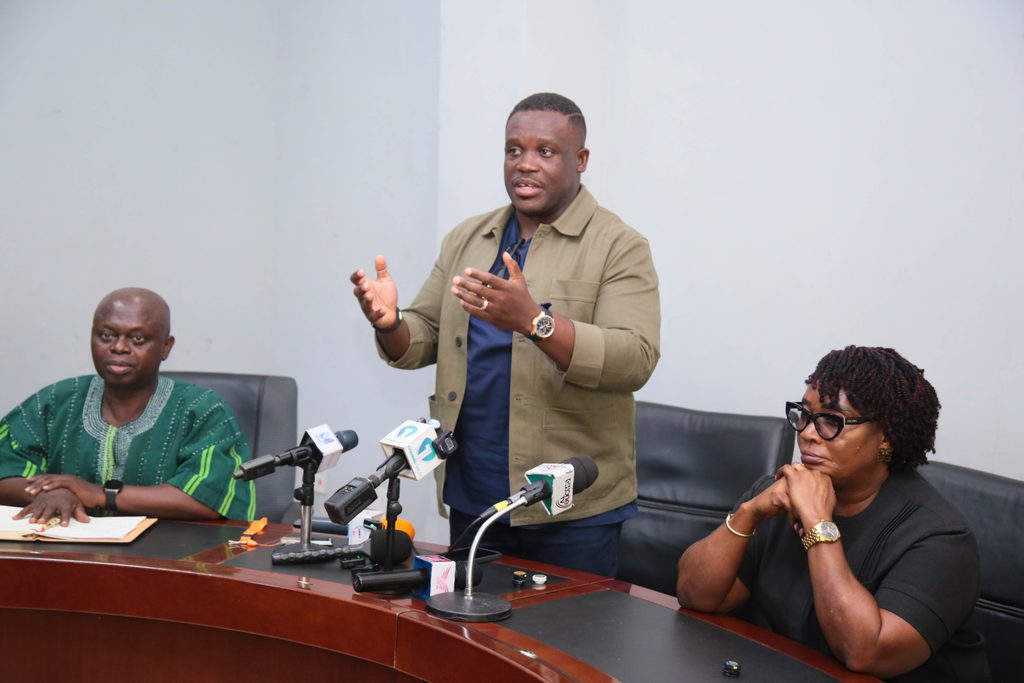
He explained that about 1,100 new sites, comprising both logical and physical sites, were being rolled out by major telecommunications operators.
MTN was constructing about 800 sites, while Telecel was undertaking about 350.
According to him, nearly 180 of the 800 MTN sites had already been completed, with Government expecting close to 400 sites to be completed by the end of the year and the full rollout achieved by the first or second quarter of next year.
Mr George, however, said the pace of deployment depended partly on the cooperation of communities, explaining that the process involved site acquisition, community engagement, permits, environmental assessments, civil works and the installation of specialised telecommunications equipment.
He therefore appealed to residents to cooperate with contractors and telecommunications operators undertaking cell site projects in their communities.
“We urge them (communities) that they are coming into your communities. We are building 800 of these sites. And so once you see them in your community, please encourage them, support them so that they can complete the job quickly,” he said.
The Minister also allayed concerns about the safety of cell sites, saying the infrastructure was subject to strict regulatory standards and monitoring.
“Cell sites do not produce radioactive waste. They produce radiation, they are safe” he said, adding that the relevant regulatory institutions always ensured that the facilities complied with safety requirements.
He said the Ghana Standards Authority, the Radiation Protection Institute of the Ghana Atomic Energy Commission, and the National Communications Authority (NCA) all played key roles in safeguarding the public.
Mr George said improved network infrastructure was essential to enable Ghanaians to derive the full benefits of affordable data services and other digital opportunities.
“You’ve made data cheaper, but if people don’t have a good experience, then they don’t get the value of that,” he said.
The Minister also announced that the government was exploring a peri-urban network strategy to address connectivity challenges in rapidly expanding settlements on the outskirts of major cities, where population growth had outpaced telecommunications infrastructure.
He said Ghana faced two major challenges: congestion in urban centres and increasing demand in high-density peri-urban communities. Apart from Madina, areas such as Community 25, Amasaman and other expanding settlements had experienced rapid population growth, creating pressure on existing telecommunications infrastructure.
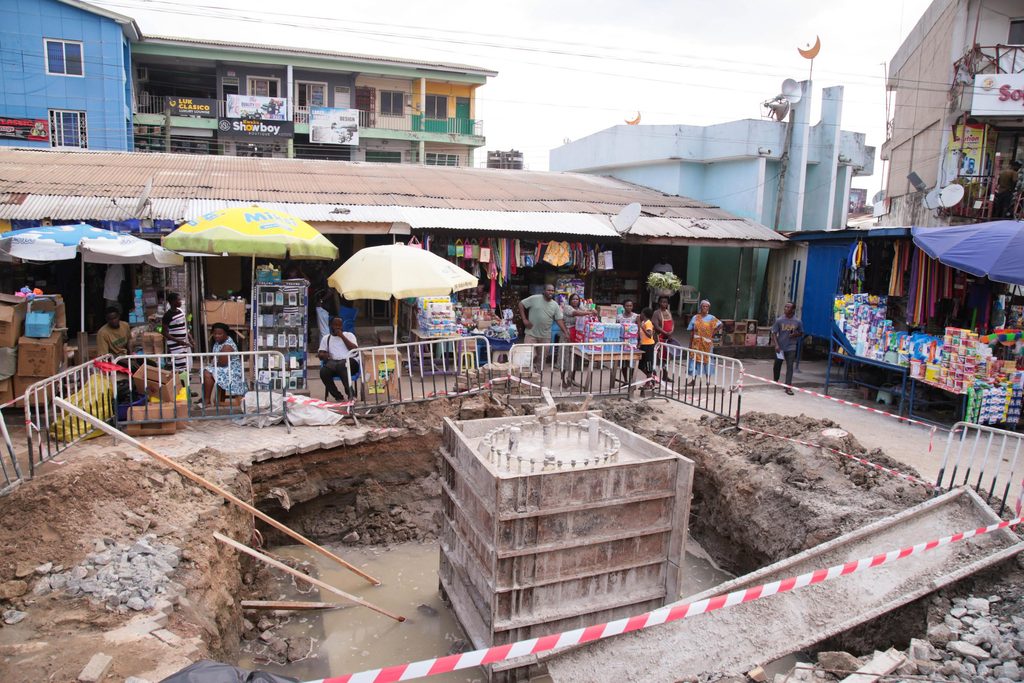
Mr George said the strategy, together with the expansion of rural and urban cell sites, would help reduce congestion and improve network quality nationwide.
The Minister visited rural telephony sites at Dunpong, Nkumkrom, Nsakye and Obosono in the Akuapem South District, as well as an ongoing cell site project at the Koforidua lorry terminal.
He was accompanied by Dr Edmund Yirenkyi Fianko, Director-General of the NCA; Mr Rashid Tanko Computer, Chief Executive Officer of GIFEC; Mrs Rita Akosua Adjei Awatey, Eastern Regional Minister; and engineers from the Ministry, the NCA and mobile network operators.
GNA