The Ghana Health Service (GHS) in the Nabdam District, has recorded significant improvements in maternal and child health indicators in the first half of 2026.
The Service also recorded increases in skilled deliveries, outpatient attendance and child immunization coverage.
Anaemia among pregnant women at 36 weeks declined from 51.82 per cent to 45.42 per cent, while skilled deliveries increased from 51.78 per cent to 58.1 per cent.
The Service recorded a rise in Outpatient Department (OPD) per capita attendance from 0.78 to 0.94, while Penta three immunization coverage increased from 68.75 per cent to 70.49 per cent.
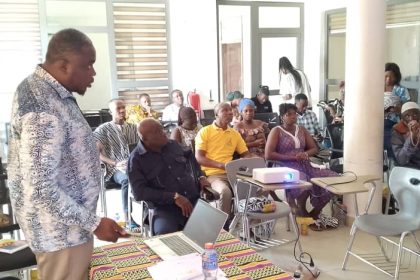
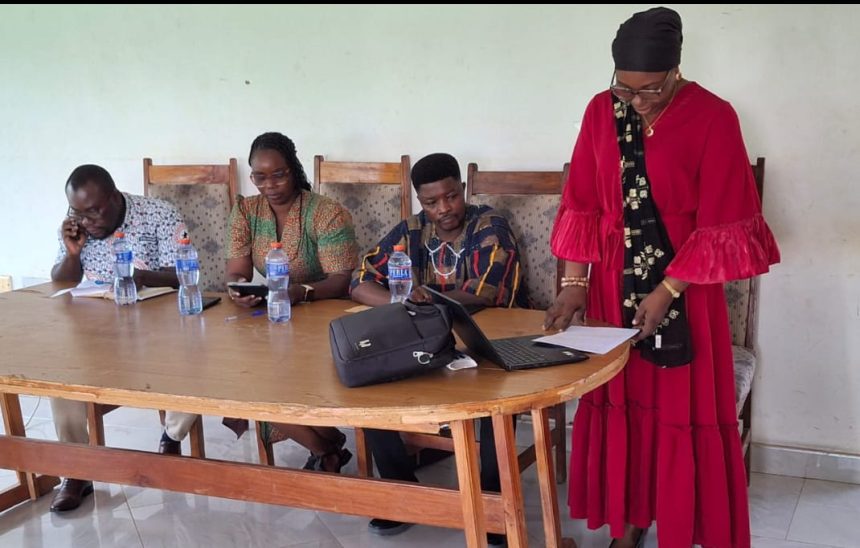
Speaking at the District’s 2026 half-year performance review meeting, Madam Sadia Salifu, the District Director of the GHS, said the district recorded zero maternal deaths during the period under review.
She said the achievements reflected the commitment of health workers, volunteers, development partners and other stakeholders despite operational challenges.
“These achievements are worth highlighting,” she said.
The review was held under the theme: “Free Primary Health Care; Improving Access, Quality and Equity for Universal Health Coverage (UHC).”
It brought together health managers, heads of health facilities, programme coordinators, sub-district heads, development partners and other stakeholders to assess the district’s performance and develop strategies to address identified gaps.
While the Director celebrated the achievements, she noted that some indicators had deteriorated and required urgent attention.
She said stillbirths increased from zero to 2.96 per cent, while neonatal deaths rose from zero to 1.49 per 1,000 live births.
Madam Salifu said Tuberculosis case notification declined from 57 per cent to 49 per cent, while the completeness of financial returns dropped from 100 per cent to 97 per cent.
“The reality is that there is still much work to be done,” she said, and called for renewed efforts to address the gaps.
She identified inadequate staff mix, poor staff attitude towards work and staff attrition as some of the major challenges affecting healthcare delivery in the district.
The Director further cited inadequate staff accommodation, insufficient space at some facilities, poor physical conditions of health facilities, inadequate means of transport and shortages of motorbikes and bicycles for community-based activities.
She appealed for stronger collaboration among the Health Directorate, Nabdam District Assembly, development partners, communities and other stakeholders to address the challenges.
“In the next half year, we must continue to focus on strengthening our healthcare systems, improving the quality of care and enhancing collaboration between various stakeholders within our district,” she said.
Madam Salifu commended the Nabdam District Assembly, Catholic Relief Services (CRS), development partners and other individuals for their support towards improving healthcare delivery.
She mentioned that the Assembly was supporting the construction of maternity wards at Gundoug and Zanlerigu, CHPS compounds at Soliga, Yakote and Logre, as well as the expansion of the District Health Directorate among others.
She disclosed that CRS provided medicines estimated at GH¢130,000, equipment and logistics, construction and the renovation support, as well as training opportunities for staff.
Four health facilities, she added, were benefiting from the construction and renovation support from CRS, with the projects at various stages of completion.
Madam Salifu noted that the introduction and launch of Free Primary Health Care (FPHC) during the year was a major policy development that would help improve access to healthcare and advance the Universal Health Coverage agenda.
GNA