More than 130,000 people are estimated to be victims of trafficking, with a significant number of these being children.
Even more upsetting is that 20,000 of the numbers constitute trafficked children and working in the fishing industry, specifically on the Volta Lake.
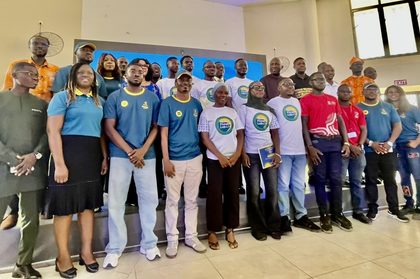
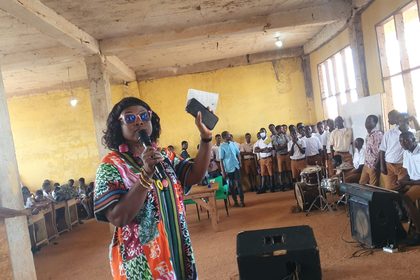
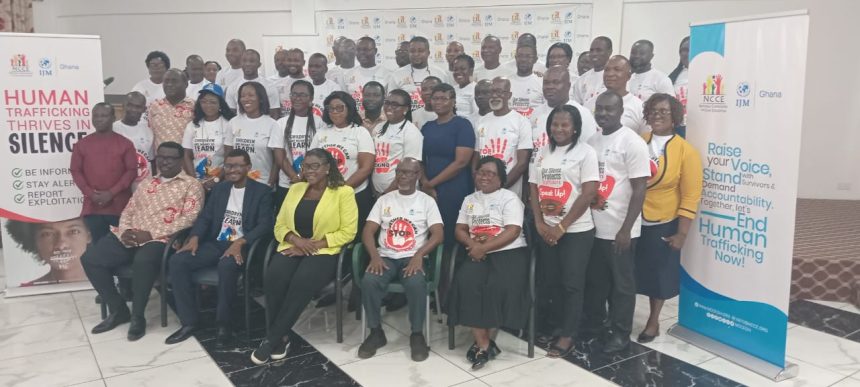
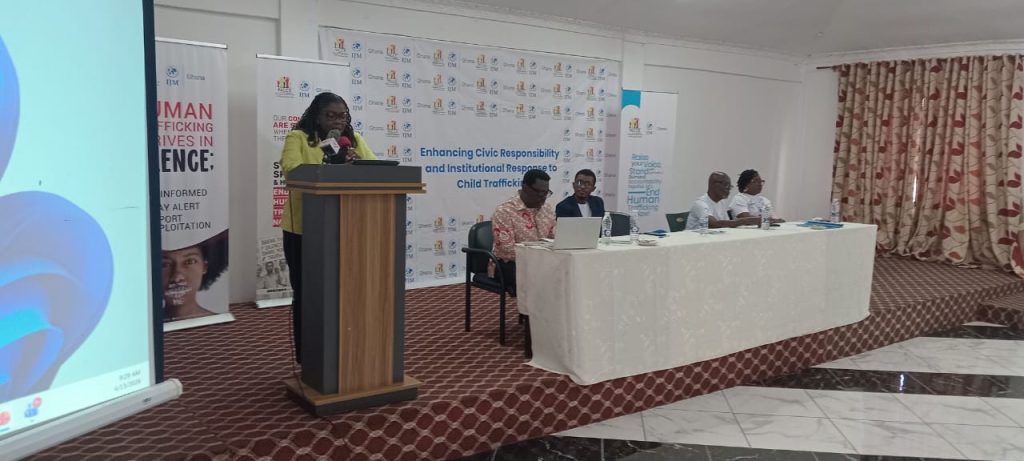
Madam Kathleen Addy, Chairperson of the National Commission for Civic Education (NCCE), made the disclosures at a sensitisation workshop for civic educators under the auspices of the International Justice Mission (IJM).
The two-day intensive capacity building workshop seeks to consolidate technical knowledge and strengthen NCCE’s frontline role in prevention, civic reporting, justice coordination, and survivor-centred response is under the theme, “Strengthening District-Level Prevention, Justice and Coordinated Response to Child Trafficking in Ghana.”
She said the numbers represented children who were forced into servitude to dive deep underwater to untangle fishing nets, working under harsh and dangerous conditions.
She emphasised that the situation was equally alarming, with about 21 per cent of children between the ages of five and 17 engaged in child labour, and 14 per cent were involved in hazardous work – conditions that exposed them to exploitation and trafficking.
She said child trafficking destroyed lives, exposed children to physical danger, emotional trauma and psychological scars that lasted a lifetime, adding, “these deny them education, strip them of their dignity, and trap them in cycles of poverty that could continue for generations with many cases remaining unreported.”
Madam Addy emphasised that despite Ghana’s strong legal and policy framework, operational gaps at district and community levels continued to undermine prevention, early identification, effective referral, and justice outcomes. In many high-risk communities, trafficking practices were normalised; early warning signs went unreported, and civic follow-through remained weak.
The Chairperson indicated that, though laws had been enacted, victims were being rescued, and perpetrators prosecuted, but fear, stigma, and silence allowed this crime to continue, with communities choosing silence over justice.
Madam Addy called for the need to strengthen enforcement, invest in child protection systems, educate families and communities, tackle poverty, inequality, and refuse to normalise.
“Let us not wait for more statistics before we act. Let us act now with courage, with compassion and commitment.”
Mr Worlanyo Kojo Forster, National Director, Advocacy and Partnerships of International Justice Mission (IJM) said in 2022 alone, IJM provided training to 365, 25 local law enforcement officers, 71 judiciary and public prosecutors, two members of social services and regulatory agencies.
He said strengthening justice systems to enforce the law deters criminals, protecting people from violence and combating commercial sex exploitation.
He said since 2015, IJM had been working with the government to ensure that issues of child trafficking were brought to the barest minimum and had now veered into the agricultural space with serious issues of child trafficking and child labour.
The focus of IJM is to build a legion of experts through institutional capacity building workshops and seminars to strengthen the justice system, work with prosecutors, use collaborative measures, create awareness, and lessen the emerging trends in organ harvesting.
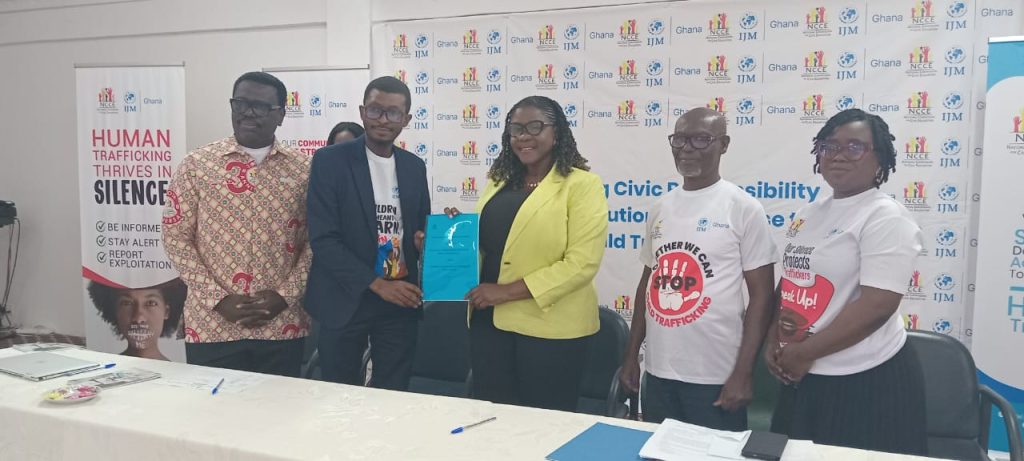
Mr Forster said IJM decided to forge a stronger collaboration with NCCE, which has well-established structures across the country, for this partnership to foster a deeper cooperation towards minimising child trafficking and child labour.
A Memorandum of Understanding was signed between the entities.
Participants were civic educators from NCCE across 10 regions and 35 districts.