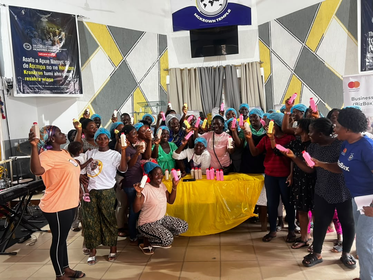
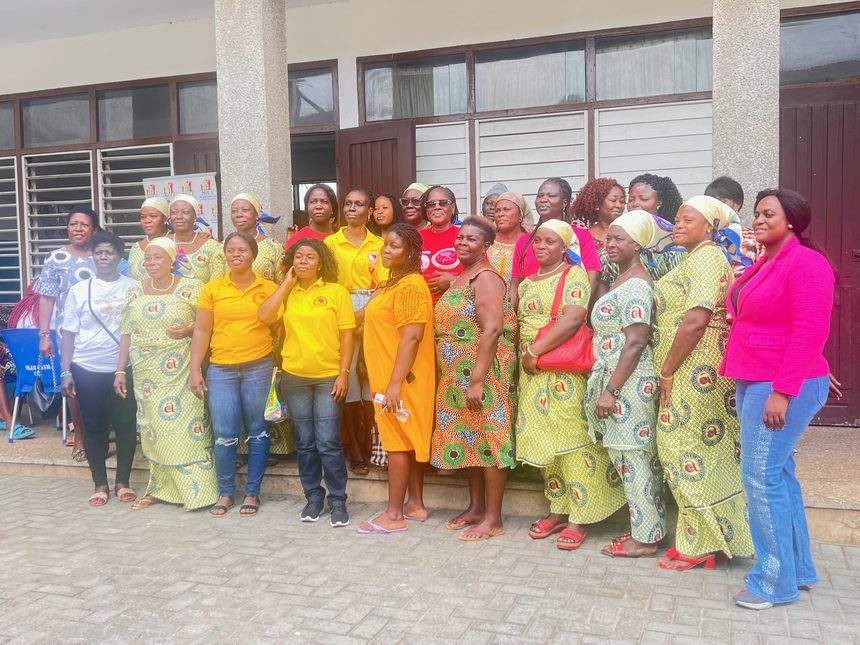
Some market women and participants at a civic engagement organised by the National Commission for Civic Education (NCCE) in Tema have raised concerns over alleged extortion and demands for unofficial payments by persons they identified as officials and people in uniform.
The concerns were raised during a town hall meeting organised under the Participation, Accountability, and Integrity for a Resilient Democracy (PAIReD) programme, supported by the German Development Cooperation (GIZ) and the Ministry of Finance.
Ms Faustina Gyekye, a market representative, recounted an alleged payment of money ¢14,000 reportedly made by her sister in connection with the Computerised School Placement System to secure placements for more than one child in a preferred school.
Ms Gyekye said the payment did not result in the desired school placements, prompting her to insist that the money be returned.
She stated that her sister was able to retrieve part of the amount from the person who allegedly collected it.
She said the incident had raised concerns about the vulnerability of parents seeking school placements and the need for citizens to use official channels rather than resorting to unofficial payments.
Another participant, Ms Adobea Gyan, a charcoal seller, also alleged that some city guards demanded money from traders whose charcoal consignments arrived by truck.
She alleged that a woman she identified as a TMA official regularly demanded money from her and her sister whenever charcoal trucks arrived, claiming that the loads had dirtied her uniform.
Ms Gyan said she eventually confronted the woman over the alleged demands.
Ms Lawrencia Gyimah, a Market Chairwoman, also expressed concern about alleged unofficial collections from market women by some city guards and called for complaints from traders to be investigated and addressed by the appropriate authorities.
Responding to the concerns, Mr Fidel Bortey, a Resource Person at the NCCE Tema Metropolitan Office, urged the market women to formally document their complaints and submit them to the Public Relations and Complaints Committee (PRCC) for appropriate action.
He said identifying and reporting complaints to the appropriate authorities would improve the chances of obtaining redress.
Ms Mildred Edinam Adzraku, a Technical Advisor at GIZ, also urged citizens not to resort to bribery as a means of resolving challenges with public institutions.
She said although official processes could sometimes be frustrating, citizens who resorted to bribery contributed to sustaining corrupt practices.
“If we, ourselves, as citizens, when there’s a challenge, the first thing you think about is how to pay a bribe, then you are encouraging them,” she said.
Mrs Emma Owusu, a Civic Education Officer, urged participants to follow up on complaints raised during the engagement instead of waiting for subsequent town hall meetings to repeat unresolved concerns.
She said timely follow-ups would enable the NCCE to track the issues raised and facilitate appropriate action.
GNA