MTN Ghana has intensified cybersecurity awareness among its workforce to counter increasingly sophisticated methods used by cybercriminals, hackers and fraudsters.
The company is equipping employees with knowledge and information-security practices to protect sensitive corporate and customer information and strengthen its first line of defence against fraud.
Madam Jacqueline Hanson-Kotei, Senior Manager in charge of Enterprise Information and Security Governance at MTN Ghana, said this during the company’s annual cybersecurity awareness engagement with staff in Takoradi.
She said the Takoradi training formed part of regional sessions aimed at deepening employees’ understanding of emerging cyber threats and responsible information handling.
The programme was also designed to ensure that staff remained abreast of changing tactics used by criminals and could transfer the knowledge gained to customers and the wider public.
“Technology is changing, and the bad guys, criminals and hackers, are also changing their ways almost every time. We therefore have to match-up,” she said.
“Awareness is fundamental to cybersecurity because people who lacked the necessary information could neither adequately protect themselves nor assist others to do so.”
Madam Hanson-Kotei said MTN employees handled company and customer information daily and had a responsibility to prevent such information from being compromised.
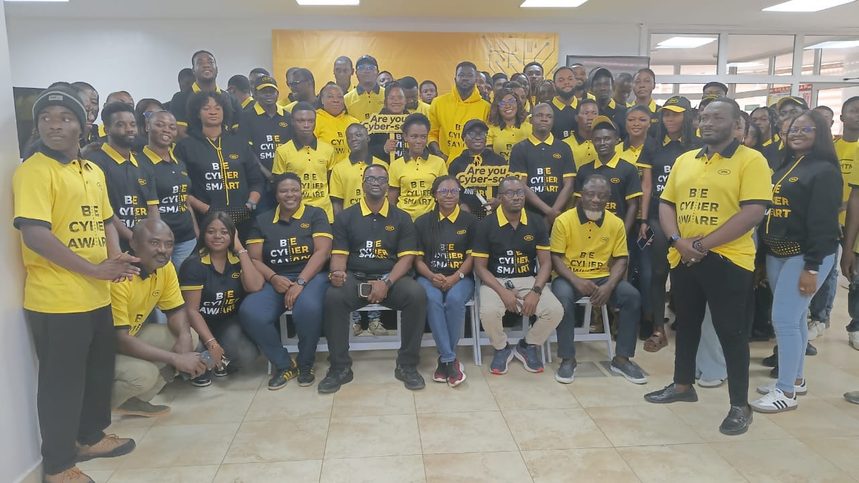
The Takoradi engagement brought together a broad section of the company’s regional operational workforce, including field activation agents, territory sales controllers and branch managers.
She said their participation was important because many interacted directly with customers and could reinforce cybersecurity messages during customer engagements.
While MTN continued to invest in systems and processes to protect its network and services, she said employees and customers remained critical to the cybersecurity equation.
“Empowering staff was the first step because a knowledgeable workforce was better positioned to recognise suspicious activities and guide customers appropriately.
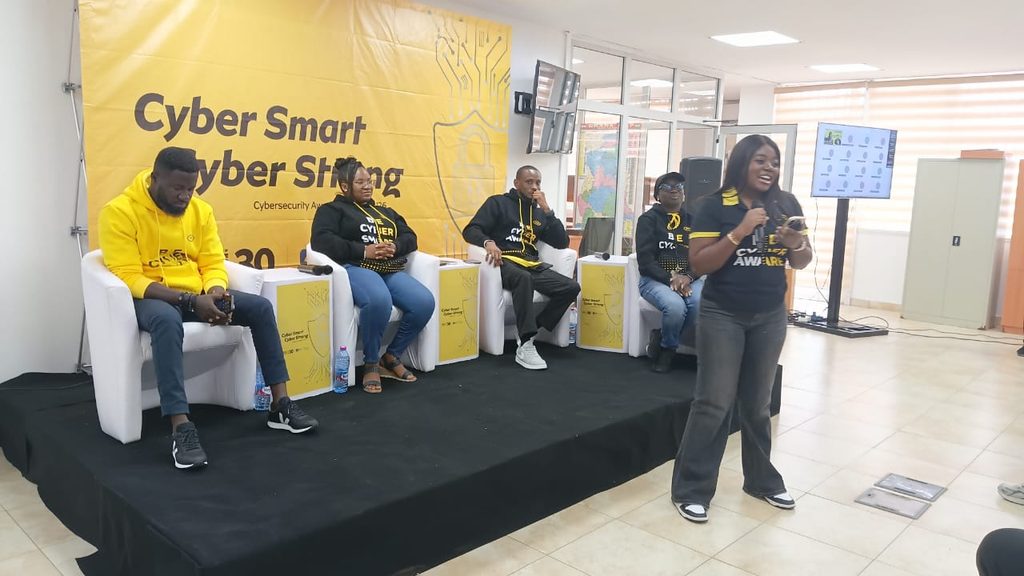
“Charity begins at home, so we must first empower our staff and ensure that they are aware before they can create awareness among others,” she said.
She said employees would use the knowledge acquired to help customers respond appropriately to different forms of fraud.
The approach was particularly important because fraudsters often targeted individuals rather than attempting to defeat sophisticated technological systems directly.
Madam Hanson-Kotei said customers remained a critical line of defence and had a major responsibility to protect their accounts and personal information.
She urged customers to keep Mobile Money (MoMo) Personal Identification Numbers (PINs) and one-time passwords (OTPs) confidential and never disclose them, including to people they trusted.
According to her, fraudsters often succeeded by manipulating customers into voluntarily providing information they were not legitimately entitled to access.
“If fraudsters were powerful enough, they would not call you to trick you into giving them your password or PIN codes,” she said.
She urged customers to exercise caution when dealing with unsolicited calls, messages or requests for confidential information.
“MTN would not call customers to request their PIN codes or ask them to give money to the company through such unsolicited interactions. Always use the company’s official channels or visit an MTN branch for clarification,” she advised.
The company, she said, was also taking cybersecurity education beyond social media platforms, particularly because some elderly people and other members of the population might not regularly use such platforms.
MTN was therefore using local languages and face-to-face engagements to explain fraud risks and respond to questions from community members.
Mr Prince Owusu Nyarko, Senior Manager for the South-West Business District, said the company’s responsibility was to maintain a reliable and secure network and ensure that its services remained available.
Customers, he added, were expected to protect confidential information entrusted to them.
“When customers remained vigilant and handled sensitive information responsibly, they help reduce opportunities for fraudsters to exploit weaknesses,” he said.
The Takoradi programme formed part of MTN’s continuing efforts to build a cybersecurity-conscious workforce capable of identifying emerging threats, protecting sensitive information and helping customers navigate an increasingly digital environment.
Mr Isaac Amoakwo, a participant, described the session as timely, saying it would help employees respond appropriately to customers’ cybersecurity concerns in the field.
GNA