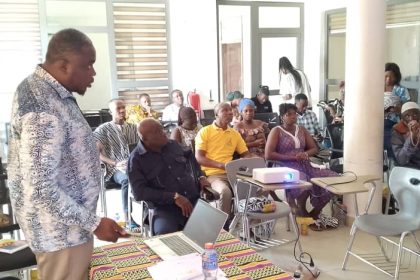
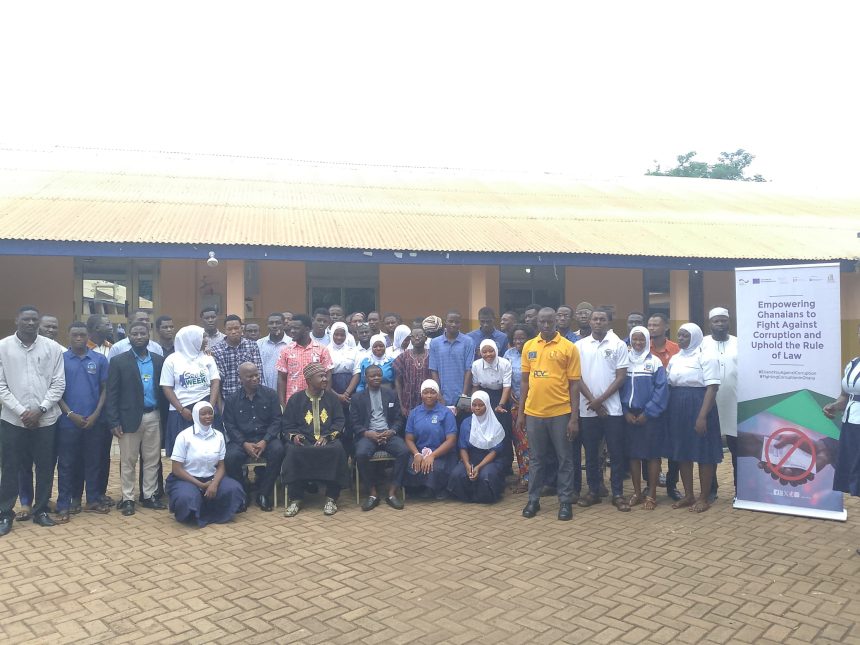
Alhaji Mohammed Aliyu, Northern Regional Director of the National Commission for Civic Education (NCCE), has called on youth leaders to champion ethical leadership, transparency, and accountability to help combat corruption and strengthen democratic governance in the country.
He said young people, particularly those occupying leadership positions in educational institutions and youth organisations, had a responsibility to uphold integrity and serve as role models in their communities.
Alhaji Aliyu made the call during a Youth Civic Engagement Dialogue organised by the NCCE in Tamale with support from the German Agency for International Cooperation (GIZ) and the European Union (EU).
The dialogue brought together student leaders from tertiary institutions and representatives of youth-focused civil society organisations to discuss ethical leadership, conflict of interest, abuse of office, influence peddling, and the role of young people in promoting good governance.
Alhaji Aliyu said the event formed part of a nationwide initiative being implemented by all 16 regional offices of the NCCE to empower young people to become responsible leaders and active participants in Ghana’s democratic process.
He said although Ghana continued to enjoy the benefits of democratic governance, growing concerns over corruption, influence peddling, selfishness, and public apathy posed serious threats to the country’s democratic gains.
He stressed that ethical leadership should begin with the positions young people currently occupied.
“If you are a youth leader today, you must ask yourself whether you are fair, just, and ethical because these qualities will determine the kind of national leader you become tomorrow,” he said.
Alhaji Aliyu encouraged participants to share the knowledge and values acquired during the dialogue with their colleagues on their respective campuses and within their organisations to promote a culture of integrity and accountability.
Mr Abdul Wahab Wasiu, an Investigator at the Northern Regional Office of the Commission on Human Rights and Administrative Justice (CHRAJ), said ethical values remained the strongest defence against corruption and abuse of public office.
He took participants through topics including conflict of interest, abuse of office, influence peddling, transparency, and accountability, stressing that youth leaders should advocate merit-based opportunities, fairness, and accountability in governance.
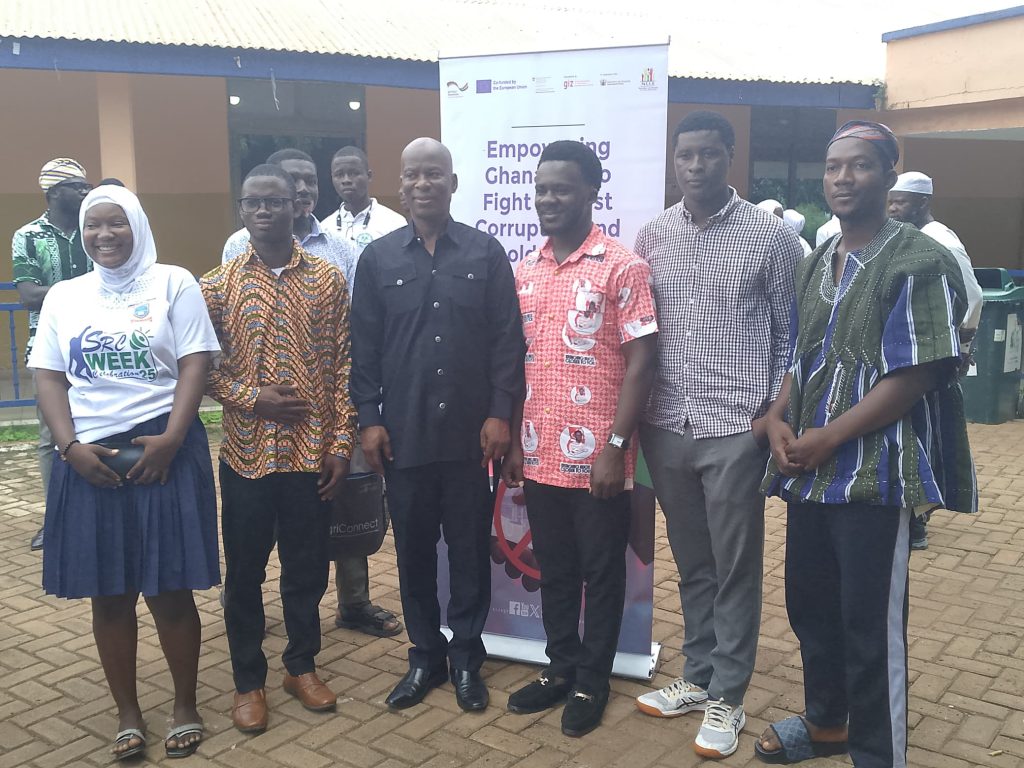
Mr Wasiu identified inadequate mentorship and financial constraints as some of the challenges confronting youth leaders, noting that without proper guidance many risked adopting the same unethical practices they sought to eliminate.
Mr Sulemana Zakaria, a youth advocate and participant in the dialogue, said the programme had broadened his understanding of civic responsibility and highlighted the importance of ethical leadership in national development.
GNA