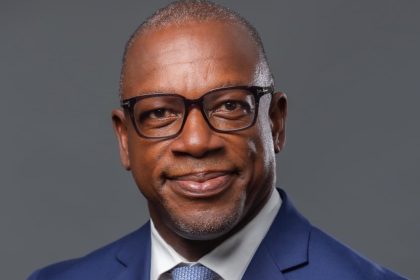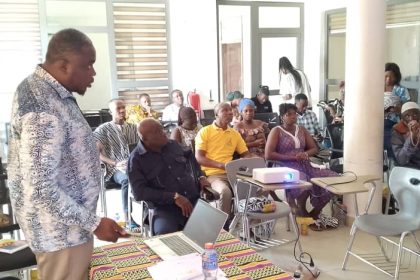
Mr Abraham Amaliba, the Director-General of the National Road Safety Authority (NRSA), has outlined a series of reforms the Authority is undertaking aimed at reducing road crashes and fatalities across the country.
The reforms include the introduction of mandatory vehicle towing, the nationwide rollout of the Traffic Tech (technology-driven traffic enforcement system), intensified public education, enforcement of helmet wearing, as well as making Regional Ministers and Metropolitan, Municipal and District Chief Executives Road Safety Ambassadors.
Mr Amaliba announced the reforms during a courtesy call on Mr Akamugri Donatus Atanga, the Upper East Regional Minister, in Bolgatanga as part of a nationwide stakeholder engagement tour.
He said the measures, which would be rolled out from next year, formed part of a broader strategy to reduce the growing number of deaths on Ghana’s roads and eliminate human interference in traffic law enforcement.
“We are aware of the rise in fatalities, and the numbers don’t look good. More people are dying through road traffic accidents than what happened during COVID. It appears we are not giving so much attention to road crashes,” he said.
The Director-General noted that the country continued to lose productive citizens to preventable road crashes, with significant economic consequences, and the Authority was determined to change the narrative.
Mr Amaliba said one of the key reforms was the implementation of Legislative Instrument (LI) 2519, which would introduce mandatory towing services for all vehicle owners.
Under the new regulation, motorists would be required to subscribe to a towing company or an insurance provider capable of towing broken-down vehicles.
“We have noticed that stationary vehicles, when they break down, have caused so many accidents and increased the fatality rate. Immediately your car breaks down, you call your insurance company or your towing company to remove it. If that fails, we will remove it and surcharge you. That is a way to reduce the carnage on our roads,” he said.
Mr Amaliba also announced the introduction of the Traffic Tech system, which would replace manual traffic enforcement with technology from next year.
He explained that speed cameras would be mounted on roads, patrol vehicles and tripods to automatically detect traffic violations such as overspeeding and jumping red traffic lights, adding that offenders would receive text notifications accompanied by a three-second video showing the offence committed before being required to pay the applicable penalty.
The Director-General said the Authority would spend the next six months carrying out nationwide public education and sensitisation before the full rollout of the new systems in 2027.
Mr Akamugri Donatus Atanga, the Upper East Regional Minister, welcomed the planned reforms and described innovation as key to addressing the country’s road safety challenges.
“I am happy that you are thinking outside the box and trying to bring in innovations so that we can address the issue,” he said.
The Minister pledged the Regional Coordinating Council’s support for the implementation of the new measures and called on all influential persons, not only politicians, to refrain from interfering with traffic law enforcement.
He also appealed to the NRSA to facilitate the repair of faulty traffic lights in the region, particularly in Bolgatanga, Navrongo, Sandema and Bawku (the four municipal capitals), to improve road safety and support security operations in the region.
The Minister identified the lack of helmet use among many motorbike riders in the region as one of the major causes of fatalities resulting from road crashes and urged the Commission to add enforcement to the education campaign to help reduce the canker.
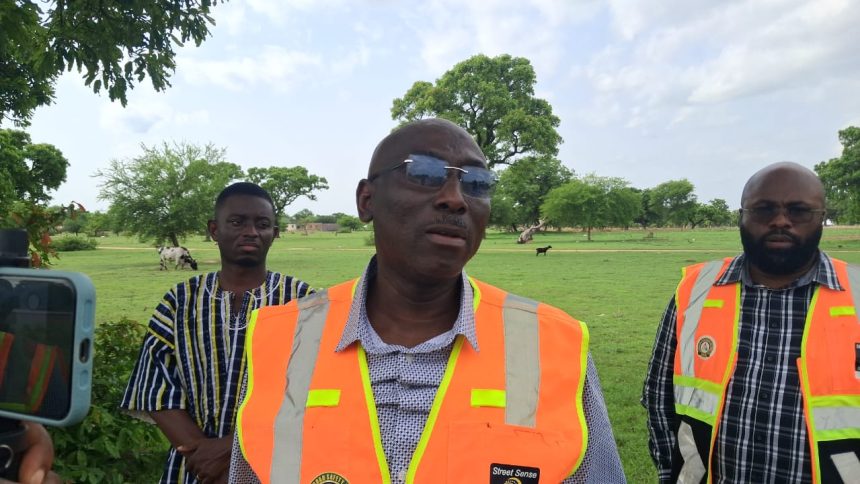
The Director-General, who was accompanied by Mr Martin Afram, Director of Planning and Programmes, Mr Denis Yeribu, Deputy Director of Programmes, and Mr Eric Anokye Fordjour, Acting Upper East Regional Head of the NRSA, also visited Mr Roland Atanga Ayoo, the Bolgatanga Municipal Chief Executive, the Ghana Police Service, and Sumbrungu-Anateem, a crash-prone area.
GNA