
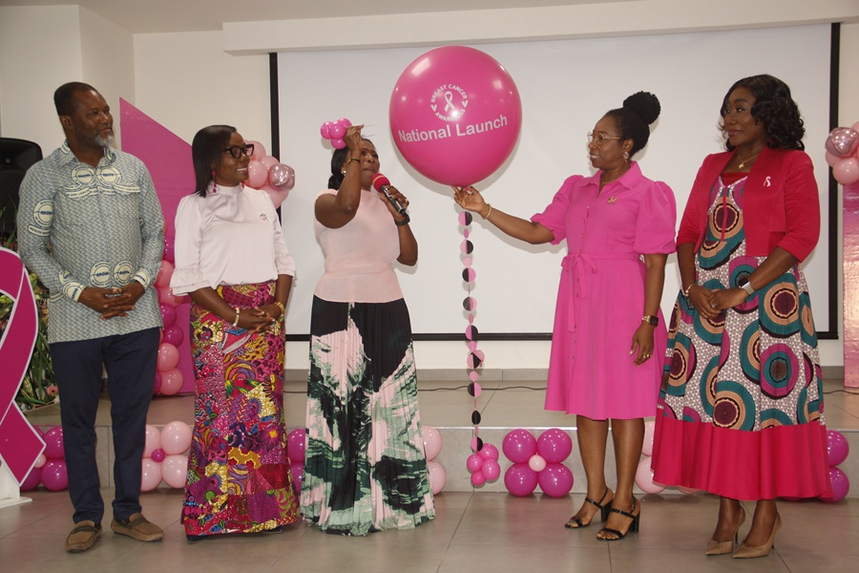
Mr Roger Tandanbil, the Head of the Paediatric Oncology Unit at the Upper East Regional Hospital in Bolgatanga, has advised women to seek prompt medical attention for unusual breast lumps or changes, stressing that painless lumps should not be ignored.
He said although most breast lumps were not cancerous, professional assessment was necessary to rule out cancer and ensure early treatment where needed.
“Most breast lumps are not cancer, but any abnormal lump should be checked by a health professional, even if it doesn’t hurt you,” he advised.
Mr Tandanbil gave the advice in an interview with the Ghana News Agency, as part of activities marking the Breast Cancer Awareness Month at the hospital.
October is observed annually as Breast Cancer Awareness Month, to raise public awareness of the disease to promote early detection and treatment, and this year’s theme is “Early Action, Better Outcomes.”
As part of the observance, the hospital is organising a month-long breast cancer screening exercise for members of the public.
Mr Tandanbil identified warning signs of breast cancer to include changes in breast size, shape or appearance, skin dimpling, redness, sores, nipple inversion, nipple retraction and abnormal or bloody nipple discharge.
He also cautioned that breast skin resembling an orange peel could signal an underlying problem requiring medical attention.
He said early detection significantly improved treatment outcomes, while late diagnosis could limit treatment options, “When cancer is detected early, you have good treatment outcomes, and it helps save our mothers from dying,” he said.
Mr Tandanbil explained that the absence of pain in the early stages of breast cancer often caused women to overlook symptoms until the disease had advanced.
He, therefore, encouraged women to take advantage of the ongoing free screening exercise at the hospital and other health facilities to know their breast health status.
“This is an opportunity for our mothers, sisters and aunties to avail themselves for screening and know the state of their breasts. It will not take much of their time; at least 10 minutes and they are done,” the oncology nurse specialist said.
He added that health workers in the Upper East Region had been encouraged to screen women and educate them on breast self-examination, particularly at health facilities, to promote early detection.
Although breast cancer occurs predominantly in women, Mr Tandanbil noted that men could also develop the disease and should seek medical attention when they noticed unusual breast changes.
He disclosed that the hospital’s management was working towards establishing chemotherapy services to improve access to cancer treatment in the region.
He urged members of the public to remain vigilant, pay attention to changes in their breasts and seek medical care promptly rather than wait for pain to develop.