Professor Edward Wiafe Debrah, Pro Vice-Chancellor of the University of Environment and Sustainable Development (UESD), has called for research into converting aquatic weeds harvested from the Volta Lake into organic compost to support sustainable agriculture.
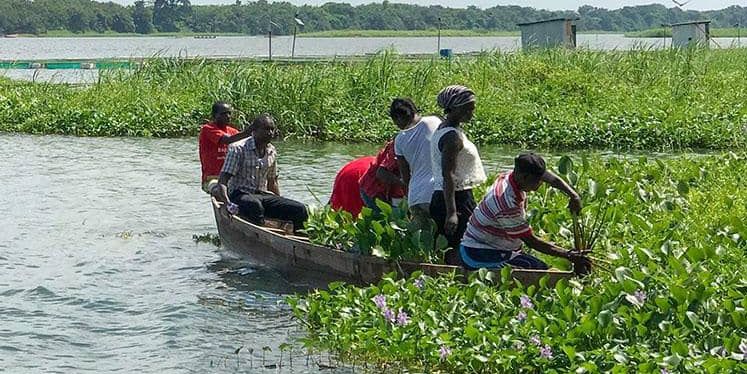
He said the weeds, which posed challenges to water transportation and aquatic ecosystems, could be harvested and processed into useful agricultural products after their nutrient composition had been established through laboratory analysis.
Prof. Wiafe Debrah, a Conservation Biologist, made the proposal in an interview with the Ghana News Agency at Somanya, suggesting that the weeds could be combined with other organic waste materials, including plantain peels, leaves and cassava peels, to produce quality compost.
He said the initiative could promote the use of organic fertilisers and reduce farmers’ reliance on synthetic fertilisers for crop production.
Explaining the factors contributing to the proliferation of aquatic weeds, he said rivers were dynamic systems whose currents transported vegetation from one location to another, while the slowing of water flow downstream allowed the weeds to accumulate.
He identified the disposal of waste into the water by residents along the river as one of the human activities contributing to the problem, explaining that such waste introduced nutrients into the water and supported the growth of aquatic vegetation.
“Some fish species feed on aquatic vegetation, while other aquatic animals prey on fish, making biodiversity conservation important in maintaining ecological balance and regulating the population of species within the lake,” he said.
The Conservation Biologist also expressed concern about the high cost of mechanical weed removal and dredging, saying the operations required expensive equipment and could place a significant financial burden on the country.
He said the Volta River Authority (VRA), which undertook weed-clearing exercises on the lake to facilitate the movement of water towards the estuary at Ada, operated within budgetary constraints.
The Pro Vice-Chancellor also raised concerns about fishing practices that could affect aquatic vegetation and biodiversity, citing the use of the ‘atigya’ fishing method, in which fishermen cut vegetation, place it in the water and cover it with nets to attract and capture fish.
He said the practice could result in the capture of immature fish and contribute to the accumulation and decomposition of vegetation in the water.
He called for responsible management of the Volta Lake and measures to address human activities that placed pressure on the water body, which supported numerous communities and economic activities.
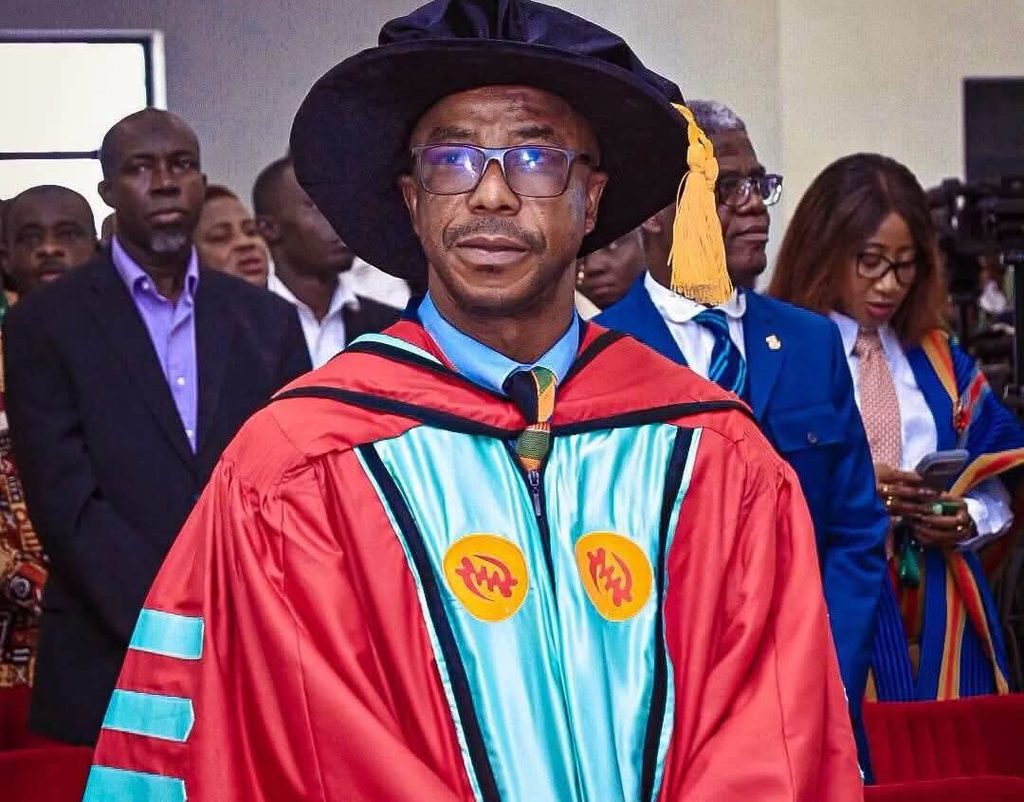
Prof. Wiafe Debrah said sustainable management required a combination of scientific research, biodiversity conservation, responsible fishing practices and the exploration of alternative uses for harvested aquatic weeds.
GNA