Mrs Daniella Mawusi Ntow-Sarpong, the Chief Fire Officer, Ghana National Fire Service (GNFS), has urged the youth to stay away from drugs and make responsible choices to secure their future and contribute meaningfully to national development.
She made the call in a speech read on her behalf during the Service’s 2026 Annual Iftar Celebration in Accra, on the theme: “Drug Abuse, a Canker in Our Society.”
It highlighted growing concerns about substance abuse among the youth and its impact on the nation’s human resource.

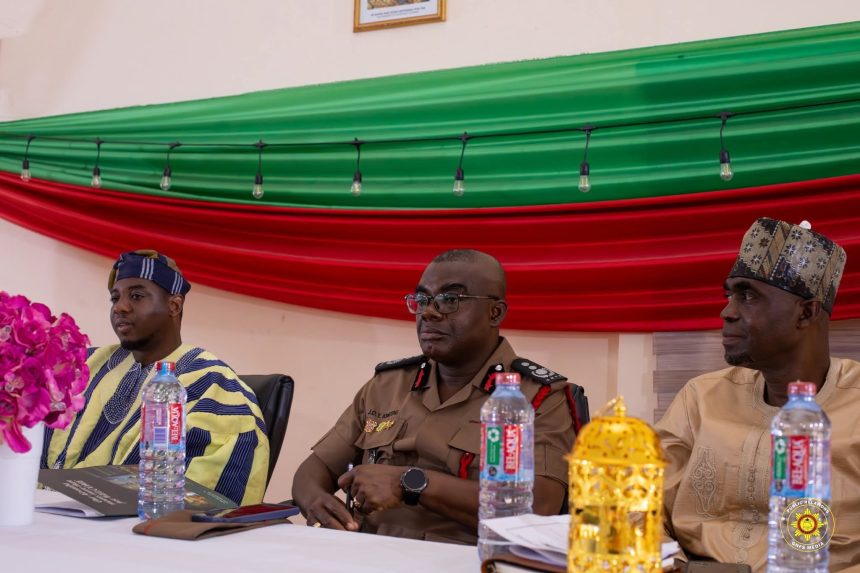
Mrs Ntow-Sarpong said the annual gathering was not only to break the fast but also an opportunity to strengthen unity, faith and service within the Fire Service family.
“As firefighters, our core mandate is to prevent and manage undesired fires, but as citizens we must also help protect society from social ills that threaten the future of our youth,” she said.
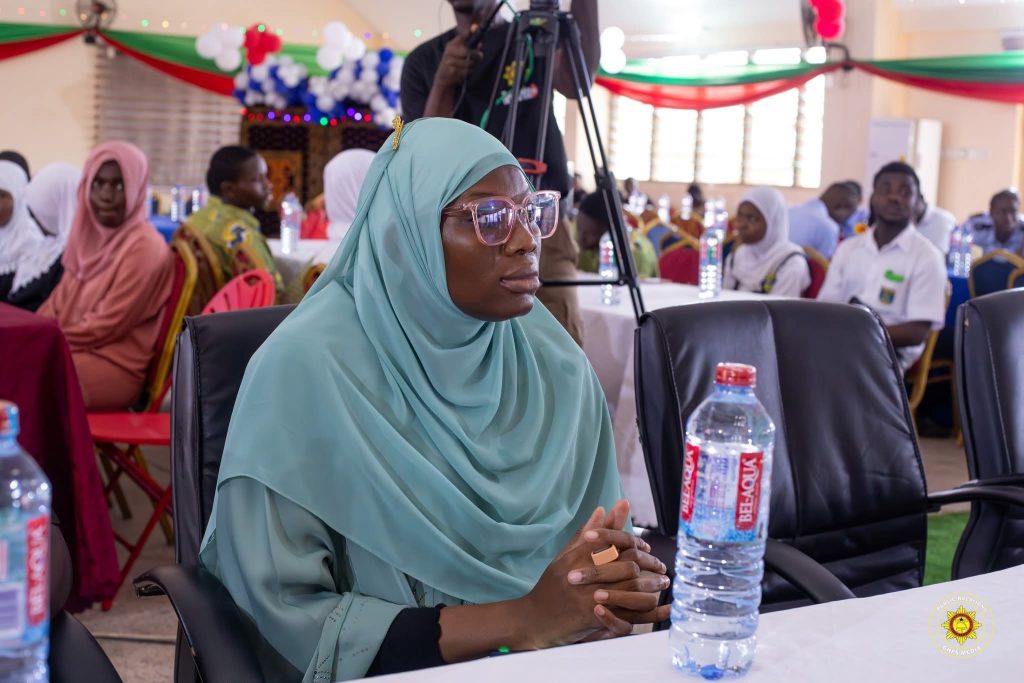
She noted that the presence of students at this year’s celebration made the event particularly meaningful, stressing that young people represented the next generation of leaders and professionals.
“These young ones will one day take over from us in active service, so it is important we guide them to make the right choices as teenagers,” she added.
The Chief Fire Officer also commended the Muslim community within the Service for its humanitarian initiatives, including plans to donate items to an orphanage in the Central Region, describing the gesture as a reflection of compassion and service to the vulnerable.
Mrs Ntow-Sarpong called on families, schools and community leaders to work together to discourage drug abuse and inspire young people to pursue purposeful lives.
“Our strength lies not only in the fires we extinguish but also in the hope we ignite in our communities,” she said.
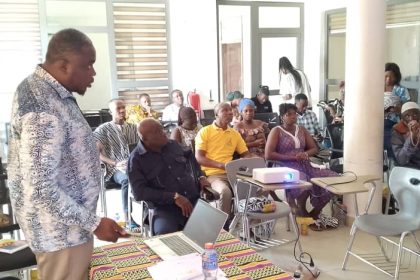
Dr Alhassan Arimiyaw Salifu, a medical doctor at the Korle-Bu Teaching Hospital, who was the guest speaker, warned that drug abuse posed a growing threat to the health, education and future of young people.
He explained that drug abuse occurred when chemical substances were used improperly, excessively, or in ways that caused harmful biological effects on the body.
Dr Salifu said substances commonly abused include alcohol, tobacco or cigarettes, marijuana, shisha mixtures and methamphetamine.
Some young people also inhale chemical substances such as industrial glues and solvents, which could severely damage the lungs and other organs, he said.
Dr Salifu said drug abuse could lead to serious health complications including liver and kidney diseases, heart problems, mental disorders, hallucinations, breathing difficulties and lung damage.
“In severe cases, it can lead to death,” he added.
Beyond health risks, he noted that drug abuse contributed to poor academic performance among students because it affected concentration and productivity.
Socially, it could lead to crime, robbery, prostitution and violence, which, he said, undermined national development and placed financial burdens on governments through rehabilitation and healthcare costs.
Dr Salifu, therefore, called for stricter laws and intensified public education to curb the menace.
Dr Khadija Iddris, Lecturer at the Islamic University College Ghana, during a panel discussion, urged the Muslim Community to look out for one another and support those struggling with addiction to access rehabilitation and treatment.
Alhaji Yahaya Issaku, the Director of Human Resource, Ghana Prisons Service, called for intensified education among the youth, warning that the country’s future could be threatened if urgent action was not taken to address drug abuse.