Stakeholders in Ghana’s national HIV and AIDS response are intensifying efforts to curb new HIV infections among young people by leveraging social media as a tool for education, engagement, and behaviour change.
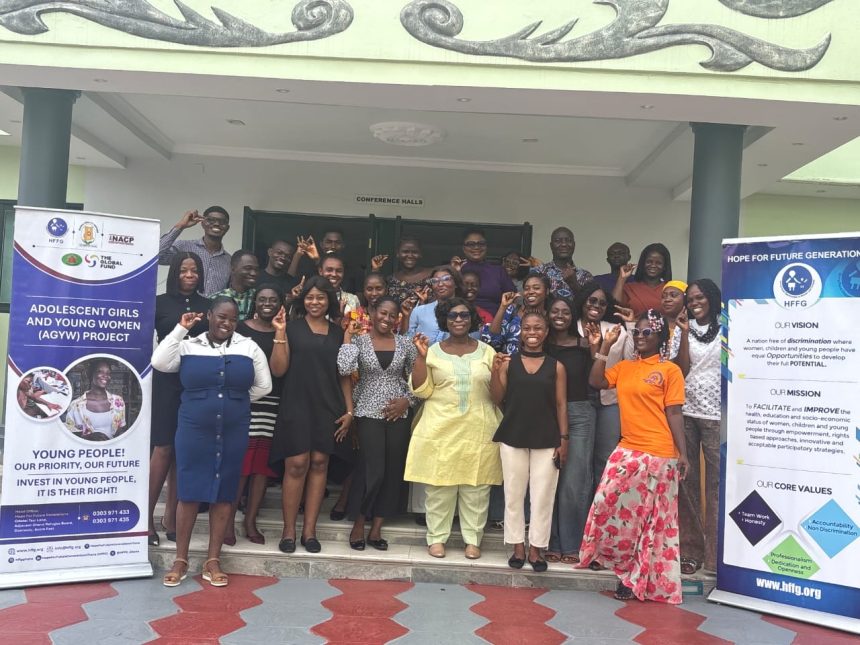
The initiative forms part of the Adolescent Girls and Young Women (AGYW) Project, led by Hope for Future Generations (HFFG), in collaboration with the National AIDS Control Programme (NACP).
The AGYW Project seeks to empower young people with knowledge and resources to make informed decisions about their sexual and reproductive health.
It targets adolescents and young women aged 15 to 24 years, a group identified as highly vulnerable due to increased sexual activity and exposure to risk factors.
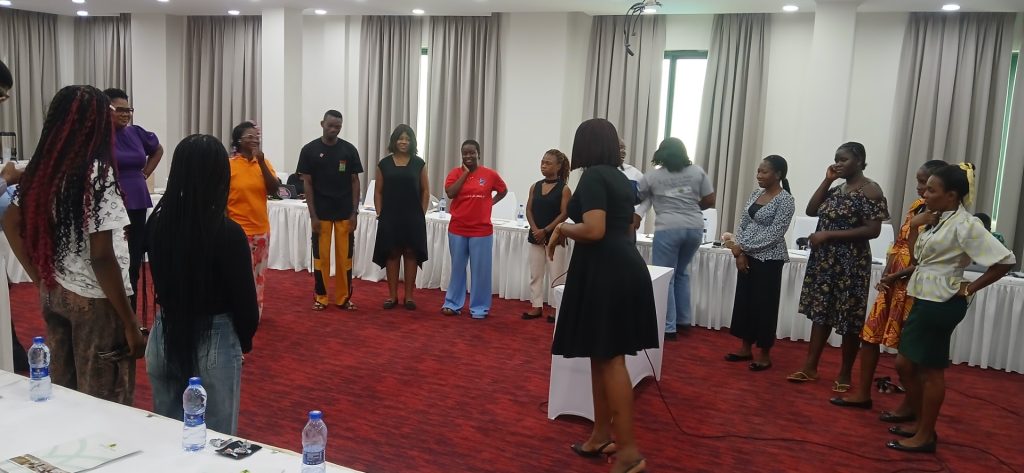
Speaking at a media training workshop in Accra, Ms Rita Lodonu, the Project Coordinator at HFFG, said the initiative was repositioning its approach to better connect with adolescents and young women through platforms they used daily.
“As part of the AGYW Project, our goal is to prevent new HIV infections, and we realised that we have not done much on the digital front. Hence, the engagement with social media influencers, content creators, and peer educators to help achieve the desired target,” she said.
Mrs Lodonu explained that the project, which started in 2024, had already developed a gender and human rights social media toolkit in 2025 and was now training influencers and project teams to effectively engage their peers online.
The campaign was leveraging WhatsApp, TikTok, Instagram, Facebook, and X to reach adolescents aged 15 to 24 years, particularly those in vulnerable communities, including coastal and migrant areas, she said.
“We are bringing influencers on board so they can use their platforms to share accurate information, respond to questions, and guide their peers,” she added.
Dr Anthony Addo, Programmes Officer, NACP, underscored the importance of meeting young people in digital spaces to achieve meaningful impact.
“The youth, especially adolescent girls and young women, are active on social media 24/7. If we want to reach them effectively, we must focus our attention on those platforms by educating and linking them to services when necessary,” he said.
Dr Addo stressed the importance of empowering young people with knowledge and involving them in content creation, which would help amplify HIV preventive messages and reduce new infections.
“Though Ghana’s HIV prevalence is relatively stable, this group remains critical because they are sexually active, and targeting them to achieve our national prevention goals is key,” he added.
Mr Stephen Naasei Boadi, a Digital Marketing and Communication Consultant, emphasised the need for a structured and goal-oriented campaign to ensure measurable results.
He cautioned against uncoordinated social media activities, noting that a lack of structure could undermine impact and make it difficult to assess outcomes.
“For a campaign like this, you need clear objectives while encouraging behavioural change, promoting regular testing, and ensuring people know their HIV status.
“We cannot stop people from having sex, but we can guide them to practise safe sex. That is why messaging around condom use, knowing your partner’s status, and adherence to treatment is critical,” Mr Boadi stated.
Mrs Cecilia Senoo, Executive Director of HFFG, described the training as a strategic investment in both the project and the future of participants.
She urged participants to take the initiative seriously and contribute actively to the campaign’s success, noting that the project had the potential to significantly reduce HIV infections among young people.
Mrs Senoo expressed the hope that the impact of the initiative would extend beyond its current timeline, strengthening national efforts to promote healthy behaviour and protect vulnerable populations.
GNA