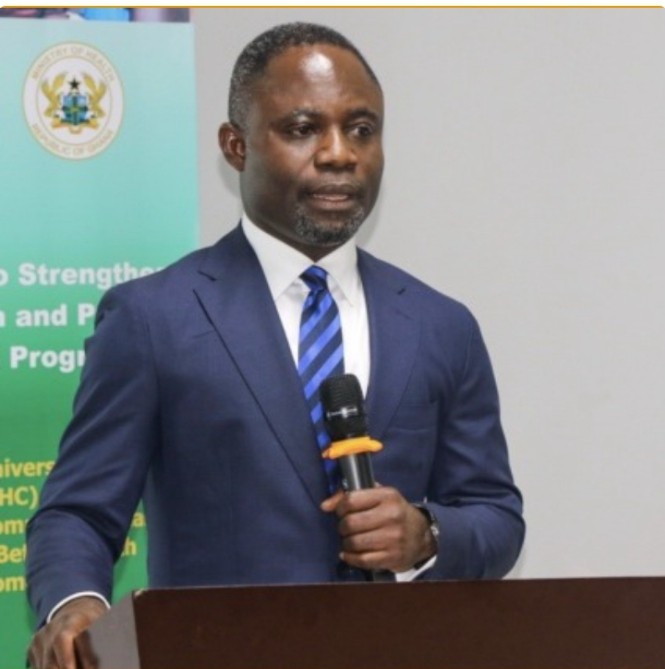
Mr Kwabena Mintah Akandoh, the Minister of Health, has reaffirmed the government’s commitment to ensuring that every Ghanaian has access to quality healthcare, regardless of location or income, through the Free Primary Healthcare (FPHC) policy.
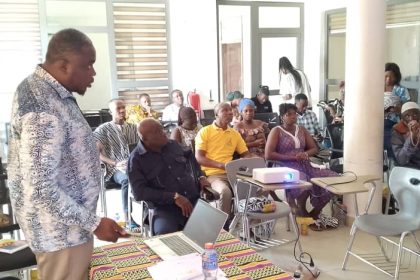
Speaking at the launch of the FPHC programme in Dambai of the Oti Region on May 9, 2026, Mr Akandoh said the initiative was aimed at removing both financial and geographical barriers that prevent many people from seeking timely medical attention.
He explained that the first phase of the programme targets 150 underserved districts across the country and would provide free preventive, diagnostic, and curative healthcare services at community-level facilities.
According to the Minister, beneficiaries would access the services free of charge upon presenting a valid National Health Insurance Authority (NHIA) card.
He noted that the healthcare package includes treatment for malaria and cholera, basic health screenings, maternal and child healthcare services and the management of non-communicable diseases such as hypertension and diabetes at CHPS compounds and health centres.
Mr Akandoh said the policy was intended to encourage early detection and treatment of illnesses, reduce complications, and prevent avoidable deaths.
He added that the initiative would help address the “no money syndrome,” where patients delay seeking healthcare because of financial difficulties, often resulting in severe health conditions.
Mr Akandoh also raised concerns about the increasing burden of non-communicable diseases such as diabetes, hypertension, stroke and malaria, attributing the trend partly to unhealthy diets, physical inactivity and late-night eating habits.
Touching on public concerns, the Minister dismissed claims that the tricycles and motorbikes being distributed were intended to serve as ambulances.
He explained that the logistics were meant to support health workers in reaching hard-to-access communities and delivering healthcare services to vulnerable populations.
The Director-General of the Ghana Health Service, Dr Samuel Kaba Akoriyea, called on chiefs, community leaders, assembly members and the public to support and take ownership of the policy to help curb typhoid and other health conditions in the region.
Recalling a recent visit to the Oti Region, he described the spread of typhoid and other water-related infections as a major concern and expressed confidence that the FPHC policy would strengthen healthcare delivery across the region.
The Minister called on health professionals, traditional authorities, religious leaders, and residents to collaborate to ensure the successful implementation and sustainability of the programme in the region.
The Oti Regional Minister, Mr John Kwadwo Gyapong, assured that the Regional Coordinating Council would fully support the implementation of the policy.
He urged health workers to continue serving with compassion, professionalism, and dedication.
Mr Gyapong also appealed to chiefs, opinion leaders, religious bodies and community members to champion preventive healthcare, healthy lifestyles and positive health-seeking behaviours.
Daasebre Attamafowiese Kwame Bonja II, Paramount Chief of the Chonke Traditional Area, commended the government for introducing the initiative and pledged the support of traditional authorities towards its successful implementation.
He described the Free Primary Healthcare policy as a timely intervention that would ease the financial burden on households, particularly in rural communities where poverty levels remain high.
Daasebre Bonja II assured the Minister and other officials that chiefs in the area would mobilise their people, disseminate accurate information and support health workers to ensure the smooth rollout of the programme at the community level.
GNA