The Network of Women with Disabilities, Africa (NEWDA), has intensified advocacy efforts for Ghana to ratify the African Disability Protocol (ADP), describing the move as critical to protecting the rights and dignity of women with disabilities.
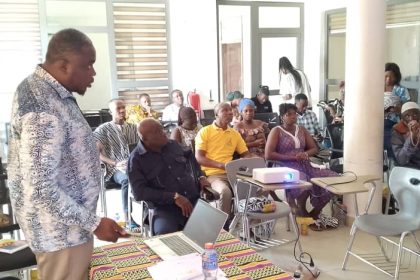
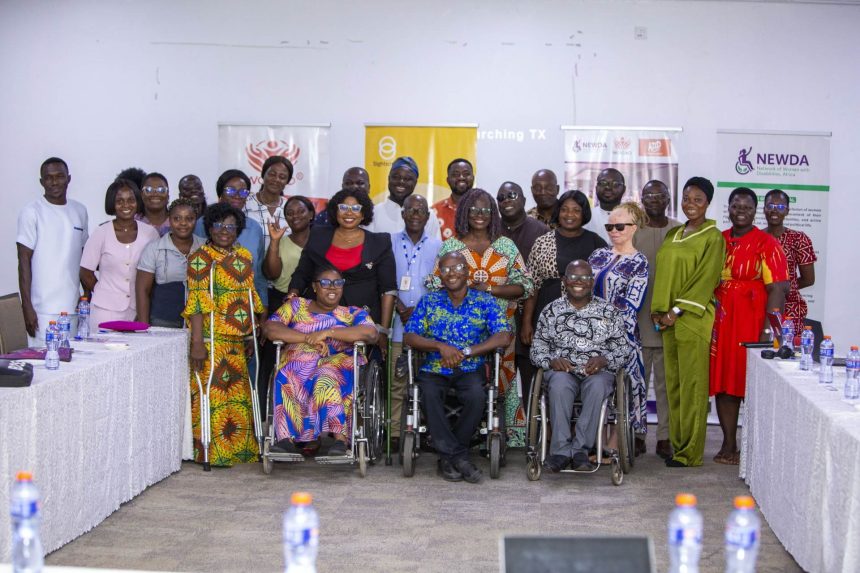
The advocacy was launched in Accra during an inception and stakeholder engagement workshop organised in collaboration with the Women with Disability Development and Advocacy Organisation (WODAO).
Explaining the concept of the project, Madam Veronica Denyo Kofiedu, Co-Convener of NEWDA, said the initiative aimed to strengthen coordination among stakeholders and advance Ghana’s commitment towards ratifying the protocol.
“The project seeks to bring together key stakeholders to strengthen coordination, enhance national advocacy, and advance Ghana’s commitment toward the ratification of the African Disability Protocol,” she stated.
She said the project would build collaboration among government institutions, civil society organisations, disability groups and media actors to ensure meaningful inclusion of women with disabilities in national policy discussions.
Madam Kofiedu called for sustained collaboration among stakeholders to ensure inclusion and equal opportunities for women with disabilities.
“Together, we are building a stronger movement for inclusive development,” she said.
Prof. Augustina Naami, a senior lecturer at the University of Ghana and Co-Convener of NEWDA, said the network was formed after three women with different disabilities identified the absence of a unified platform for women with disabilities in Ghana and Africa.
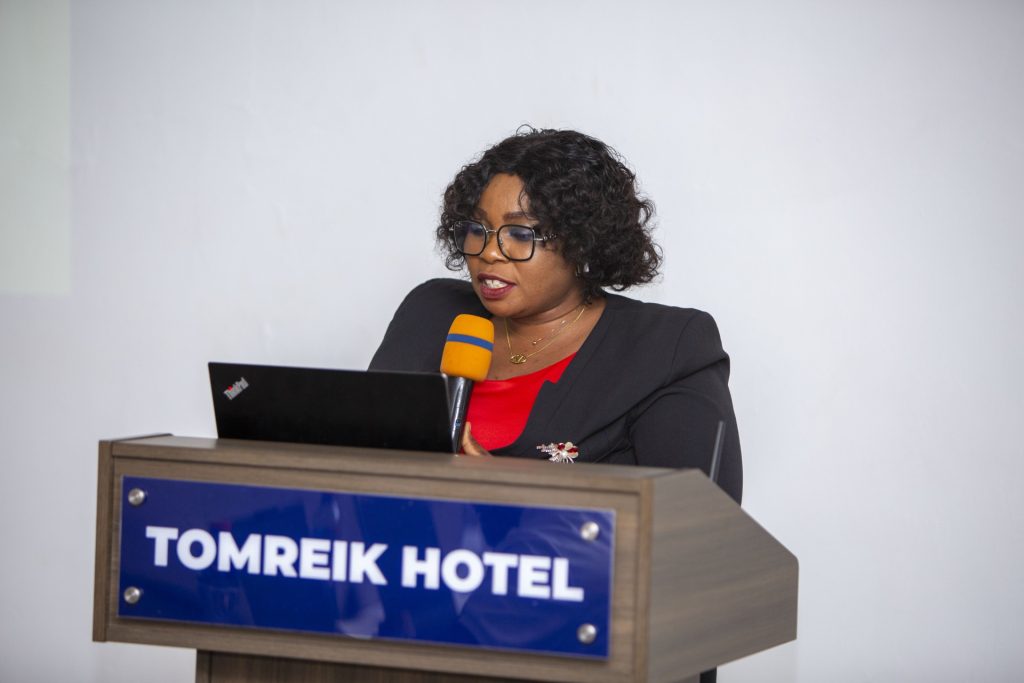
“NEWDA will create this platform to empower women with disabilities to collectively advocate for their human rights, amplify their voices, and promote inclusion, equality, and social justice,” she said.
Prof. Naami said women with disabilities faced multiple and intersecting forms of discrimination, which continued to limit their participation in education, employment, leadership and governance.
“Research indicates that compared with their male counterparts and women without disabilities, women with disabilities are less likely to have education, more likely to have higher unemployment rates, and more likely to work in the informal sector,” she said.
She added that women with disabilities were also more vulnerable to gender-based violence and abuse.
“Women with disabilities are approximately three times more likely to experience violence than women without disabilities,” she stated.
Prof. Naami noted that although Ghana ratified the Convention on the Rights of Persons with Disabilities (CRPD) in 2012 and passed the Persons with Disabilities Act, 2006 (Act 715), existing frameworks did not adequately address the unique challenges confronting women and girls with disabilities.
“The African Disability Protocol recognises the vulnerabilities of women with disabilities, but it has yet to be ratified by the Government of Ghana,” she added.
A representative from the Legal Department of the Ministry of Foreign Affairs said the ratification process had progressed to cabinet level and would soon move to Parliament for consideration.
“When Ghana signs on to a treaty or protocol, it must be incorporated into domestic law. The process begins with cabinet approval before it proceeds to Parliament for ratification,” the representative explained.
The official expressed optimism that the process would advance soon.
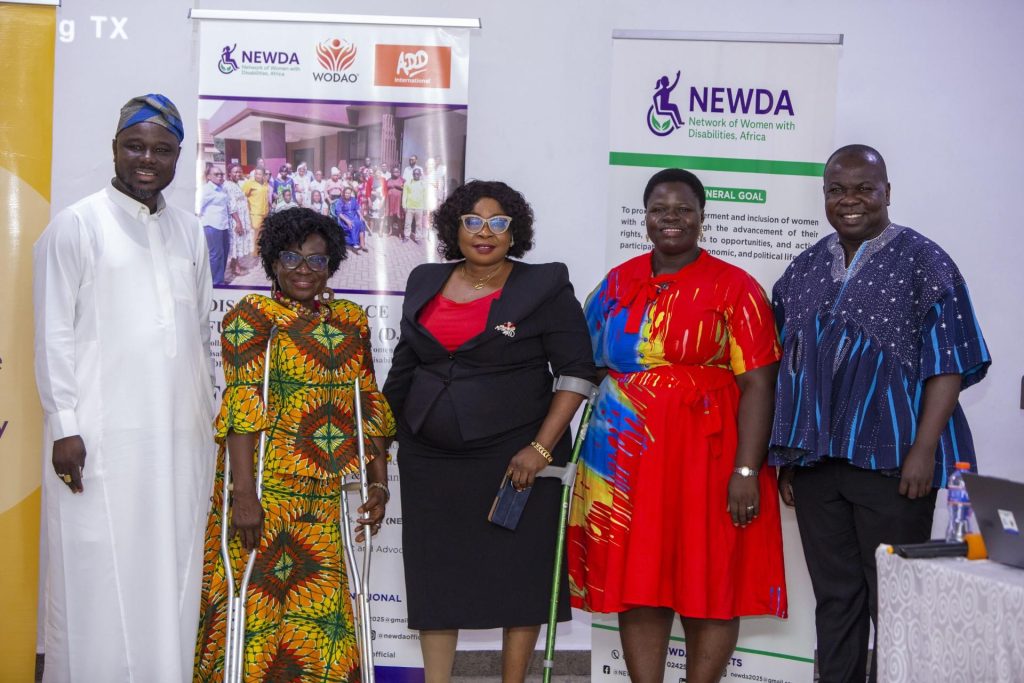
“Once the cabinet approval has been attained, the parliamentary memo will be transmitted to Parliament for the ratification process,” the representative stated.
The workshop also outlined a one-year national project by NEWDA aimed at strengthening the women with disabilities movement and increasing public awareness of the protocol through consultations, leadership training, media engagements and digital advocacy campaigns.
The project, scheduled to run from November 2025 to October 2026, seeks to engage Parliament, the Ministry of Gender, Children and Social Protection, CHRAJ, disability organisations and the media to build momentum for the protocol’s ratification.
GNA