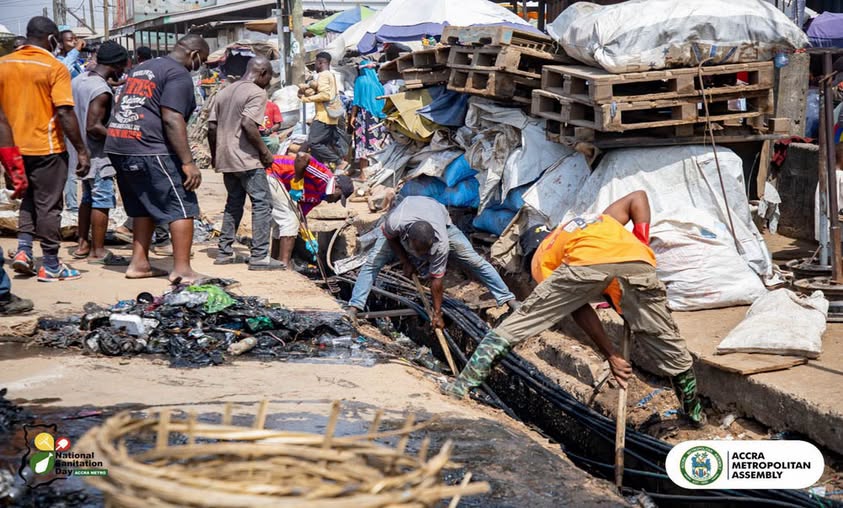
President John Dramani Mahama has, by Executive Directive, proclaimed Friday, July 10, and Saturday, July 11, 2026, as National General Cleaning Days across the seven regions severely impacted by the catastrophic flood events of June 29, 2026.
The disaster, which tragically resulted in the loss of approximately thirteen (13) lives and the destruction of over seven thousand (7,000) households, has necessitated an immediate and coordinated national response to mitigate public health risks and forestall future hydrological emergencies.
The two-day exercise is being conducted under the auspices of the Post-Flood Mitigation Committee. It shall be executed under the official theme: “Our Actions, Our Future: Cleaning Ghana After the Floods.”
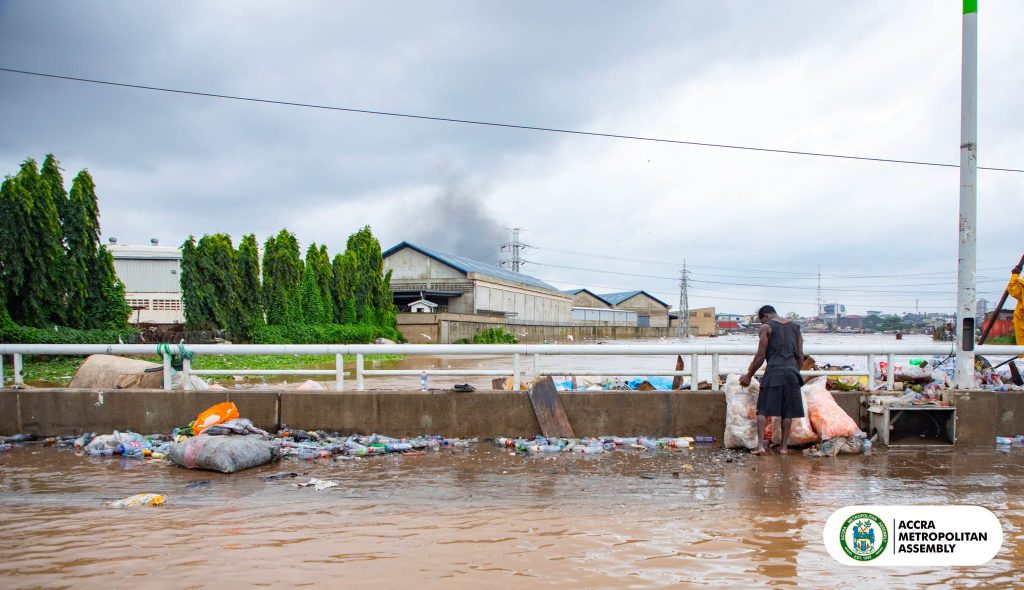
The initiative is designed to galvanise citizen participation in community sanitation, environmental restoration, and the systemic clearance of drainage infrastructure to safeguard lives and property.
In furtherance of this national effort, His Excellency the President has issued binding directives to all government appointees, including Ministers of State, Members of Parliament, Chief Executive Officers of state-owned enterprises, Metropolitan, Municipal and District Chief Executives (MMDCEs), and heads of all public institutions, to personally vacate their administrative posts and assume field leadership of cleanup operations within their respective jurisdictions.
This measure underscores the Administration’s commitment to visible, accountable, and participatory governance in times of national crisis.
The exercise shall proceed in two sequential phases to ensure operational efficiency and logistical coherence:
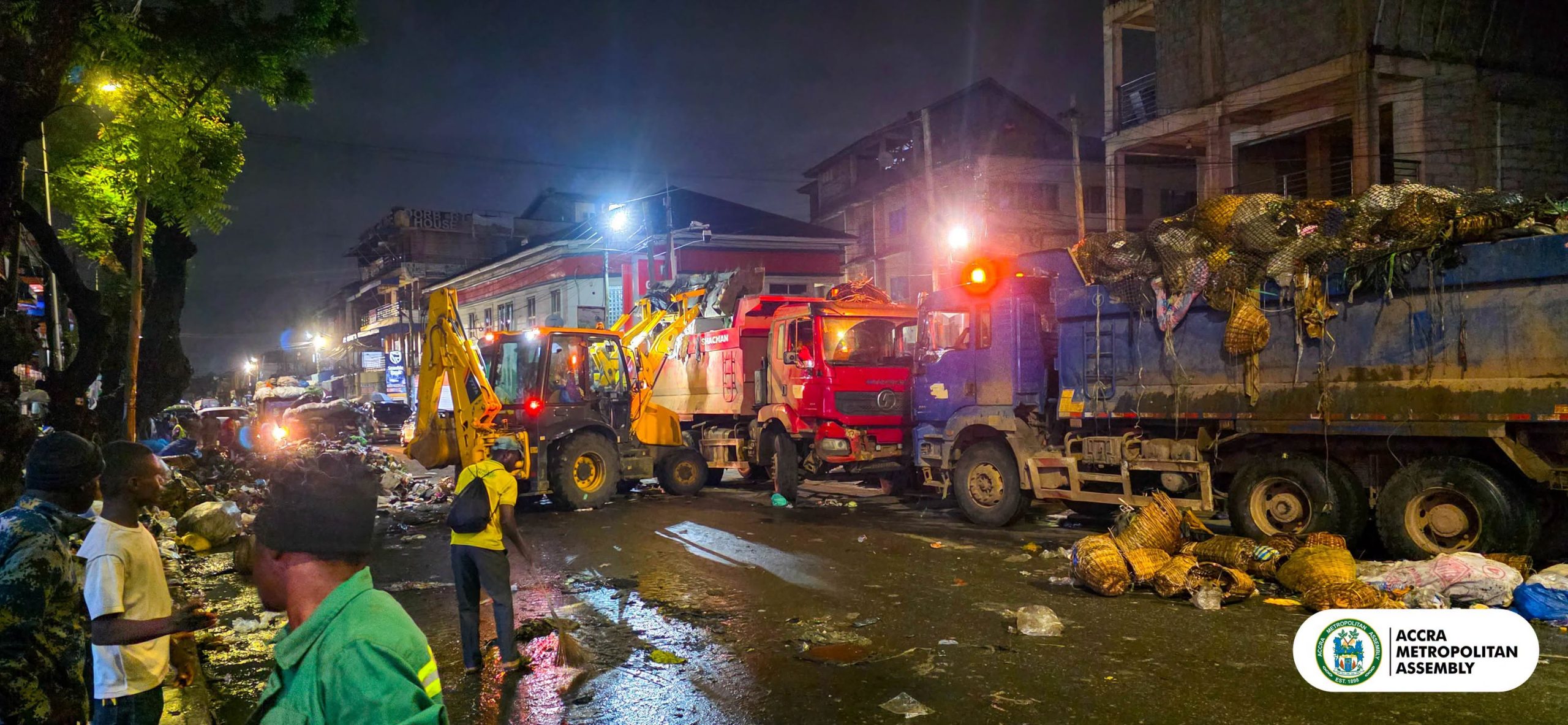
Phase One (Friday, July 10): Security services, Metropolitan, Municipal and District Assemblies (MMDAs), and accredited waste management contractors shall commence preliminary clearance operations.
Phase Two (Saturday, July 11): Members of the general public shall be formally invited to join the nationwide exercise, transforming the effort into a broad-based civic engagement.
Operational priorities shall encompass the desilting and dredging of obstructed drainage channels to restore hydraulic capacity ahead of the remaining rainy season, the removal of silt, vegetation overgrowth, and solid debris from major roadways and arterial highways, and the sanitisation of public conveniences, including markets, lorry terminals, recreational parks, and designated communal waste transfer points.
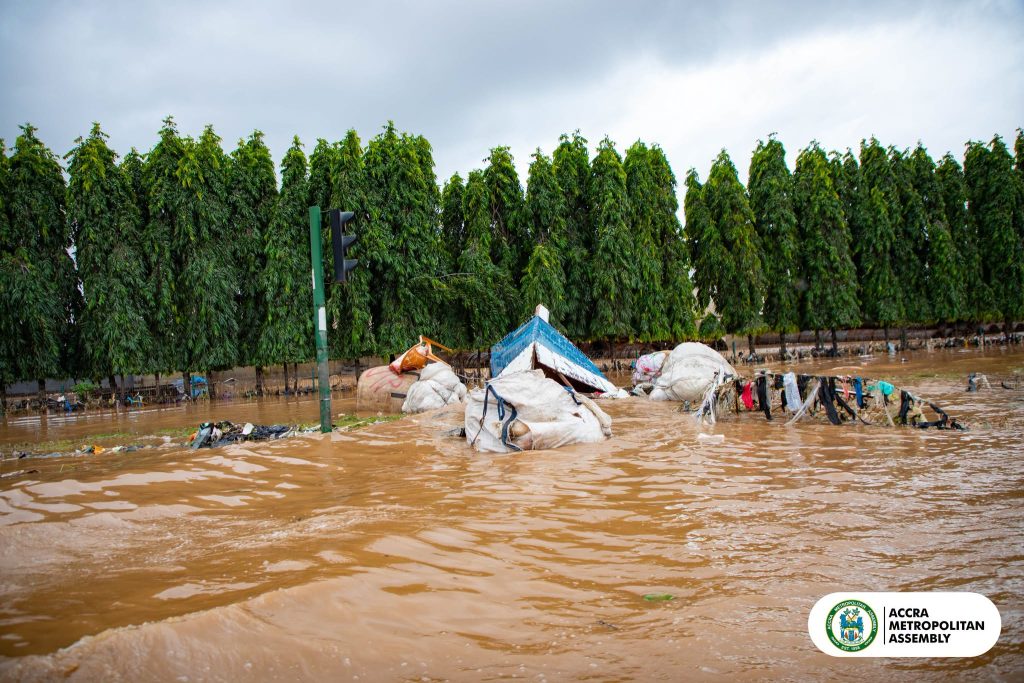
All MMDAs are hereby mandated to coordinate with licensed waste management service providers to procure and deploy adequate logistical resources, including heavy-duty waste collection vehicles, personal protective equipment (gloves), hand tools, and earth-moving equipment.
Furthermore, Assemblies are under strict instruction to ensure the immediate and final evacuation of all collected refuse and dredged silt to designated disposal sites, thereby eliminating the risk of re-contamination or backflow into cleared drainage systems during subsequent rainfall.
In a formal statement issued earlier today, Mr. Felix Kwakye Ofosu, Government Spokesperson, reiterated the Administration’s position that persistent indiscriminate waste disposal and plastic pollution have substantially compromised the nation’s drainage infrastructure, directly contributing to recurrent and preventable flood disasters.
“For far too long, indiscriminate littering and plastic pollution have clogged our drainage systems, contributing to devastating, preventable floods that destroy livelihoods and claim precious Ghanaian lives,” the statement read.
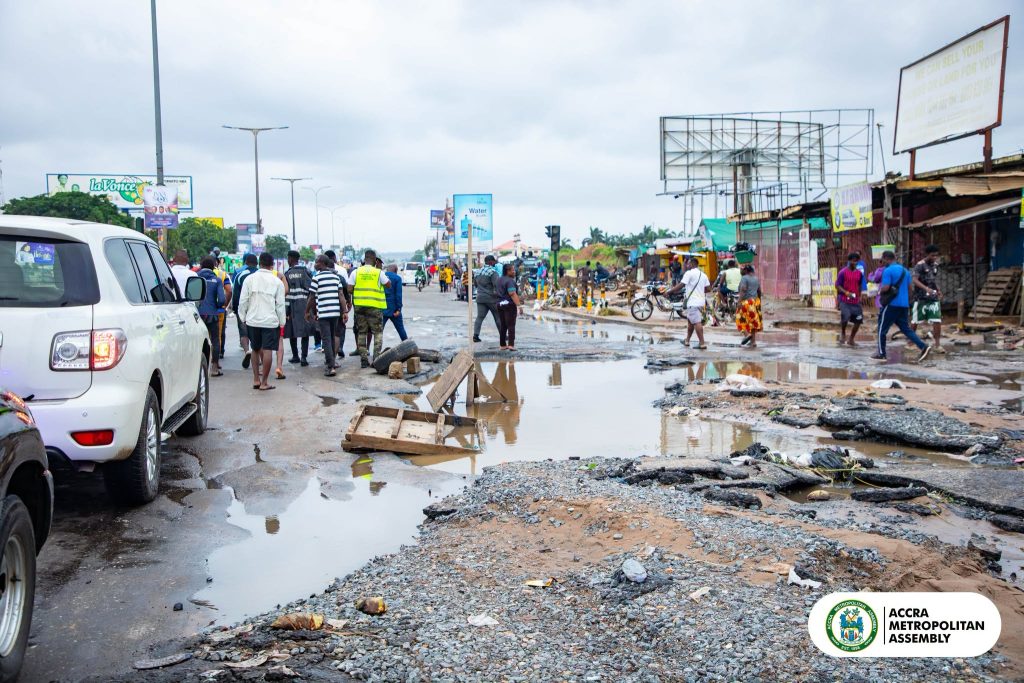
The Government consequently calls upon all citizens, corporate entities, and civil society organisations to demonstrate robust community solidarity by actively participating in the exercise.
It emphasises that a cleaner environment constitutes a fundamental precondition for public safety and long-term national resilience against climate-induced emergencies.