The Regional Advisory Information and Network Systems (RAINS), an NGO, has called for increased climate change education among schoolchildren to equip them with the knowledge and skills to promote environmental sustainability in their communities.
It said educating children on climate change and sustainable environmental practices would help shape responsible attitudes towards natural resource management and encourage households to adopt climate-friendly practices.
Mr Hardi Tijani, Executive Director of RAINS, made the call in a speech read on his behalf at the second edition of the RAINS Schools’ Climate Change Festival at Savelugu in the Northern Region.
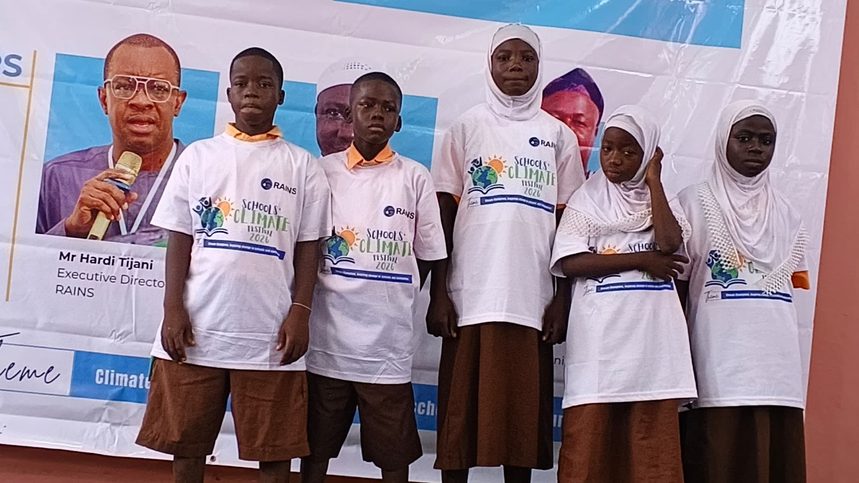
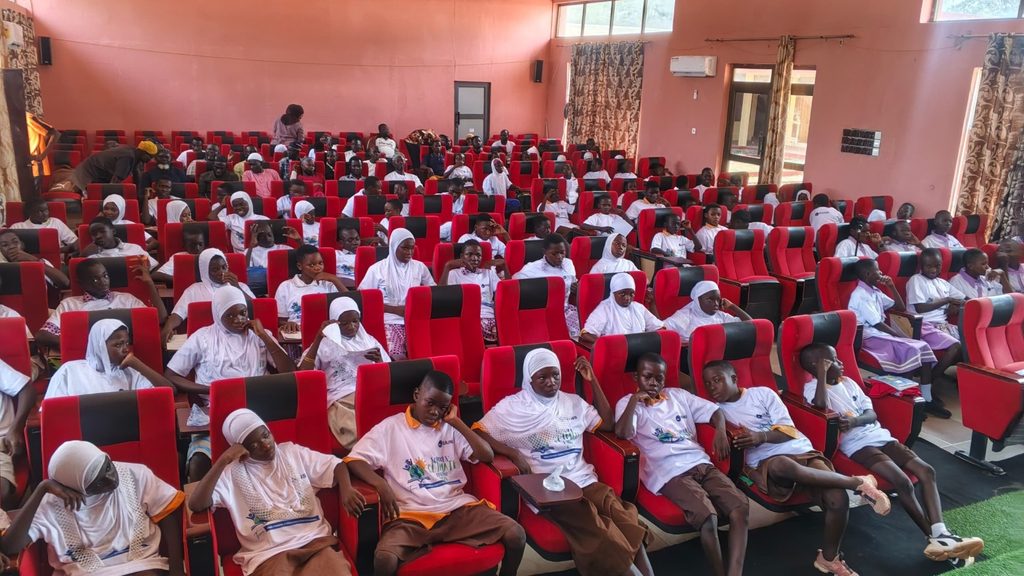
The festival, held under the theme: “Climate Champions: Inspiring Change in Our Schools and Communities”, brought together students, teachers, education officials, agricultural officers and other stakeholders to promote climate awareness and practical environmental action in schools and communities.
Nine schools participated in the festival including Bunglun Basic School, Libga Basic School, Yong Basic School, Nyoglo Basic School, Yemo Basic School, Ying Basic School, Savelugu Girls Model School, Pong Tamale Experimental Basic School and Malja Al-Ansuare Basic School.
The event featured debates, drama, role plays and exhibitions of innovative climate ideas by students providing them with a platform to demonstrate their understanding of climate change and propose practical solutions to environmental challenges.
Mr Tijani said climate change was no longer a distant threat as its effects were evident in irregular rainfall patterns, prolonged dry seasons, rising temperatures and land degradation.
He said the effects had serious implications for agriculture, food security and livelihoods particularly in northern Ghana.
He said young people should not be seen merely as victims of climate change but also as important agents of change capable of influencing environmental practices in their schools, homes and communities.
He reaffirmed RAINS’ commitment to promoting climate education and creating opportunities for students to develop the knowledge, confidence, and skills needed to respond to climate-related challenges.
Mr Tijani encouraged the students to translate their knowledge into practical action by planting and nurturing trees, maintaining school gardens, reducing waste, keeping their surroundings clean, and sharing climate information with their families.
He also called for stronger collaboration among the Ghana Education Service, the Department of Agriculture, school authorities, teachers, development partners and other stakeholders to ensure that climate education translated into practical environmental action.
Alhaji Baba Musah, Savelugu Municipal Director of Agriculture commended RAINS for introducing climate education at the basic school level saying the initiative would help children understand the effects of climate change and the importance of sustainable agricultural production from an early age.
Mr Musah said sustainable agricultural production required proper land management, the responsible use of agrochemicals and fertilisers, the cultivation of cover crops and soil-nourishment practices to maintain soil fertility and minimise environmental degradation.
He said communities, particularly households that depended on charcoal production and other activities during the agricultural off-season needed to adopt environmentally responsible practices to reduce pressure on natural resources.
He encouraged charcoal producers to embrace sustainable production methods and plant more trees to support domestic and economic activities while protecting the environment.
Mr Abdulai Baba, a Teacher from Nyoglo Basic School, said the festival had encouraged students to participate actively in environmental activities particularly tree planting and school gardening.
He said practical activities helped students understand environmental issues better because they learnt by doing adding the approach also encouraged pupils, who were less active during classroom lessons, to participate in school-based environmental initiatives.
GNA