
The Keta Municipal Health Directorate in the Volta Region, has joined the global community to mark World Malaria Day 2026, with a renewed call for residents to intensify prevention efforts as cases remain a major public health concern in the Municipality.
The event focused on education, early detection, and community action was to reduce the malaria burden among residents in the various communities through collaborative efforts.
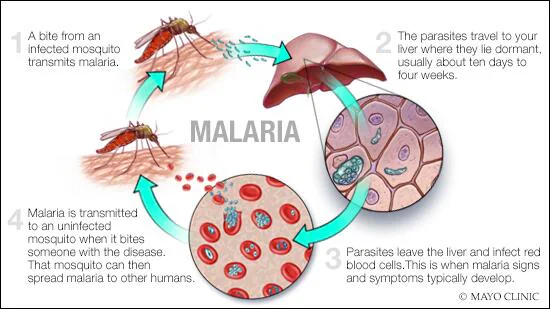
Madam Margaret Dovlo, a Public Health Nurse at the Keta Municipal Health Directorate, in an interview with the Ghana News Agency, explained that malaria is caused by plasmodium parasites transmitted to humans through the bites of infected female anopheles’ mosquitoes.
She said the disease thrives in areas with stagnant water, poor drainage, and overgrown vegetation, a condition which was common in several parts of the Keta and Anloga districts.
“Symptoms of malaria include high fever, chills, headaches, vomiting, and body weakness and in severe cases, especially among children, it leads to anemia, cerebral malaria, and death,” she said.
She warned that malaria remained a deadly disease if not detected and treated early and added that frequent malaria infections among adults reduce productivity and place financial strain on families due to hospital bills and lost work hours.
According to her, children under five years and pregnant women were the most at risk of severe malaria and its complications, while that pregnant women risk miscarriage, stillbirth, and low birth weight babies when infected, with children under five account for the majority of malaria deaths recorded in health facilities.
“People with compromised immunity, including the elderly and those living with HIV, are also highly vulnerable.”
She stressed that to prevent or curb mosquito spread and malaria several proven methods such as the use of insecticide-treated nets (ITNs) every night should be the most effective personal protection.
Other key measures she mentioned included indoor residual spraying, clearing choked gutters and stagnant water around homes, proper disposal of empty cans and tires, and wearing long-sleeved clothing in the evenings.
Madam Dovlo also highlighted the role of the new malaria vaccines being piloted in parts of country and appealed that all eligible children to complete their doses when the programme was rolled out in Keta.
She urged households to cooperate with health teams during net distribution and spraying exercises, emphasising that malaria prevention was a shared responsibility.
Madam Dovlo said the 2026 annual, “World Malaria Day,” observed globally on 25 April, was marked under the theme, “Driven to End Malaria: Now We Can. Now We Must,” which called for collective action from governments, partners, and communities to reinvest in proven tools and recommit to ending malaria despite competing health priorities.
She explained that the theme reflected the progress made globally, including the prevention of 2.2 billion cases and 12.7 million deaths over two decades, and stated that Keta Health Directorate would re-energise community education and testing campaigns to ensure no case goes undetected or untreated.
Madam Dovlo advised the public that not all fevers were malaria, and individuals should be tested for malaria before treatment, adding that, “all must visit the nearest health facility or CHPS compound when you feel unwell.” Self-medication with anti-malaria can be dangerous and build drug resistance,” Madam Dovlo said.
The Public Health Nurse appealed to assembly members, religious leaders, stakeholders, and schools to help spread malaria prevention messages and charged landlords and homeowners to ensure their surroundings were cleaned and free of mosquito breeding sites, especially as the rainy season approaches.
Other available information GNA gathered revealed that the Keta had recorded about 4,827 confirmed cases of malaria in 2025, which marked a slight increase from 4,612 cases in 2024.
Of the 2025 figure, 38 per cent of malaria victims were children under five while 14 per cent were pregnant women with no death recorded.